

What is Salt Material Handling? And What Are Its Design Principles?
Understanding the processes and principles behind salt material handling is crucial for industries that rely on efficient and reliable transportation of this essential commodity. Salt, whether in its raw form or processed state, requires specialized equipment and engineering solutions to ensure safe and effective movement. This article delves into the core concepts of salt material handling, exploring the fundamental design principles that underpin the systems used to transport and manage salt efficiently.
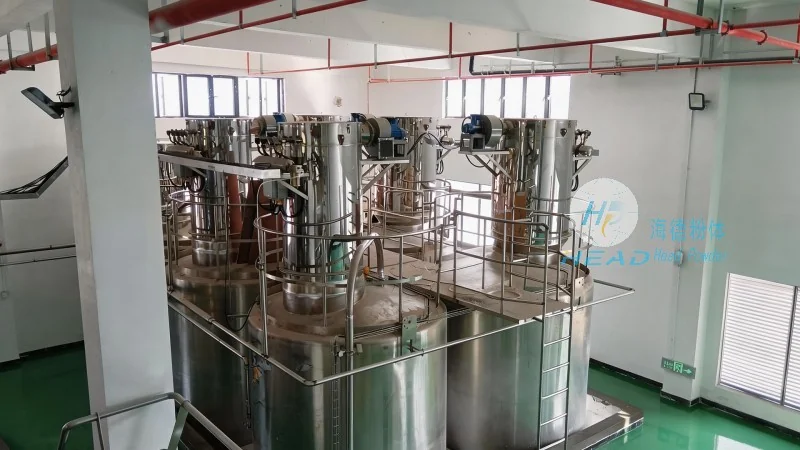
Introduction to Salt Material Handling
Salt material handling refers to the methods and technologies used to move, store, and process salt from its source to its final destination. This can include raw salt extracted from mines or evaporation ponds, as well as processed salt used in food, industrial, or de-icing applications. The goal of salt material handling is to optimize the flow of material while minimizing downtime, energy consumption, and operational costs. Companies like Shandong HeadPowder Engineering Co., Ltd., a leading provider in the field, specialize in designing and implementing tailored solutions for salt handling operations.
Key Design Principles for Salt Material Handling Systems
The design of salt material handling systems is guided by several critical principles that ensure efficiency and reliability. These principles are tailored to the unique properties of salt, such as its granular nature, density, and potential for bridging or caking. A key principle is the selection of appropriate equipment based on the specific characteristics of the salt being handled. For example, spiral conveyors or bucket elevators are commonly used for vertical and horizontal transport due to their ability to handle bulk materials like salt without the need for complex mechanisms.
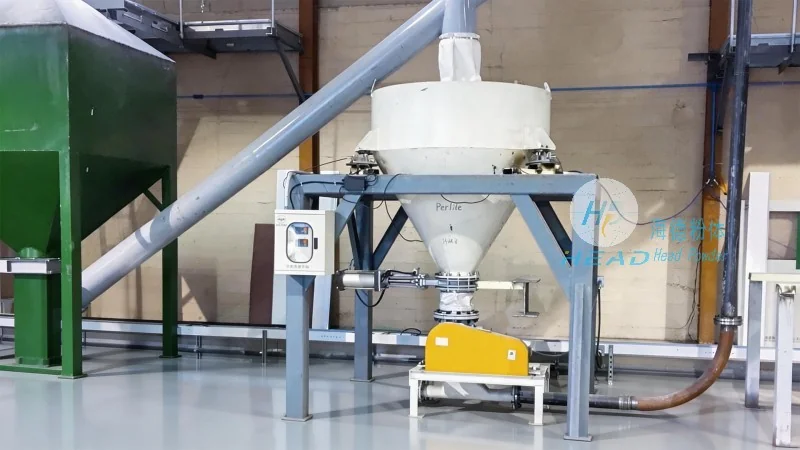
Another critical design principle is the consideration of material flow and pressure. Salt, being a granular material, can create pressure variations within the system, which must be managed to prevent blockages or equipment damage. Properly designed hoppers, chutes, and transition sections are essential to maintain consistent flow and reduce the risk of material buildup. Additionally, the system must account for the environmental conditions, such as temperature and humidity, which can affect salt's properties and the performance of the handling equipment.
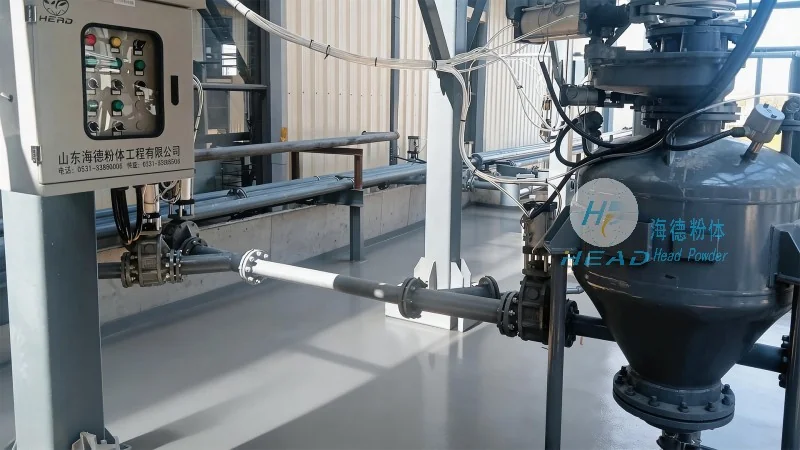
Equipment Selection and Installation Considerations
When designing a salt material handling system, the choice of equipment is paramount. Shandong HeadPowder Engineering Co., Ltd. emphasizes the importance of matching the equipment to the specific application. For instance, screw conveyors are ideal for horizontal or slight incline transport, as they can handle a wide range of particle sizes and maintain a consistent flow. On the other hand, bucket elevators are better suited for vertical lifting, providing high capacity and efficient vertical transport. The installation of these systems requires careful planning to ensure proper alignment, support, and integration with existing infrastructure.
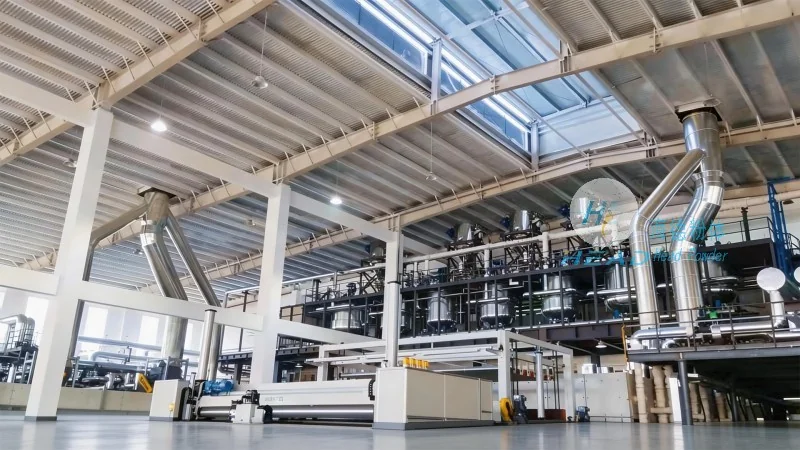
Furthermore, the design must consider maintenance and operational flexibility. Systems should be designed with easy access points for maintenance, allowing for quick repairs and minimal downtime. The use of durable materials, such as stainless steel or corrosion-resistant alloys, is also crucial to withstand the chemical properties of salt and prevent equipment degradation over time. HeadPowder, as a company, focuses on creating customized solutions that address the unique challenges of each salt handling project, ensuring long-term reliability and performance.
Conclusion: The Importance of Professional Design in Salt Material Handling
In conclusion, salt material handling is a specialized field that requires a deep understanding of both the material properties and engineering principles. The design of effective salt handling systems involves careful consideration of equipment selection, material flow, environmental factors, and maintenance requirements. Companies like Shandong HeadPowder Engineering Co., Ltd. play a vital role in providing expert solutions that meet the specific needs of industries relying on salt. By adhering to sound design principles and leveraging specialized equipment, salt material handling operations can achieve high efficiency, reliability, and cost-effectiveness, ensuring the smooth flow of this essential commodity from source to end-use.