

What is Pigment Material Handling? What are the Design Principles?
Understanding pigment material handling is crucial for industries that rely on the efficient transport and processing of pigments. This process involves the movement of pigments from storage to processing equipment, ensuring consistent quality and safety throughout the workflow. The design principles behind these systems are tailored to address the unique characteristics of pigments, such as their fine particle size, potential for dust generation, and varying flow properties.
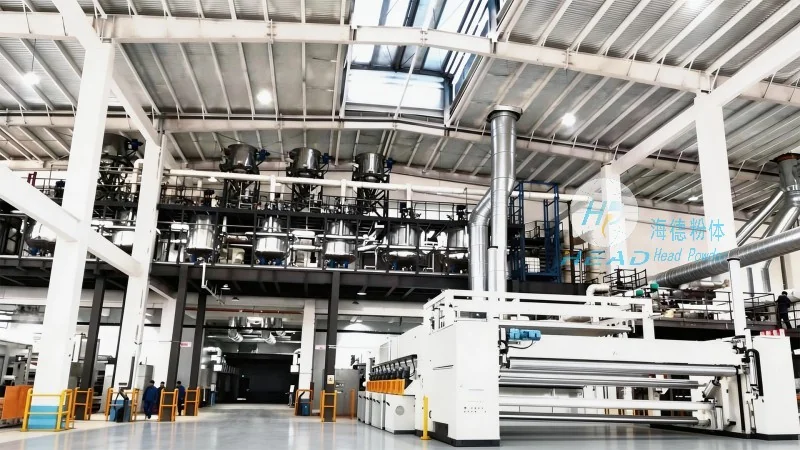
Pigment Material Handling: Core Concepts and Applications
Pigment material handling refers to the methods and equipment used to transport, store, and manage pigments in industrial settings. These materials are essential in various sectors, including coatings, inks, plastics, and cosmetics, where pigments are used to impart color and other functional properties. The handling process must account for the physical and chemical properties of pigments, which can range from powders to granules and even pastes. Proper handling ensures that pigments remain free-flowing, prevents agglomeration or caking, and maintains their color stability and performance characteristics.
Design Principles for Efficient Pigment Material Handling Systems
The design of pigment material handling systems is guided by several key principles aimed at optimizing performance, safety, and cost-effectiveness. First, the system must ensure minimal dust generation and containment to comply with occupational health and environmental regulations. This often involves the use of enclosed conveying equipment, such as pneumatic or mechanical conveyors, to control dust and prevent airborne contamination. Second, the design must accommodate the varying flow properties of different pigments. Some pigments may be cohesive or have poor flowability, requiring specialized equipment like vibratory feeders or aerated bins to ensure smooth and consistent material flow. Third, the system should prioritize energy efficiency and operational reliability. This includes selecting appropriate motor sizes, using durable materials for components exposed to pigments, and implementing controls that minimize downtime and maintenance requirements.
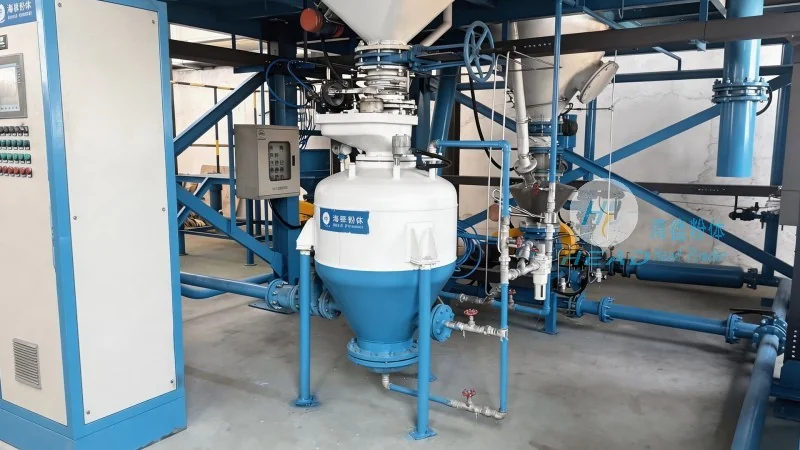
Key Components and Equipment in Pigment Material Handling
Effective pigment material handling relies on a combination of specialized equipment and engineering solutions. Common components include storage silos or hoppers, which are designed to hold large quantities of pigment while maintaining proper flow characteristics. Feeders, such as rotary valves or screw feeders, regulate the flow of pigment from storage to processing equipment, ensuring a consistent feed rate. Conveying systems, including pneumatic or mechanical conveyors, transport the pigment from one location to another within the facility. Additionally, dust collection systems are integral to controlling airborne particles and maintaining a safe working environment. These systems typically include filters and cyclones to capture and remove dust from the air before it is released into the environment.
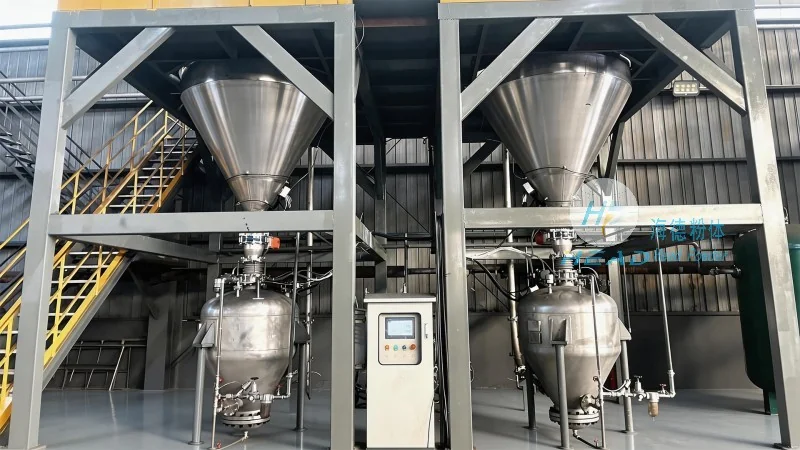
Ensuring Quality and Consistency in Pigment Handling
Quality control is a critical aspect of pigment material handling, as variations in pigment flow or contamination can significantly impact the final product. The design of handling systems incorporates features to maintain pigment integrity, such as temperature control in storage areas to prevent moisture absorption or degradation, and the use of non-reactive materials for equipment to avoid chemical interactions with the pigments. Monitoring systems, including level indicators and flow meters, provide real-time data on the status of the material, allowing operators to adjust the system as needed to maintain consistent performance. Regular maintenance and cleaning of equipment are also essential to prevent contamination and ensure the longevity of the handling system.
Case Study: Shandong HeadPowder Engineering Co., Ltd. and Their Expertise
Shandong HeadPowder Engineering Co., Ltd., commonly known as headpowder, is a leading provider of specialized equipment and solutions for pigment material handling. With operations based in Shandong, China, the company has extensive experience in designing and manufacturing systems tailored to the unique needs of pigment processing industries. Headpowder’s expertise lies in understanding the physical properties of different pigments and translating that knowledge into effective handling solutions. Their products include a range of conveying equipment, storage systems, and dust control solutions that are engineered to meet the demands of modern pigment processing facilities. By focusing on quality, reliability, and customer-specific requirements, headpowder has established itself as a trusted partner in the industry, helping clients optimize their pigment handling processes and improve overall operational efficiency.