

What is Fiber Material Handling? What Are the Design Principles?
Understanding fiber material handling is crucial for industries that rely on the efficient movement and processing of fibrous materials. Fiber material handling refers to the systems and processes used to transport, store, and manage materials such as wood chips, paper pulp, textile fibers, and other fibrous substances. These materials are often lightweight, irregularly shaped, and require specialized equipment to handle effectively. The design of fiber material handling systems is critical to ensure optimal performance, minimize downtime, and enhance overall operational efficiency.
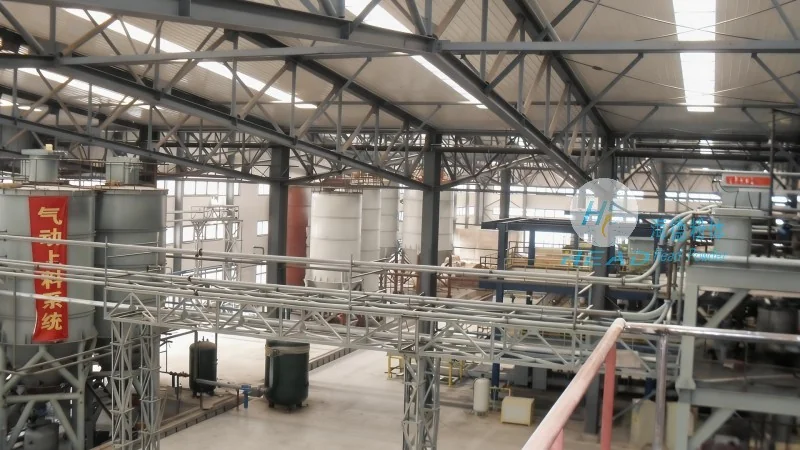
At Shandong HeadPowder Engineering Co., Ltd., we specialize in providing comprehensive solutions for fiber material handling, leveraging our expertise in engineering and material science to design systems tailored to specific industrial needs. Our approach to fiber material handling design emphasizes the integration of advanced technology with practical application, ensuring that each system is both effective and cost-efficient.
The Core Components of Fiber Material Handling Systems
Fiber material handling systems typically consist of several key components that work in tandem to achieve efficient material movement. The primary components include feeders, conveyors, storage silos, and processing equipment. Each component plays a vital role in the overall operation of the system.
Feeders are responsible for uniformly distributing the fibrous material into the conveyor system. They can be designed as belt feeders, screw feeders, or rotary feeders, depending on the material characteristics and processing requirements. The feeder's design must ensure consistent material flow, preventing blockages and maintaining uniform feed rates.
Conveyors are the backbone of fiber material handling systems, responsible for transporting the material from one location to another. Common types of conveyors used in fiber handling include belt conveyors, screw conveyors, and pneumatic conveyors. Belt conveyors are widely used for horizontal and slight incline applications, while screw conveyors are ideal for vertical or inclined transport. Pneumatic conveyors, or air slides, are particularly effective for handling fine or dusty fibrous materials, as they use air pressure to move the material through a pipeline.
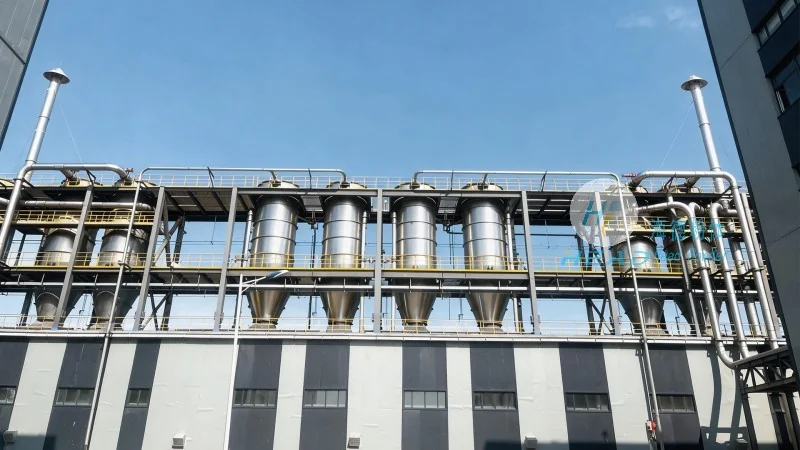
Storage silos are used to store large quantities of fibrous material before processing. These silos are typically made of metal or concrete and are designed to maintain the material's quality and prevent degradation. The design of the silo, including its shape and internal lining, is critical to prevent material buildup and ensure easy discharge.
Design Principles for Optimal Fiber Material Handling
The design of fiber material handling systems follows several key principles to ensure efficiency and reliability. These principles include material flow optimization, equipment durability, and energy efficiency.
Material flow optimization is a fundamental principle in fiber material handling design. It involves analyzing the material's properties, such as density, moisture content, and particle size, to determine the most effective handling method. By understanding these properties, engineers can design systems that minimize material degradation and maximize throughput. For example, in paper pulp handling, the moisture content of the pulp is carefully controlled to prevent clogging in the conveyor system.
Equipment durability is another critical design principle. Fiber material handling systems often operate in harsh environments, with exposure to moisture, dust, and abrasive materials. Therefore, the equipment must be constructed from durable materials, such as stainless steel or high-grade alloys, to withstand the wear and tear of continuous operation. Regular maintenance and inspection are also essential to ensure the longevity of the system.
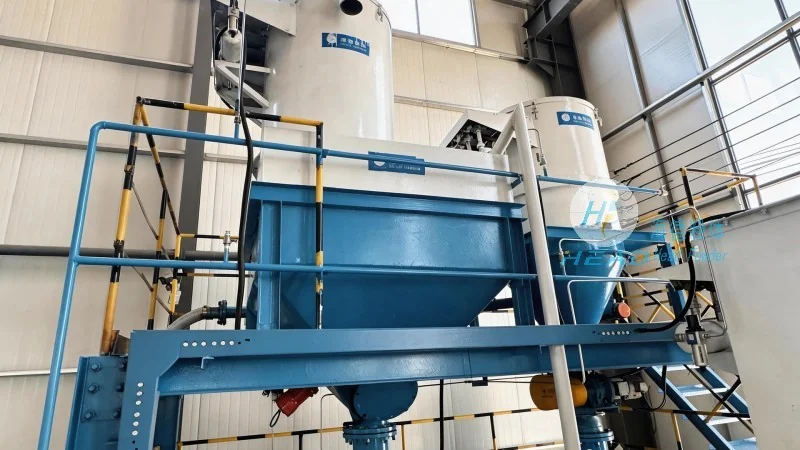
Energy efficiency is a growing concern in modern industrial design, and fiber material handling systems are no exception. Engineers strive to design systems that minimize energy consumption while maintaining high performance. This can be achieved through the use of efficient motors, variable speed drives, and optimized conveyor systems. For instance, variable speed drives allow the conveyor speed to be adjusted based on the material load, reducing energy waste during low-demand periods.
Applications and Industries Served by Fiber Material Handling Systems
Fiber material handling systems are widely used in various industries, including the pulp and paper industry, the textile industry, and the wood processing industry. In the pulp and paper industry, these systems are used to transport wood chips from the storage area to the pulping machines. In the textile industry, they are used to handle raw fibers and transport them to spinning machines. In the wood processing industry, they are used to move sawdust and wood chips from the sawmill to the storage silos.
Each industry has specific requirements for fiber material handling, and our company, Shandong HeadPowder Engineering Co., Ltd., provides customized solutions to meet these needs. Our team of engineers works closely with clients to understand their specific challenges and design systems that address their unique requirements.
Conclusion: The Importance of Proper Fiber Material Handling Design
Proper fiber material handling design is essential for industries that rely on the efficient processing of fibrous materials. By understanding the key components and design principles, companies can improve their operational efficiency, reduce costs, and enhance product quality. At Shandong HeadPowder Engineering Co., Ltd., we are committed to providing high-quality fiber material handling solutions that meet the needs of our clients and help them achieve their business goals.