

What is a Magnesium Silicate Powder Conveying System Equipment? And What Are Its Design Principles?
Understanding the Magnesium Silicate Powder Conveying System Equipment and Its Design Principles is crucial for industries dealing with fine powders. This article provides an in-depth look at the system's functionality, key components, and the engineering principles behind its design, presented by Shandong HeadPowder Engineering Co., Ltd., a leading manufacturer based in China.
Introduction to Magnesium Silicate Powder Conveying Systems
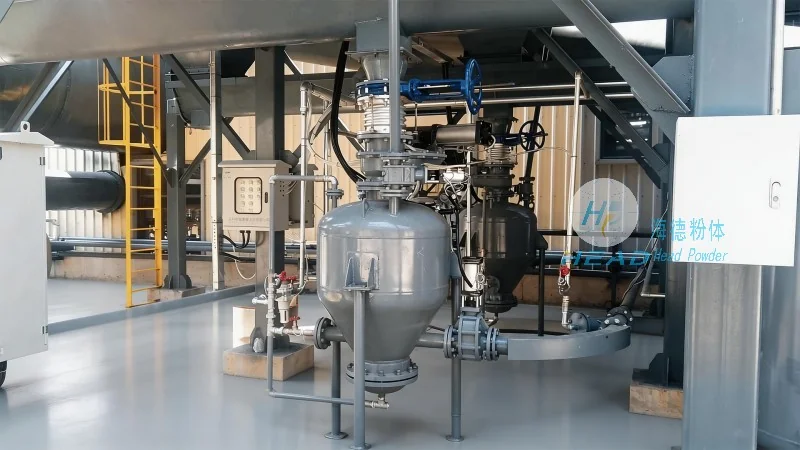
A Magnesium Silicate Powder Conveying System is a specialized piece of equipment designed to transport and handle magnesium silicate powder, a common industrial material used in various applications such as refractory materials, cosmetics, and construction. The system is engineered to ensure efficient, safe, and reliable movement of the powder from one location to another, often in bulk quantities. The design of such systems is critical as it directly impacts the performance, efficiency, and safety of the overall operation.
Key Components of the Conveying System
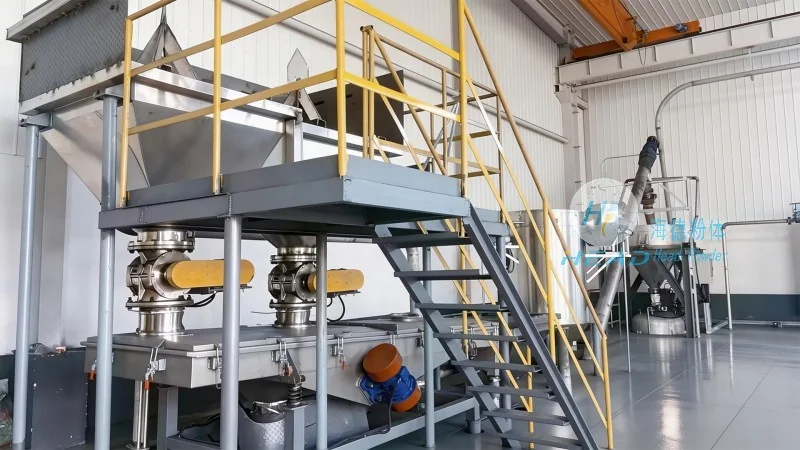
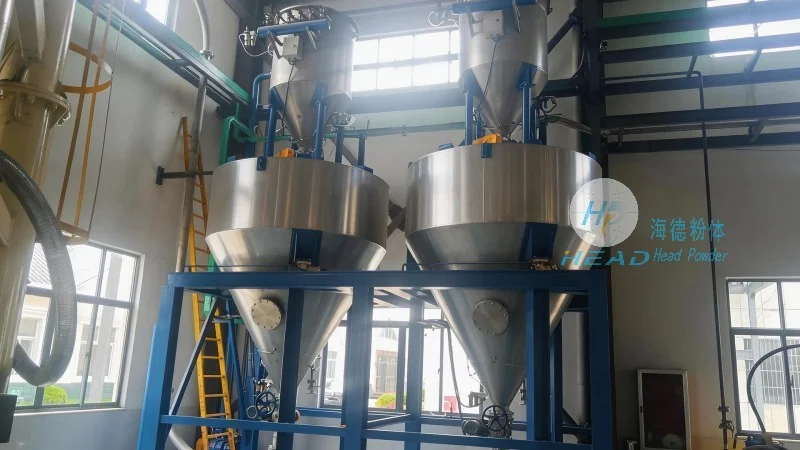
The Magnesium Silicate Powder Conveying System typically consists of several key components that work in tandem to achieve effective powder transport. These components include a hopper for material storage, a feeder to control the flow rate, a conveyor mechanism (such as a screw conveyor or pneumatic conveyor), and a control system to manage the operation. Each component is carefully selected and designed to handle the specific properties of magnesium silicate powder, which can be fine, abrasive, and potentially dusty. The hopper is usually equipped with a lid and a discharge valve to prevent material spillage and contamination. The feeder ensures a consistent and controlled feed rate, preventing overloading or underloading of the conveyor. The conveyor mechanism is chosen based on the powder's characteristics and the required conveying distance. For example, a screw conveyor is suitable for horizontal or slightly inclined transport, while a pneumatic conveyor is ideal for long-distance or vertical transport. The control system integrates sensors and controls to monitor the system's performance, adjust parameters as needed, and ensure safe operation.

Design Principles Behind the System
The design principles of a Magnesium Silicate Powder Conveying System are centered on several key factors: material handling efficiency, system reliability, and operational safety. The system is designed to minimize material degradation, which can occur due to friction, impact, or exposure to air. To achieve this, the components are constructed from materials that are resistant to abrasion and corrosion, such as stainless steel or special alloys. The conveyor mechanism is designed to reduce friction and wear, ensuring long service life. Additionally, the system incorporates dust control measures, such as sealed hoppers and dust collection systems, to maintain a safe working environment and comply with environmental regulations. The design also considers the flow characteristics of magnesium silicate powder, which can be cohesive or free-flowing depending on moisture content and particle size. The system is engineered to handle both types of powders, with adjustments made to the feeder and conveyor speed to optimize flow. The control system is designed to provide real-time monitoring of the powder level, flow rate, and system pressure, allowing operators to make immediate adjustments and prevent system failures.
Applications and Benefits of the Conveying System
The Magnesium Silicate Powder Conveying System is widely used in various industries due to its versatility and efficiency. In the refractory industry, it is used to transport raw materials for the production of refractory bricks and other products. In the cosmetics industry, it is used to handle magnesium silicate-based powders for skincare and beauty products. In the construction industry, it is used to transport the material for insulation and other building applications. The system offers several benefits, including increased productivity, reduced labor costs, and improved safety. By automating the powder transport process, the system reduces the need for manual handling, which can be hazardous due to the fine nature of the powder. The system also ensures consistent material quality by maintaining a controlled flow rate and preventing contamination. Additionally, the system's design allows for easy maintenance and cleaning, reducing downtime and maintenance costs.
Conclusion
In conclusion, the Magnesium Silicate Powder Conveying System is a critical piece of equipment for industries dealing with magnesium silicate powder. Its design, based on engineering principles and tailored to the material's properties, ensures efficient, safe, and reliable operation. Shandong HeadPowder Engineering Co., Ltd. specializes in the design and manufacturing of such systems, providing customized solutions to meet the specific needs of their clients. With its focus on quality, efficiency, and safety, the company is a trusted partner for businesses seeking to optimize their powder handling processes.