

What is a Hydrogen Chloride Powder Handling System? What is its Design Principle?
For industries dealing with hydrogen chloride (HCl) as a powder, the selection and understanding of appropriate handling systems are critical for operational efficiency and safety. This article explores the key components of a hydrogen chloride powder handling system and delves into its fundamental design principles, providing insights into how such systems are engineered to meet the specific demands of industrial applications. Shandong HeadPowder Engineering Co., Ltd., a leading manufacturer based in Shandong, China, specializes in the design and supply of advanced powder handling solutions for corrosive and hazardous materials like HCl.
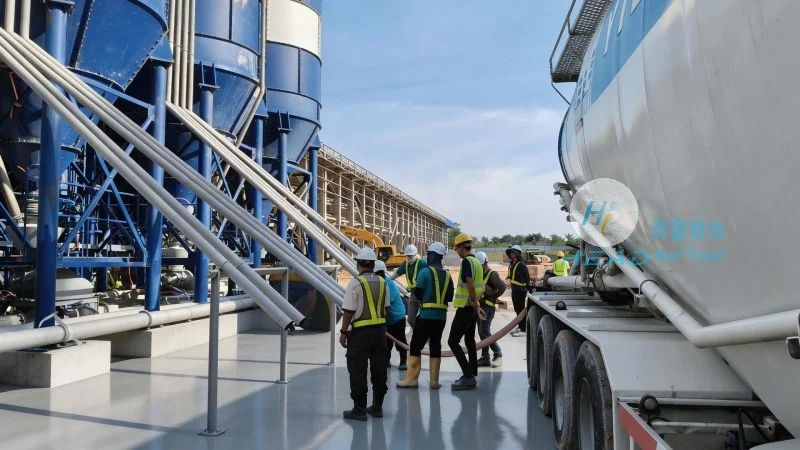
Understanding Hydrogen Chloride Powder Handling Systems
Hydrogen chloride powder handling systems are specialized equipment designed to transport, store, and manage hydrogen chloride in its powdered form. These systems are essential in various industrial processes, including chemical manufacturing, pharmaceutical production, and material processing, where HCl is used as a raw material or intermediate. The primary goal of these systems is to ensure safe and efficient handling of HCl powder, minimizing risks associated with dust explosions, corrosion, and environmental contamination.
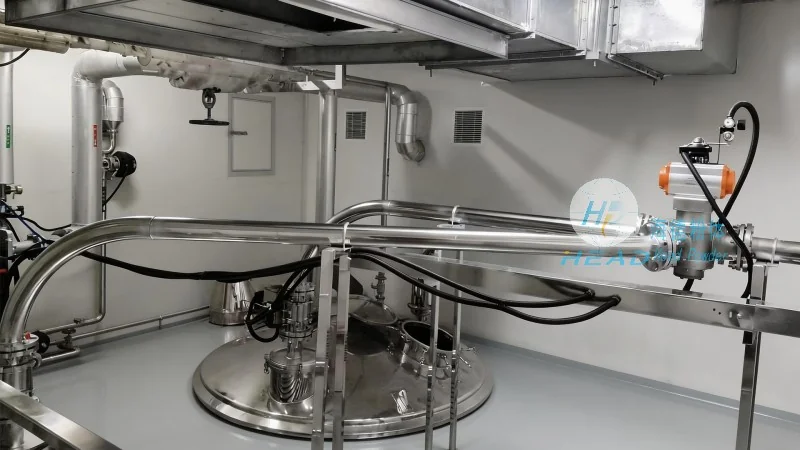
Key Components of a Hydrogen Chloride Powder Handling System
At the core of a hydrogen chloride powder handling system are several critical components that work in tandem to achieve effective material handling. These components typically include:
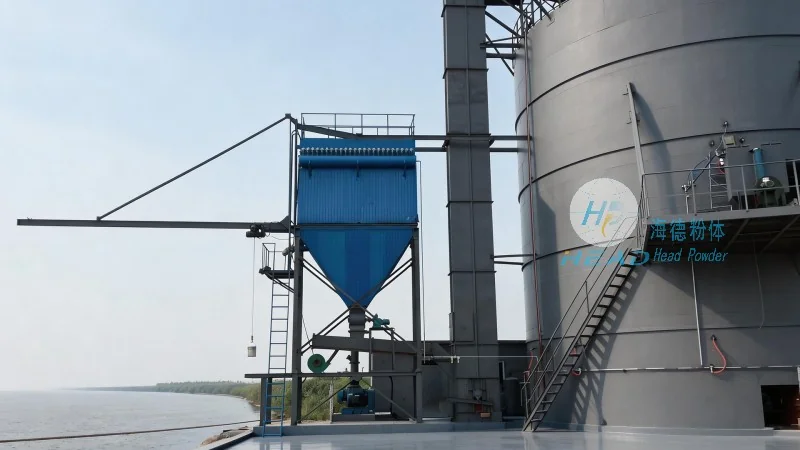
- Pneumatic Conveying Systems: Many HCl powder handling systems utilize pneumatic conveying technology, which involves transporting the powder through a pipeline using compressed air or other gases. This method is particularly effective for handling fine powders and can be designed as either dilute-phase or dense-phase systems, depending on the application requirements.
- Storage Silos: Large-capacity storage silos are used to store bulk quantities of HCl powder. These silos are often constructed from corrosion-resistant materials, such as stainless steel or lined carbon steel, to withstand the acidic nature of HCl and prevent material degradation.
- Dosing and Feeding Equipment: Dosing systems, including rotary valves, screw feeders, or gravimetric feeders, are used to control the flow rate of HCl powder from storage silos to processing equipment. These devices ensure precise and consistent dosing, which is crucial for maintaining process stability and product quality.
- Filtering and Dust Collection Systems: To comply with environmental regulations and maintain workplace safety, HCl powder handling systems incorporate advanced filtration and dust collection systems. These systems capture fine particles and prevent their release into the atmosphere, ensuring compliance with air quality standards.
- Control and Monitoring Systems: Modern HCl powder handling systems are equipped with sophisticated control and monitoring systems. These systems allow operators to monitor key parameters such as pressure, temperature, and flow rates in real-time, enabling proactive maintenance and preventing system failures.
Design Principles of Hydrogen Chloride Powder Handling Systems
The design of a hydrogen chloride powder handling system is guided by several fundamental principles aimed at ensuring safety, efficiency, and durability. These principles include:

- Corrosion Resistance: Given that HCl is a highly corrosive substance, all components of the system, including pipelines, valves, and storage vessels, must be constructed from materials that can withstand prolonged exposure to HCl. Common materials include stainless steel (e.g., 316L), Hastelloy, or specialized coatings that provide long-term protection against corrosion.
- Explosion Prevention: Hydrogen chloride powder can be a fire and explosion hazard under certain conditions. Therefore, the design of the system incorporates explosion-proof components and features such as explosion venting, flame arrestors, and inert gas purging to minimize the risk of dust explosions.
- Material Flow Optimization: Efficient material flow is critical to prevent clogging and ensure consistent performance. The system design considers factors such as powder density, flowability, and particle size distribution to optimize the conveying process. Properly designed hopper angles, venting systems, and flow aids are used to prevent material bridging and ensure smooth flow.
- Environmental Compliance: Compliance with environmental regulations is a key design consideration. The system must be equipped with effective dust collection and emission control measures to minimize the release of HCl particles into the environment. This includes using high-efficiency filters and scrubbers to treat exhaust gases and prevent air pollution.
- Operational Safety: Safety is a top priority in the design of HCl powder handling systems. The system incorporates safety features such as emergency shut-off valves, pressure relief devices, and interlocks to prevent accidents and protect personnel. Regular maintenance and inspection protocols are also integral to ensuring long-term safety.
Applications of Hydrogen Chloride Powder Handling Systems
Hydrogen chloride powder handling systems are widely used in various industrial applications. Some common applications include: