

What is a Cotton Seed Powder Conveyor? Understanding Its Design Principles
Welcome to Shandong HeadPowder Engineering Co., Ltd., a leading manufacturer specializing in industrial powder handling equipment. In this article, we will explore the concept of a cotton seed powder conveyor and delve into its fundamental design principles, providing a comprehensive overview for those interested in efficient material handling solutions.
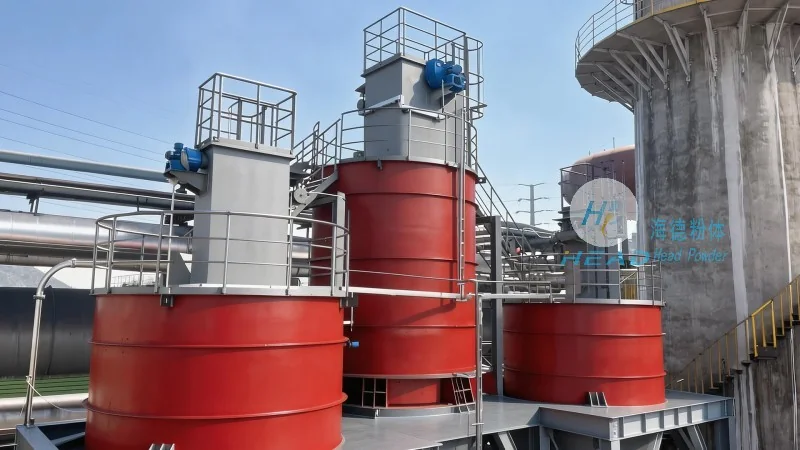
Introduction to Cotton Seed Powder Conveyors
A cotton seed powder conveyor is a specialized piece of equipment designed to transport cotton seed powder—a fine, granular material derived from cotton processing—through industrial processes. These conveyors are essential in various applications, including seed processing, storage, and transportation, ensuring that cotton seed powder moves smoothly and efficiently from one stage to another. The design of such conveyors is tailored to handle the unique properties of cotton seed powder, which can be dusty, lightweight, and prone to caking or bridging under certain conditions.
Key Design Principles of Cotton Seed Powder Conveyors
The design of a cotton seed powder conveyor is built on several critical principles to ensure optimal performance and reliability. First, the conveyor must address the challenges posed by cotton seed powder's physical characteristics. This includes considerations for material flow, such as preventing clogging or uneven distribution, which can lead to inefficiencies or equipment damage. Engineers at Shandong HeadPowder Engineering Co., Ltd. focus on creating conveyors with smooth, non-stick surfaces and appropriate incline angles to facilitate consistent material movement.
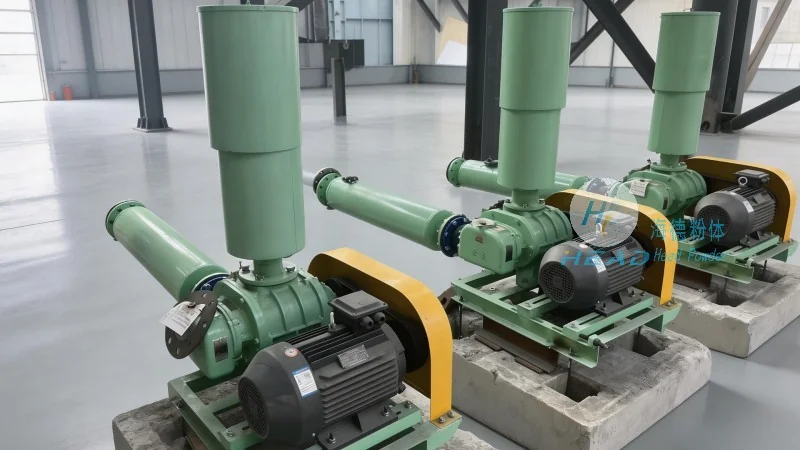
Second, the design incorporates robust construction to withstand the abrasive nature of cotton seed powder. The materials used in the conveyor's components, such as stainless steel or specialized coatings, are chosen to resist wear and corrosion, ensuring long-term durability. Additionally, the conveyor's design may include features like vibration systems or air-assisted mechanisms to prevent material buildup and maintain flow, particularly in areas prone to caking.
Components and Operational Mechanisms
At the core of a cotton seed powder conveyor are several key components that work in tandem to achieve effective material transport. The conveyor system typically includes a hopper for material storage, a feeding mechanism (such as a screw or rotary valve) to control the flow rate, and a conveyor belt or tube that moves the powder. The feeding mechanism is crucial as it regulates the amount of cotton seed powder entering the conveyor, preventing overloading and ensuring a steady flow. The conveyor belt or tube is often made of flexible materials like PVC or rubber, which can be easily cleaned and maintain a consistent surface to avoid material adhesion.
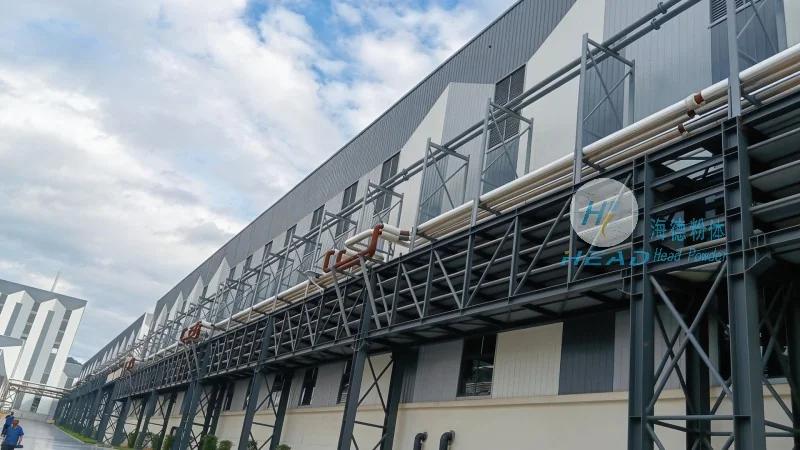
Operational mechanisms may also include a drive system, such as a motor and gearbox, that powers the conveyor's movement. The speed of the conveyor can be adjusted to match the processing requirements, allowing for precise control over the material's velocity. In some designs, additional features like air knives or blowers are integrated to assist in moving the powder, especially when dealing with fine, light particles that might otherwise settle or clog the system.
Advantages of Using Cotton Seed Powder Conveyors
Implementing a cotton seed powder conveyor offers several advantages in industrial settings. Firstly, it enhances operational efficiency by automating the material handling process, reducing the need for manual labor and minimizing the risk of human error. The consistent flow of cotton seed powder ensures that downstream processes, such as packaging or further processing, receive a steady supply of material, improving overall productivity.
Secondly, these conveyors contribute to improved safety in the workplace. By handling cotton seed powder in a closed system, the risk of dust exposure and inhalation is significantly reduced, creating a healthier working environment. Additionally, the enclosed design prevents material loss and contamination, maintaining the quality of the cotton seed powder throughout the handling process.
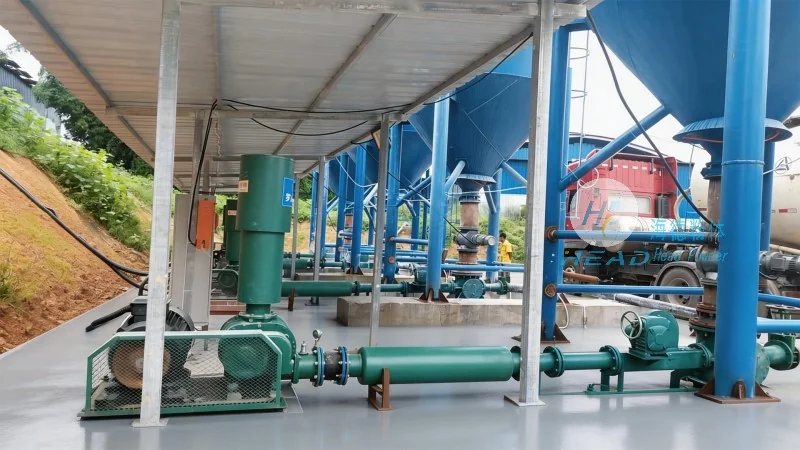
Thirdly, the design flexibility of cotton seed powder conveyors allows them to be adapted to various industrial applications. Whether used in small-scale seed processing facilities or large-scale agricultural operations, the conveyor can be customized to meet specific requirements, including different material capacities, conveyor lengths, and operational speeds. This adaptability makes them a versatile solution for a wide range of cotton seed handling needs.
Conclusion
In conclusion, a cotton seed powder conveyor is a vital piece of equipment in the cotton processing industry, designed to efficiently transport cotton seed powder while addressing the unique challenges posed by this material. The design principles, components, and operational mechanisms work together to ensure reliable and safe material handling. Shandong HeadPowder Engineering Co., Ltd. specializes in manufacturing high-quality cotton seed powder conveyors that meet the demands of modern industrial applications, providing durable and efficient solutions for cotton seed processing and handling.