

What is a Desulfurization and Dust Removal Ash Powder Conveying Machine? What are its Design Princip
For industrial facilities dealing with flue gas treatment, the efficient handling of desulfurization and dust removal ash is a critical operational challenge. A specialized piece of equipment known as a desulfurization and dust removal ash powder conveying machine plays a vital role in managing this process. This article will explore what this machine is and delve into its fundamental design principles, providing a comprehensive understanding of its functionality and importance in modern industrial applications.
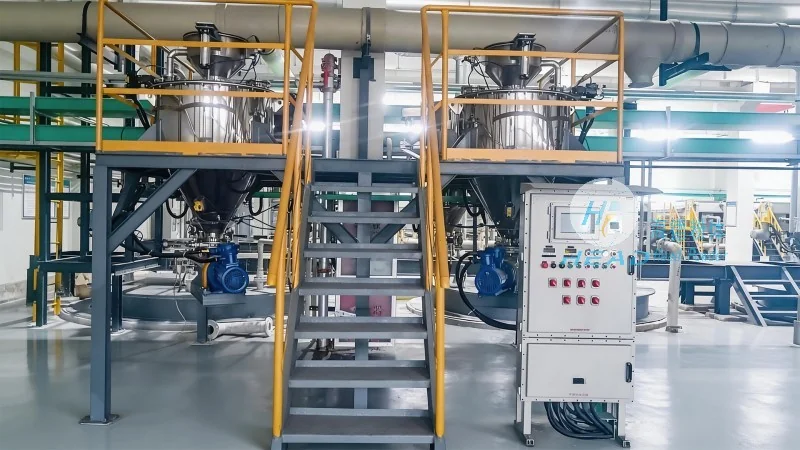
Understanding the Desulfurization and Dust Removal Ash Powder Conveying Machine
The desulfurization and dust removal ash powder conveying machine is a specialized system engineered to transport fine ash particles generated during flue gas desulfurization and dust removal processes. These processes are integral to reducing sulfur dioxide (SO₂) emissions and particulate matter from industrial exhaust streams. The ash produced is typically in a dry, powdery form, which requires careful handling to prevent dust dispersion and ensure safe, efficient transport to disposal or reutilization sites. The machine is designed to address the unique challenges of conveying such fine, potentially abrasive materials, ensuring minimal loss, low maintenance, and compliance with environmental regulations.
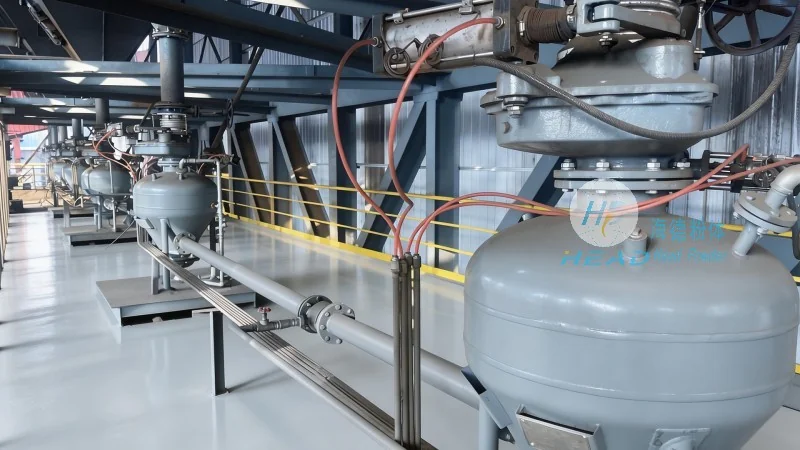
Key Components and Design Features
The desulfurization and dust removal ash powder conveying machine consists of several key components that work in concert to achieve effective material transport. These components include a hopper for ash storage, a feeding mechanism to control the flow of ash into the conveying system, a conveying unit (such as a screw conveyor, pneumatic conveyor, or a combination of both), and a discharge system for delivering the ash to its final destination. The design emphasizes durability and resistance to corrosion, as the ash often contains acidic or abrasive components from the flue gas treatment process. Materials like stainless steel or corrosion-resistant alloys are commonly used for the internal parts to ensure longevity and maintain product quality.
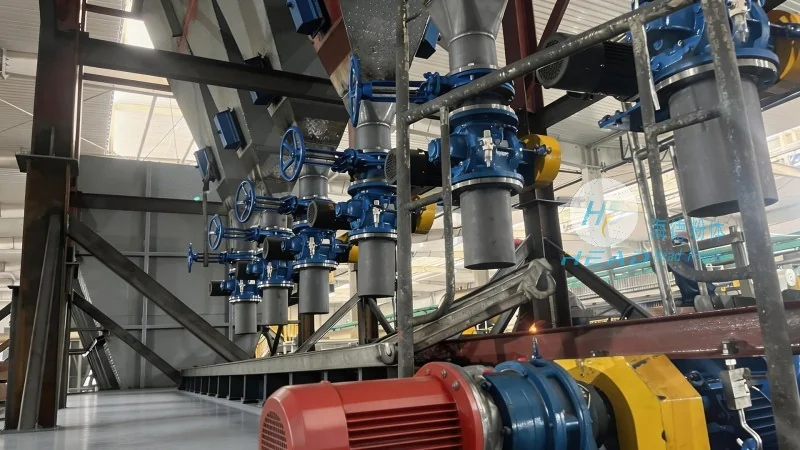
Design Principles for Efficient Operation
The design principles of the desulfurization and dust removal ash powder conveying machine are centered on maximizing efficiency, minimizing material loss, and ensuring safe operation. One of the primary design considerations is the prevention of ash agglomeration and blockages within the conveying system. This is achieved through features such as agitators or vibrators in the hopper to keep the ash in a free-flowing state, and smooth, non-clogging surfaces in the conveying unit. The feeding mechanism is designed to provide a consistent and controlled flow rate, preventing surges that could lead to system overload or material spillage. Additionally, the system incorporates dust suppression measures, such as enclosed housing and filtration systems, to minimize environmental contamination and protect personnel from exposure to fine ash particles.
Operational Advantages and Applications
The desulfurization and dust removal ash powder conveying machine offers several operational advantages that make it indispensable in industrial settings. Its ability to handle fine, dry ash without the need for water or other additives reduces the risk of slurry handling issues and simplifies the overall process. The system is also designed for low maintenance, with easy access to components for cleaning and replacement, which helps to minimize downtime and operational costs. These machines are widely used in power plants, cement factories, and other industrial facilities that rely on flue gas treatment to meet environmental standards. By efficiently transporting ash to disposal sites or reutilization facilities, the machine contributes to the overall sustainability and compliance of the facility's operations.
Conclusion
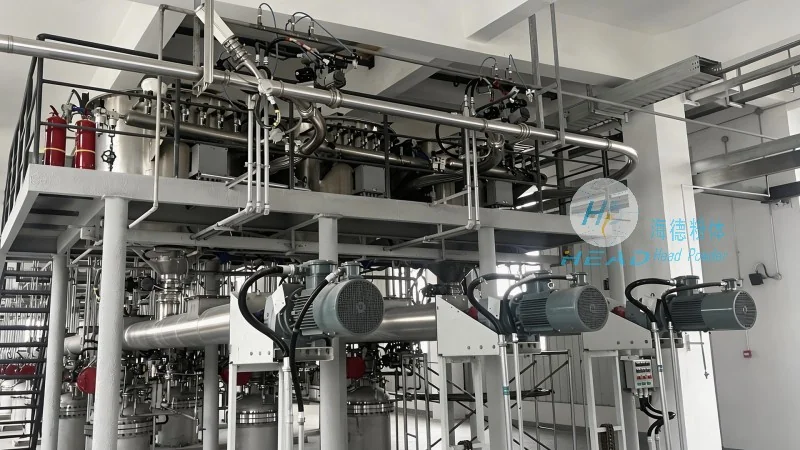
In summary, the desulfurization and dust removal ash powder conveying machine is a critical piece of equipment for managing the byproducts of flue gas treatment. Its design, centered on efficiency, durability, and safety, addresses the unique challenges of transporting fine ash particles. By understanding its components and design principles, industrial facilities can optimize their ash handling processes, ensuring compliance with environmental regulations while maintaining operational efficiency. The expertise of companies like Shandong HeadPowder Engineering Co., Ltd. in developing and manufacturing such equipment underscores the importance of specialized solutions in modern industrial applications.