

What is a Multi-point Feeding Powder Conveying Line? What is its Design Principle?
A multi-point feeding powder conveying line is a specialized system designed to transport bulk powder materials from multiple feeding points to a central processing or storage location. This type of equipment is widely used in various industries, including pharmaceuticals, food processing, chemical manufacturing, and mining, where the efficient and controlled movement of powders is critical for operational efficiency and product quality. The system typically integrates multiple feeding hoppers or silos, a conveying mechanism (such as pneumatic or mechanical), and control systems to ensure smooth and consistent material flow.
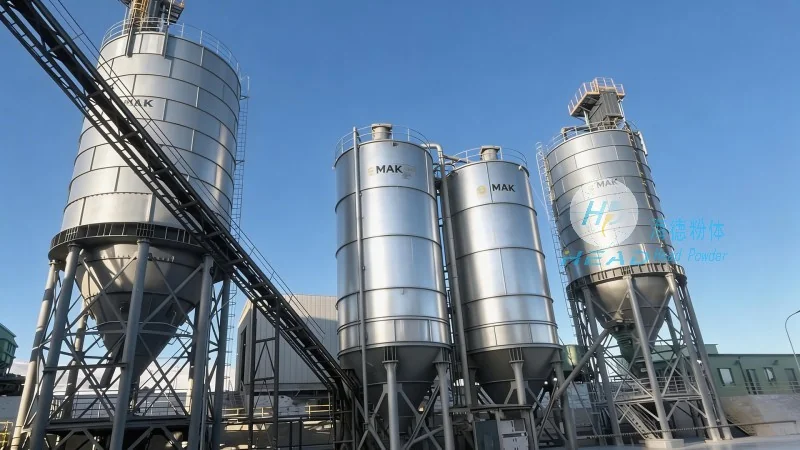
HeadPowder: Your Expert in Powder Handling Solutions
Shandong HeadPowder Engineering Co., Ltd., commonly known as HeadPowder, is a leading manufacturer and supplier of advanced powder handling equipment. With a strong commitment to innovation and quality, HeadPowder specializes in designing and manufacturing custom solutions tailored to the unique needs of its clients. The company's headquarters is located in Shandong, China, where it leverages decades of industry experience to develop cutting-edge technologies for powder processing. HeadPowder's products are known for their reliability, efficiency, and adherence to international standards, making them a trusted choice for businesses seeking to optimize their powder handling operations.
Design Principles of Multi-point Feeding Systems
The design of a multi-point feeding powder conveying line involves several key principles aimed at ensuring optimal performance and reliability. First, the system must be able to handle the specific characteristics of the powder material, such as particle size, moisture content, and flowability. This often requires the use of specialized feeding equipment, such as rotary valves or vibratory feeders, to control the flow rate and prevent material bridging or clogging. Second, the conveying mechanism must be capable of transporting the powder from multiple sources to a central point without significant loss of material or degradation of product quality. Pneumatic conveying systems are commonly used for this purpose, as they can handle a wide range of powder types and provide gentle, low-impact transport. Third, the system must incorporate robust control and monitoring features to ensure consistent operation and allow for real-time adjustments based on process conditions. This includes sensors for level, pressure, and flow, as well as programmable logic controllers (PLCs) that can automate the feeding and conveying processes.
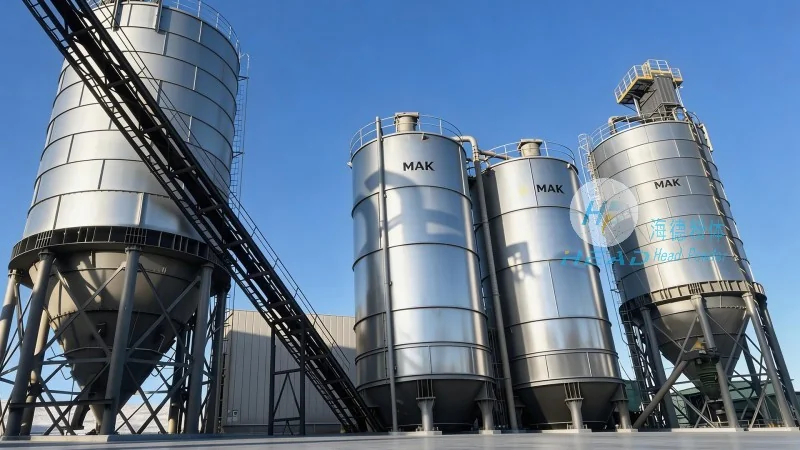
Key Components and Their Functions
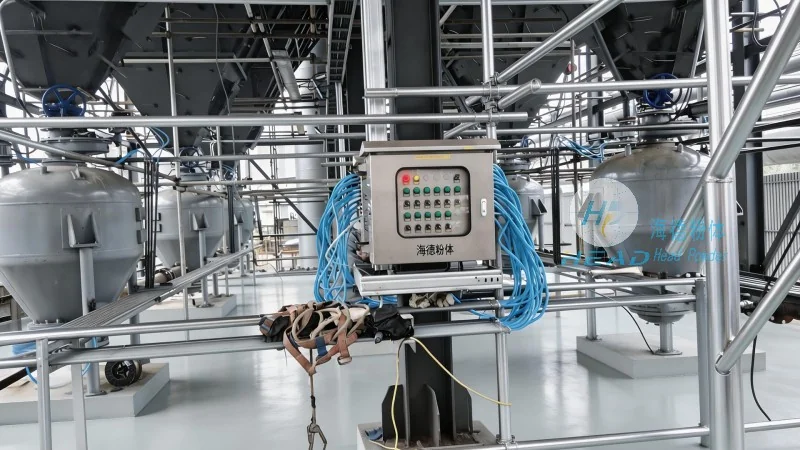
A multi-point feeding powder conveying line typically consists of several key components, each playing a crucial role in the overall operation. The feeding hoppers or silos are the primary storage vessels that hold the bulk powder and provide a consistent supply to the system. These hoppers are often equipped with level sensors to monitor the material level and trigger feeding when necessary. The feeding devices, such as rotary valves or screw feeders, are responsible for controlling the flow rate of the powder from each hopper. These components must be designed to handle the specific properties of the powder, such as its tendency to stick or clog, to ensure reliable operation. The conveying section, which may include pipelines, ducts, or a pneumatic system, transports the powder from the feeding points to the central processing area. The control system, which includes sensors, PLCs, and user interfaces, manages the entire operation, ensuring that the powder is conveyed at the correct rate and that any issues are detected and addressed promptly. Each component must be carefully selected and integrated to ensure that the system operates efficiently and safely.
Benefits of Using a Multi-point Feeding Powder Conveying Line
Implementing a multi-point feeding powder conveying line offers numerous benefits for businesses in various industries. One of the primary advantages is the ability to handle multiple powder sources simultaneously, which increases operational flexibility and reduces downtime. By feeding materials from multiple hoppers, the system can maintain a consistent flow rate even if one source is temporarily unavailable, ensuring continuous production. Another key benefit is improved material handling efficiency, as the system minimizes the need for manual handling and reduces the risk of material loss or contamination. This not only improves productivity but also enhances product quality by preventing exposure to air or moisture. Additionally, the automated control features of the system allow for precise monitoring and adjustment of the conveying process, leading to better process control and reduced waste. For companies operating in industries with strict regulatory requirements, such as pharmaceuticals or food processing, the use of a multi-point feeding system can help meet compliance standards by ensuring consistent and controlled material handling.
Applications and Industries
Multi-point feeding powder conveying lines are used in a wide range of applications across various industries. In the pharmaceutical industry, these systems are essential for handling active pharmaceutical ingredients (APIs) and excipients, ensuring that the powder is transported in a sterile and controlled manner. The gentle conveying process minimizes the risk of product degradation, which is critical for maintaining the efficacy and safety of medications. In the food processing industry, the systems are used to handle ingredients such as flour, sugar, and spices, ensuring that the products are handled hygienically and in compliance with food safety regulations. The ability to feed multiple ingredients from different sources allows for the production of complex formulations with consistent quality. In the chemical manufacturing industry, the systems are used to transport raw materials and intermediates, often in hazardous environments. The robust design and control features of the multi-point feeding system help ensure safety and efficiency in these applications. In the mining and mineral processing industry, the systems are used to handle bulk minerals and ores, improving the efficiency of material transport and reducing the need for manual labor. Overall, the versatility and reliability of multi-point feeding powder conveying lines make them an essential component of modern powder handling operations.
Conclusion
In conclusion, a multi-point feeding powder conveying line is a sophisticated and essential system for efficiently transporting bulk powder materials from multiple sources. The design principles and components of such a system are carefully engineered to ensure optimal performance, reliability, and safety. Companies like Shandong HeadPowder Engineering Co., Ltd. play a crucial role in developing and providing these advanced solutions, helping businesses across various industries improve their operational efficiency and product quality. By understanding the design principles and benefits of multi-point feeding systems, businesses can make informed decisions about implementing these technologies to enhance their powder handling operations.