

What is a Glucose Powder Conveying System Equipment? What are its Design Principles?
Glucose powder conveying systems are critical components in various industrial sectors, particularly in the food and pharmaceutical industries. These systems are engineered to handle the transportation of glucose powder efficiently and safely. Understanding the equipment and its design principles is essential for optimizing production processes and ensuring product quality.
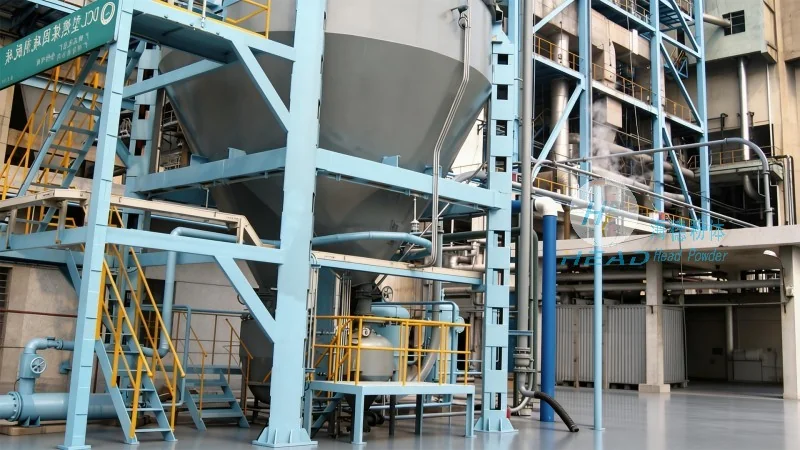
Overview of Glucose Powder Conveying System Equipment
Glucose powder conveying systems are specialized machinery designed to transport granular or powdered glucose from one location to another within a production facility. The equipment typically includes components such as hoppers, conveyors, and control systems. These systems are crucial for maintaining consistent flow rates, preventing material degradation, and ensuring hygienic handling, which are paramount in industries where product purity and safety are non-negotiable.
Design Principles of Glucose Powder Conveying Systems
The design of a glucose powder conveying system is based on several key principles to ensure optimal performance. First, the system must accommodate the physical properties of glucose powder, including its particle size, moisture content, and flow characteristics. Engineers consider factors like bulk density, angle of repose, and cohesive forces to select appropriate conveying methods, such as pneumatic conveying or mechanical screw conveyors. For example, fine glucose powders with high moisture content may require pneumatic conveying to prevent caking and ensure smooth flow, while larger particles might be better suited for screw conveyors due to their higher bulk density and lower tendency to create dust. Second, the system is designed for minimal product contamination and cross-contamination, which is vital in food and pharmaceutical applications. This involves using materials that are non-reactive, easy to clean, and compliant with regulatory standards like FDA or GMP. Stainless steel is commonly used for the hopper and conveyor components, as it resists corrosion and can be sanitized effectively. Third, energy efficiency is a critical design consideration, as conveying systems often operate continuously and consume significant power. Advanced designs incorporate energy-saving features like variable speed drives and optimized airflow. Variable speed drives allow the conveyor speed to be adjusted based on the production demand, reducing energy consumption during low-demand periods. Optimized airflow in pneumatic systems minimizes the amount of air used while maintaining sufficient pressure to transport the powder, further enhancing energy efficiency. Additionally, the system is designed with safety features to prevent accidents and ensure operator protection, such as emergency stop buttons and pressure relief valves.
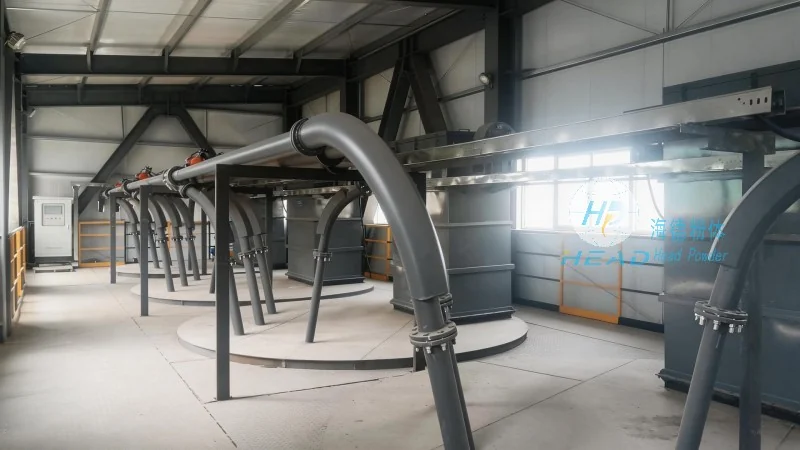
Key Components and Their Functions
A typical glucose powder conveying system consists of several key components, each playing a vital role in the overall operation. The hopper is the primary storage unit where glucose powder is loaded. It is designed to prevent material bridging and ensure a steady flow into the conveying mechanism. The conveyor itself, whether it is a screw conveyor, belt conveyor, or pneumatic system, is responsible for moving the powder through the system. In pneumatic conveying systems, air is used to transport the powder in a sealed pipeline, minimizing dust and ensuring a clean environment. The control system manages the entire process, including flow rates, pressure, and safety interlocks. This system ensures that the conveying operation is automated and responsive to production demands.
Applications and Industry Relevance
Glucose powder conveying systems are widely used in industries where glucose is a key ingredient. In the food industry, these systems are employed in the production of confectionery, beverages, and baked goods. The consistent and hygienic delivery of glucose is essential for maintaining product quality and flavor. In the pharmaceutical industry, glucose is used in various formulations, and the conveying system must meet stringent regulatory requirements. The equipment ensures that the powder is handled in a sterile environment, preventing contamination and ensuring batch consistency. Additionally, in the chemical and agricultural sectors, glucose powder conveying systems are used for the transport of other powdered materials, leveraging the same design principles and technology.
Advantages of Using Glucose Powder Conveying Systems
Implementing a glucose powder conveying system offers numerous advantages for industrial operations. Firstly, it enhances productivity by enabling continuous and automated material handling. This reduces labor costs and increases throughput, allowing manufacturers to meet higher production demands. Secondly, the system improves product quality by minimizing material degradation and contamination. The controlled environment and hygienic design ensure that the glucose powder remains in optimal condition throughout the conveying process. Thirdly, energy efficiency is a significant benefit, as modern systems are designed to use less power while maintaining performance. This not only reduces operational costs but also contributes to environmental sustainability. Finally, the system provides flexibility in handling different types of glucose powders, from fine to coarse particles, and can be adapted to various production scales, from small-scale batches to large-scale industrial operations.
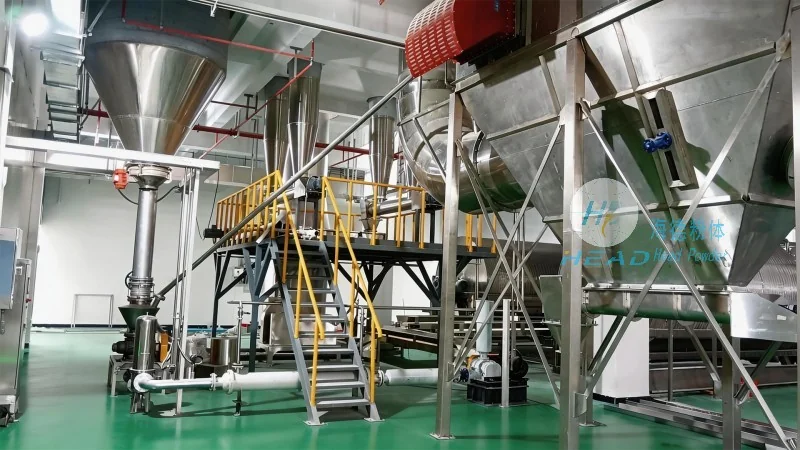
Company Background: Shandong HeadPowder Engineering Co., Ltd.
Shandong HeadPowder Engineering Co., Ltd., commonly known as HeadPowder, is a leading manufacturer of specialized powder handling equipment. With a strong focus on innovation and quality, the company has established itself as a trusted partner in the industry. HeadPowder specializes in designing and manufacturing glucose powder conveying systems that meet the highest standards of performance and reliability. The company's team of engineers and technicians work closely with clients to understand their specific needs and develop customized solutions. HeadPowder's commitment to research and development ensures that its products are equipped with the latest technologies, such as advanced control systems and energy-efficient designs. The company's facilities are located in Shandong, China, where it leverages local resources and expertise to deliver superior products to global markets.
Conclusion
In conclusion, glucose powder conveying systems are essential equipment in industries that rely on the efficient and safe handling of glucose powder. The design principles, components, and applications of these systems are tailored to meet the unique demands of each industry. By understanding the technology and choosing the right equipment, manufacturers can optimize their production processes, enhance product quality, and reduce operational costs. Shandong HeadPowder Engineering Co., Ltd. stands as a reliable partner in providing advanced glucose powder conveying systems that meet the evolving needs of the industry.