

What is a Sodium Chlorate Powder Conveyor? And What Are Its Design Principles?
When it comes to handling sodium chlorate powder in industrial settings, the choice of equipment is critical for efficiency, safety, and operational reliability. A sodium chlorate powder conveyor is a specialized piece of machinery designed to transport this specific chemical powder from one location to another within a production or processing facility. This article delves into the fundamental aspects of such conveyors, focusing on their design principles and the key considerations that make them effective for sodium chlorate applications.
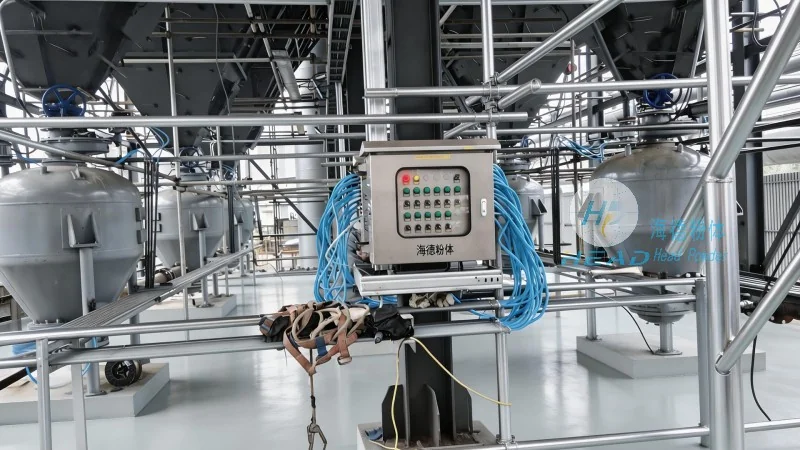
Understanding the Role of Sodium Chlorate Powder Conveyors
Sodium chlorate is a highly reactive chemical compound commonly used in various industrial processes, including pulp and paper manufacturing, chemical synthesis, and as a bleaching agent. Due to its properties, handling this powder requires equipment that can manage its flow without causing contamination, dust generation, or safety hazards. The sodium chlorate powder conveyor addresses these challenges by providing a controlled, enclosed system for material transport. These conveyors are engineered to ensure that the powder moves smoothly and safely, minimizing the risk of spills, exposure, or equipment damage.
Key Design Principles of Sodium Chlorate Powder Conveyors
The design of a sodium chlorate powder conveyor is built on several core principles aimed at optimizing performance and safety. First, the system must be fully enclosed to contain the powder and prevent dust from dispersing into the environment. This enclosure is typically made from materials resistant to corrosion and chemical exposure, such as stainless steel or specialized polymers, to withstand the effects of sodium chlorate. Second, the conveyor's components, including the hopper, feed mechanism, and conveying tubes, are designed to minimize friction and abrasion, as the powder can be abrasive and may cause wear on metal surfaces over time. This is achieved through the use of smooth, non-stick surfaces and appropriate material selection for the conveyor's internal parts.
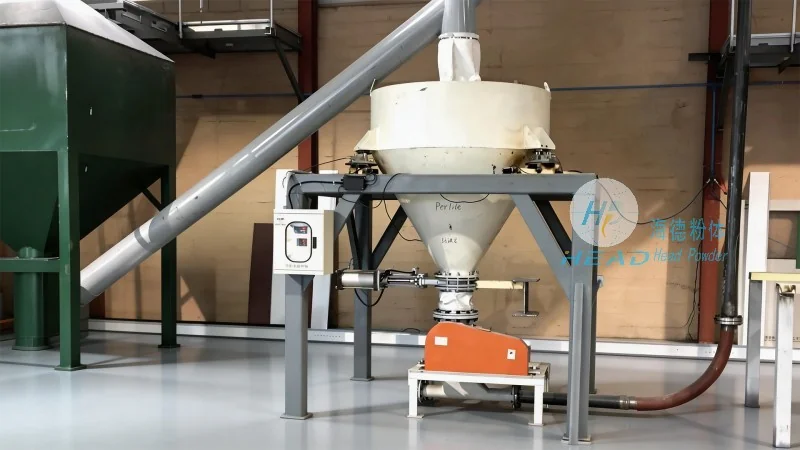
Third, the design incorporates features that prevent material buildup and blockages. For sodium chlorate, which can be hygroscopic (absorbing moisture from the air), the conveyor is often equipped with heating elements or drying mechanisms to maintain the powder's dryness and prevent clumping. This ensures consistent flow and prevents clogs that could halt production. Additionally, the system includes safety features such as pressure relief valves and emergency stop buttons to protect operators and the equipment in case of malfunctions.
Components and Operational Mechanisms
A typical sodium chlorate powder conveyor consists of several interconnected components that work together to achieve efficient material transport. The primary components include a hopper for material storage, a feeding mechanism (often a screw or rotary valve) to control the flow of powder into the conveyor, the conveying tube or belt, and a discharge outlet for delivering the powder to its destination. The hopper is designed with a wide opening to allow easy loading of the powder and may include a level indicator to monitor the material volume. The feeding mechanism regulates the rate of powder release, ensuring a steady flow that matches the conveyor's capacity.
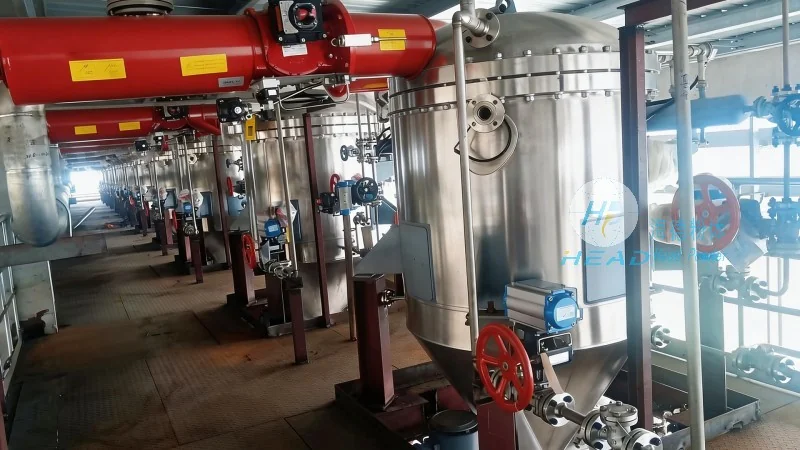
The conveying mechanism itself can vary depending on the system design. Some conveyors use pneumatic systems, where compressed air moves the powder through a tube, while others employ mechanical systems like screw conveyors or belt conveyors. For sodium chlorate, mechanical systems are often preferred as they provide better control over the material's movement and reduce the risk of air contamination. The conveying tube is typically made of a durable, non-reactive material, such as stainless steel or PTFE-coated metal, to prevent chemical reactions and ensure longevity.
Ensuring Safety and Compliance
Given the hazardous nature of sodium chlorate, safety is a paramount consideration in the design and operation of powder conveyors. The equipment must comply with relevant industrial safety standards and regulations, such as those set by OSHA (Occupational Safety and Health Administration) or local environmental agencies. This includes features like explosion-proof designs, dust extraction systems, and proper ventilation to minimize the risk of dust explosions or inhalation hazards. Additionally, the conveyor is equipped with sensors and alarms to detect abnormal conditions, such as overfilling or blockages, and alert operators to take corrective action.
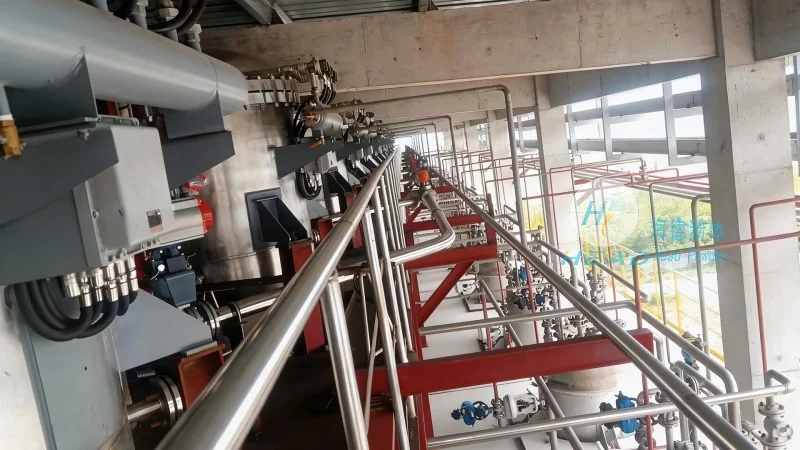
Applications and Operational Benefits
Sodium chlorate powder conveyors are widely used in industries where sodium chlorate is a key raw material. In the pulp and paper industry, for example, these conveyors transport sodium chlorate to bleaching units, ensuring consistent chemical delivery and improving the efficiency of the bleaching process. In chemical manufacturing, they are used to move sodium chlorate between reactors and storage tanks, facilitating smooth production workflows. The operational benefits of using such conveyors include increased productivity, reduced labor costs, and improved safety for personnel. By automating the powder transport process, these systems minimize manual handling, which in turn reduces the risk of exposure to the chemical and associated health risks.
Conclusion
In summary, a sodium chlorate powder conveyor is a specialized industrial machine designed to handle this reactive chemical powder safely and efficiently. Its design is rooted in principles of containment, material flow control, and safety, with components carefully selected to withstand the chemical's properties. By understanding these design principles and operational mechanisms, industries can leverage such equipment to enhance their production processes while maintaining compliance with safety regulations. For businesses dealing with sodium chlorate, investing in a well-designed powder conveyor is a critical step toward optimizing operations and ensuring workplace safety.