

What is a Dry Yeast Powder Conveying System? And What Are Its Design Principles?
For industrial applications involving dry yeast, the efficient and reliable transportation of powder is crucial. A dry yeast powder conveying system is a specialized piece of equipment designed to handle the unique properties of yeast powder, ensuring safe and effective movement from one location to another. This system is essential for maintaining product quality and operational efficiency in food processing, brewing, and other industries where yeast is a key ingredient.
Understanding the Dry Yeast Powder Conveying System
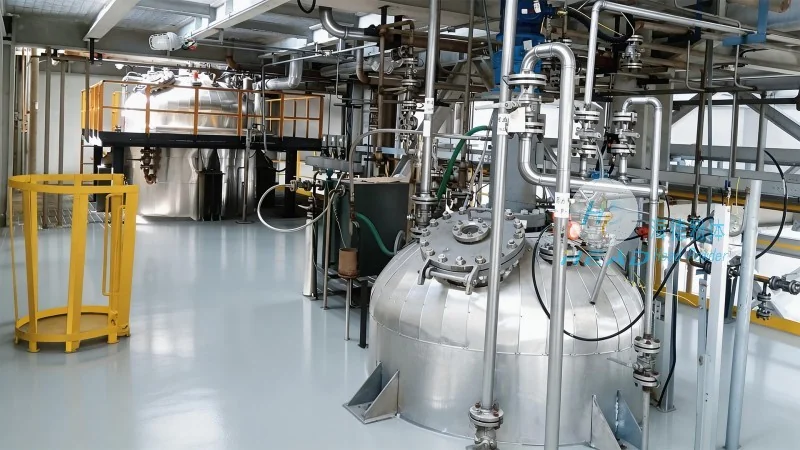
A dry yeast powder conveying system is engineered to address the challenges associated with transporting fine, light, and sometimes hygroscopic powder materials like yeast. These systems are designed to prevent product degradation, contamination, and loss during transit. The core components typically include a hopper for material storage, a conveyor mechanism (such as a screw conveyor, pneumatic conveyor, or rotary valve), and control systems to regulate flow and pressure. The design prioritizes minimal product breakage, consistent flow rates, and easy maintenance, making it suitable for continuous production lines.
The Design Principles Behind the System
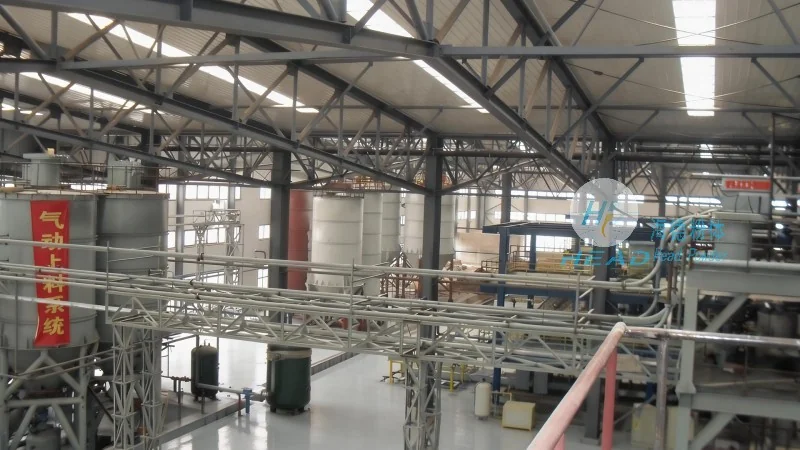
The design of a dry yeast powder conveying system is guided by several key principles to ensure optimal performance. First, the system must accommodate the physical characteristics of yeast powder, which includes its particle size, density, and flowability. Engineers often use a combination of mechanical and pneumatic components to handle variations in these properties. For example, a screw conveyor may be used for bulk material handling, while a pneumatic conveyor can handle finer particles or require longer transport distances. Second, the system is designed to minimize product exposure to air and moisture, as yeast is sensitive to these factors, which can affect its viability and quality. This is achieved through sealed systems and proper sealing of components to prevent contamination and moisture absorption. Third, the system emphasizes energy efficiency and operational safety. Features like variable speed drives, overload protection, and emergency stop buttons are integrated to optimize energy use and ensure safe operation. Additionally, the design considers ease of cleaning and maintenance, which is critical for maintaining hygiene standards in food processing environments.
Key Components and Their Functions
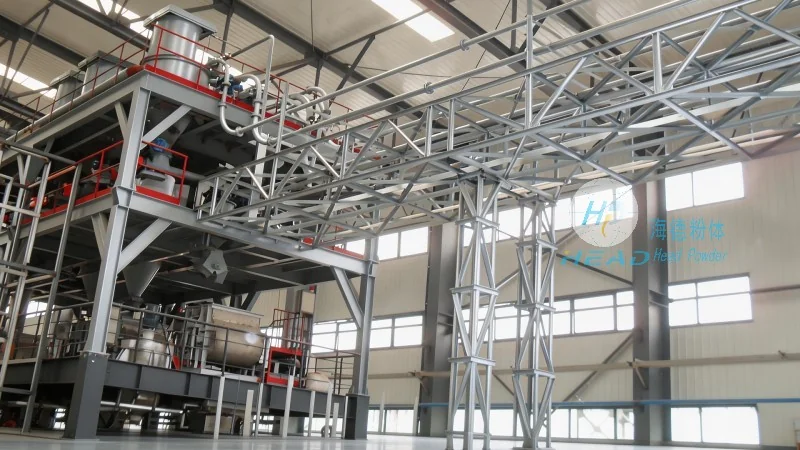
Several critical components work together to make a dry yeast powder conveying system effective. The hopper serves as the primary storage vessel, providing a large capacity to store yeast powder and ensuring a consistent feed to the conveyor. The hopper is often equipped with a level indicator to monitor material levels and prevent overfilling or underfilling. The conveyor mechanism, such as a screw or auger conveyor, is responsible for moving the powder through the system. Screw conveyors use rotating screws to push material forward, making them ideal for vertical or horizontal transport. Pneumatic conveyors, on the other hand, use air pressure to transport powder through a pipeline, which is suitable for longer distances or when the powder needs to be transported in a closed system. The rotary valve, or airlock, is a critical component that controls the flow of material from the hopper to the conveyor, preventing backflow and ensuring a smooth transition. Control systems, including sensors and programmable logic controllers (PLCs), monitor and regulate the operation of the system, adjusting flow rates and pressure as needed to maintain optimal performance.
Applications and Benefits in Industrial Settings
Dry yeast powder conveying systems are widely used in various industrial applications, particularly in the food and beverage industry. In breweries, for example, these systems are used to transport yeast from storage to fermentation tanks, ensuring a consistent and controlled addition of yeast to the brewing process. In bakeries, the system helps deliver yeast to mixing and proofing equipment, maintaining the quality of the final product. The benefits of using a dry yeast powder conveying system include improved product quality, reduced labor costs, and increased operational efficiency. By minimizing product breakage and contamination, the system helps maintain the viability of the yeast, which is essential for its effectiveness in fermentation and baking. Additionally, the automated nature of the system reduces the need for manual handling, which can be hazardous and inefficient. The system also contributes to better inventory management by providing accurate material flow data, allowing companies to optimize their production processes and reduce waste.
Customization and Integration with Existing Systems
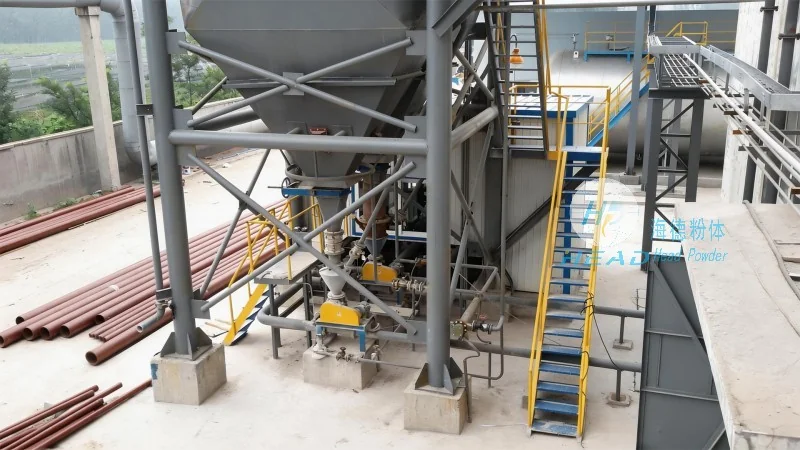
Shandong HeadPowder Engineering Co., Ltd. specializes in designing and manufacturing customized dry yeast powder conveying systems tailored to the specific needs of each client. The company, commonly known as headpowder, understands that each industrial application has unique requirements, and their systems are designed to integrate seamlessly with existing production lines. Customization options include varying the size and capacity of the hopper, selecting the appropriate conveyor type based on the powder's characteristics, and incorporating additional features such as dust collection systems or temperature control. The company's engineers work closely with clients to assess their operational needs, material properties, and space constraints to develop a system that meets their exact specifications. This approach ensures that the system not only performs efficiently but also fits within the client's existing infrastructure, minimizing installation time and costs. The company also provides ongoing support and maintenance services to ensure the system operates at peak performance throughout its lifespan.