

What is a Tri-Metal Material Pneumatic Conveyor? What Are Its Design Principles?
Tri-metal material pneumatic conveyors are specialized equipment designed for the efficient and safe transportation of tri-metal materials, such as those used in lithium-ion battery production. These conveyors leverage pneumatic technology to move materials through a system of pipes and ducts using air pressure, offering a flexible and low-maintenance solution for industrial material handling. The design of these systems is critical to ensuring optimal performance, reliability, and safety in high-demand manufacturing environments.
Understanding the Core Components of Tri-Metal Material Pneumatic Conveyors
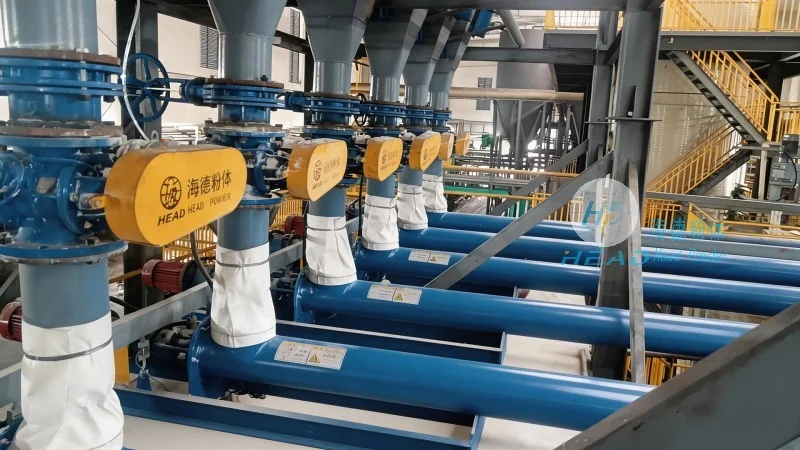
At the heart of a tri-metal material pneumatic conveyor system are several key components that work in concert to facilitate material transport. The primary elements include the hopper or feed hopper, which holds the material to be conveyed; the air compressor or blower, which generates the necessary air pressure; the conveying line or ductwork, which transports the material; and the receiver or discharge hopper, where the material is deposited. Each component is engineered to handle the specific characteristics of tri-metal materials, such as their density, particle size, and potential reactivity, ensuring efficient and safe operation.
Design Principles Behind Tri-Metal Material Pneumatic Conveyors
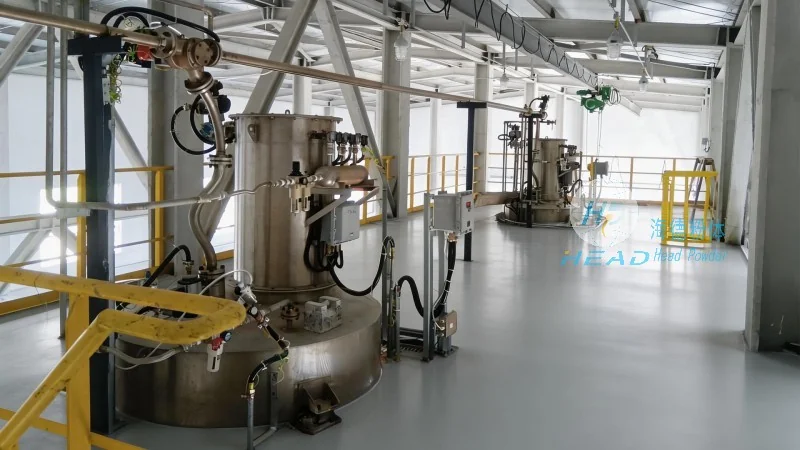
The design principles of tri-metal material pneumatic conveyors are centered on optimizing material flow, minimizing pressure loss, and ensuring system reliability. One of the fundamental principles is the selection of appropriate air velocity and pressure. The air velocity must be high enough to overcome the material's resistance to movement but low enough to prevent excessive wear on the system components and to avoid material degradation. The pressure is typically maintained at a level that balances the need for efficient transport with energy efficiency. Another critical design principle is the use of appropriate ductwork and fittings. The diameter and length of the conveying line, as well as the type of bends and elbows used, are carefully calculated to minimize pressure drop and ensure consistent material flow. Additionally, the material of construction for the hopper, ductwork, and other components is chosen to resist corrosion and abrasion, which are common issues when handling tri-metal materials. The system is also designed with safety features, such as pressure relief valves and explosion-proof components, to protect against potential hazards associated with the material being transported.
Applications and Benefits of Tri-Metal Material Pneumatic Conveyors
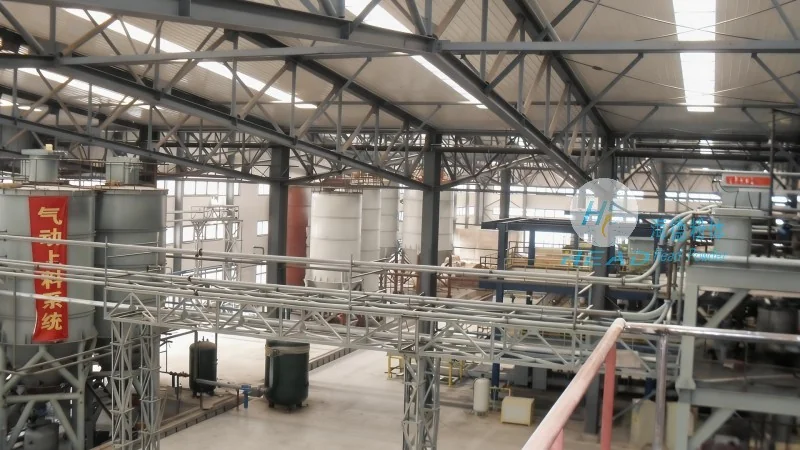
Tri-metal material pneumatic conveyors are widely used in industries that require the handling of tri-metal powders and granules, particularly in the production of lithium-ion batteries, where materials like lithium cobalt oxide, lithium iron phosphate, and nickel manganese cobalt oxide are commonly processed. The primary benefits of these systems include high efficiency in material transport, reduced labor costs due to automated operation, and improved safety compared to traditional mechanical conveyors. The pneumatic system eliminates the need for moving parts in contact with the material, reducing the risk of contamination and wear. Additionally, the flexibility of the system allows for easy integration into existing production lines and the ability to transport materials over long distances without the need for multiple transfer points. The low maintenance requirements of pneumatic conveyors also contribute to their cost-effectiveness, as they have fewer moving parts that can fail compared to mechanical systems.
Customization and Scalability of Tri-Metal Material Pneumatic Conveyors
Tri-metal material pneumatic conveyors are often customized to meet the specific needs of individual manufacturing processes. The system design can be adjusted to accommodate different material types, quantities, and processing requirements. For example, the size of the hopper can be increased to handle larger batches of material, or the conveying line can be extended to cover longer distances. The system can also be integrated with other equipment, such as mixers, classifiers, or packaging machines, to create a comprehensive material handling solution. Scalability is another key feature of these conveyors, as they can be expanded or modified as production needs change. This flexibility makes tri-metal material pneumatic conveyors a long-term investment for companies that require reliable and efficient material transport in their operations.
Conclusion: The Role of Tri-Metal Material Pneumatic Conveyors in Modern Manufacturing
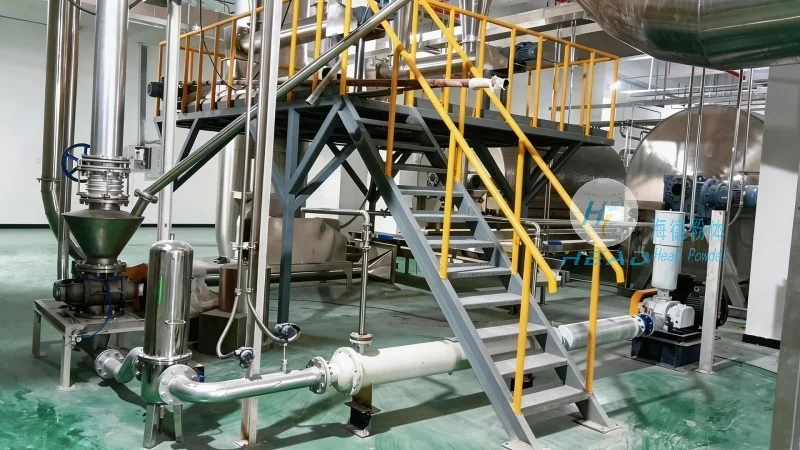
Tri-metal material pneumatic conveyors play a vital role in modern manufacturing, particularly in industries that rely on the efficient handling of tri-metal materials. The design principles behind these systems, which prioritize efficiency, safety, and reliability, have been refined over time to meet the demands of high-tech production environments. As the demand for tri-metal materials continues to grow, particularly in the battery industry, the importance of these conveyors will only increase. Companies that invest in high-quality tri-metal material pneumatic conveyors, such as those offered by Shandong HeadPowder Engineering Co., Ltd., can expect to improve their operational efficiency, reduce costs, and enhance product quality. The expertise and experience of companies like HeadPowder in designing and manufacturing these systems ensure that customers receive equipment that is tailored to their specific needs and capable of withstanding the rigors of industrial use.