

What is a Nitrogen Circulating Pneumatic Conveying System? And What Are Its Design Principles?
Understanding the fundamental concepts of nitrogen circulating pneumatic conveying systems is crucial for industries that require efficient material handling solutions. This article explores the core components, operational principles, and design considerations of such systems, providing a comprehensive overview for professionals in material handling and process engineering.
Key Components of a Nitrogen Circulating Pneumatic Conveying System
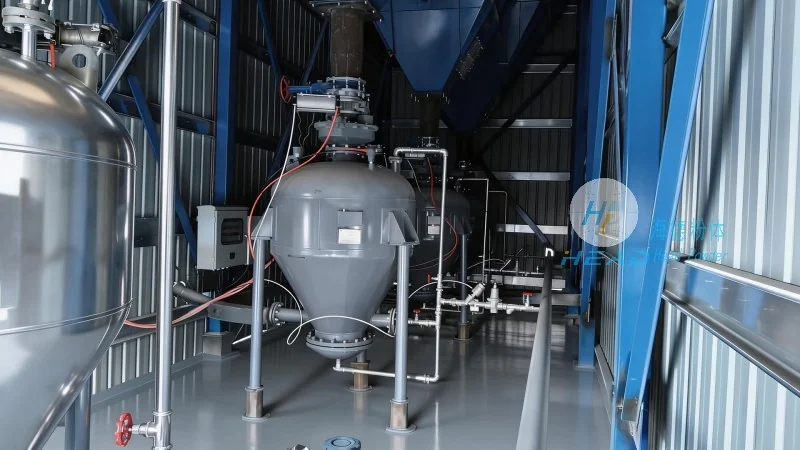
A nitrogen circulating pneumatic conveying system typically consists of several critical components that work in tandem to transport materials. The primary elements include a nitrogen compressor or blower, a conveying pipeline network, a material hopper or feeder, a receiver or discharge point, and a control system. Each component plays a vital role in ensuring the system operates efficiently and reliably.
The nitrogen compressor is responsible for generating the necessary pressure and airflow to move the material through the pipeline. It can be a rotary lobe blower or a centrifugal fan, depending on the system's requirements and the material's characteristics. The conveying pipeline is usually made of stainless steel or other corrosion-resistant materials to handle various types of powders and granules. The material hopper or feeder is designed to store and meter the material into the system, ensuring a consistent flow rate. The receiver or discharge point collects the material at the end of the conveying line, and the control system monitors and regulates the operation of the entire system, including pressure, flow rate, and material level.
Design Principles and Operational Mechanisms
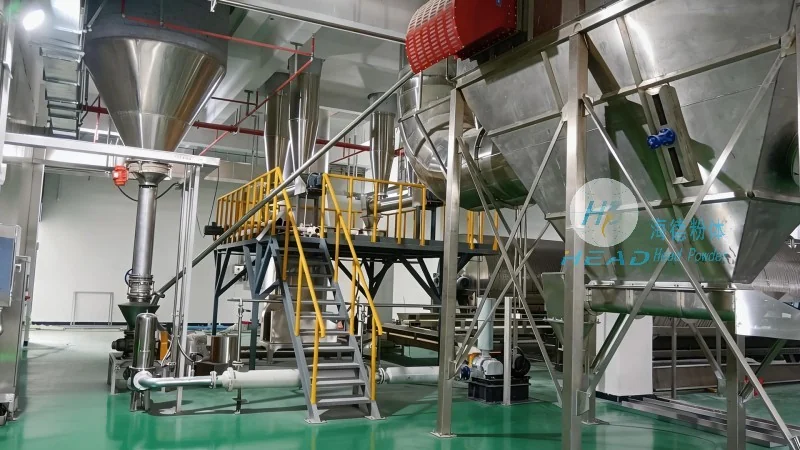
The design principles of a nitrogen circulating pneumatic conveying system are centered around creating a closed-loop system that recirculates the conveying medium (nitrogen gas) to minimize energy consumption and environmental impact. Unlike positive pressure or negative pressure systems, the circulating system maintains a constant pressure within the pipeline, which helps in achieving stable and consistent material transport. The system operates by drawing material from the hopper, mixing it with the nitrogen gas, and transporting it through the pipeline to the discharge point. The gas then returns to the compressor, completing the cycle.
One of the key design considerations is the velocity of the gas within the pipeline. The velocity must be sufficient to keep the material in suspension and prevent particle settling or blockages. This velocity is typically determined by the material's properties, such as particle size, density, and moisture content. The system's design also takes into account the pressure drop across the pipeline, which affects the overall energy consumption. Proper sizing of the pipeline diameter and the compressor's capacity is essential to maintain optimal pressure and flow rates.
Advantages of Nitrogen Circulating Pneumatic Conveying Systems
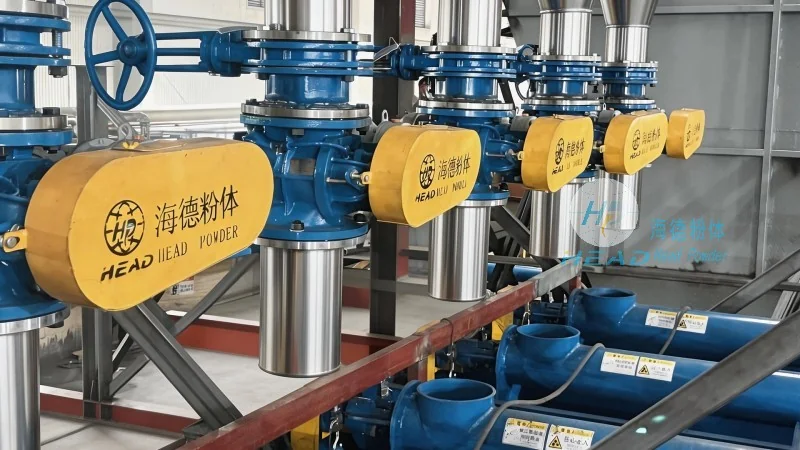
There are several advantages to using a nitrogen circulating pneumatic conveying system, especially in industries where material contamination or dust control is critical. The closed-loop system ensures that the conveying medium is not exposed to the external environment, reducing the risk of contamination from ambient air or moisture. This is particularly important for transporting sensitive materials like pharmaceuticals, food products, or chemicals. Additionally, the system's energy efficiency is higher compared to traditional pneumatic conveying systems, as the nitrogen gas is recirculated rather than being exhausted.
Another advantage is the ability to handle a wide range of materials, from fine powders to bulk granules. The system's flexibility allows for customization based on the specific material characteristics and process requirements. Furthermore, the system can be designed to operate in various environments, including hazardous or explosion-proof settings, by incorporating appropriate safety features and materials.
Applications and Industries
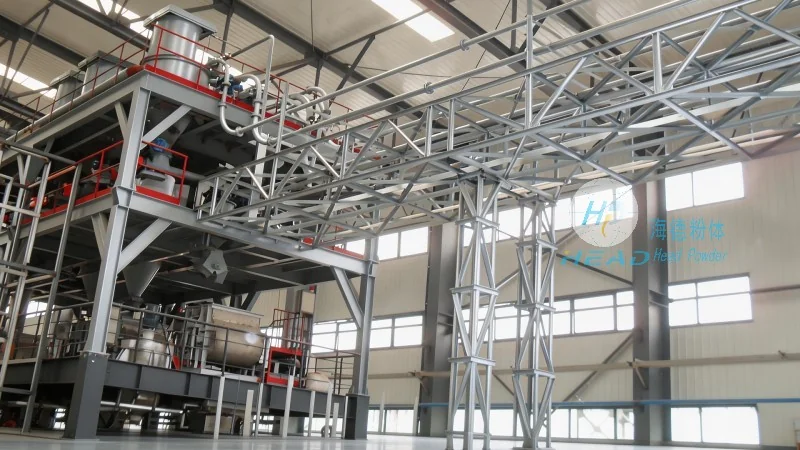
Nitrogen circulating pneumatic conveying systems are widely used in various industries due to their versatility and efficiency. In the pharmaceutical industry, these systems are used to transport active pharmaceutical ingredients (APIs) and other sensitive materials, ensuring product purity and quality. In the food and beverage industry, they are employed to handle powders like flour, sugar, and spices, maintaining hygiene and preventing contamination. The chemical industry also utilizes these systems for transporting chemicals, including powders and granules, in both manufacturing and processing stages. Additionally, the system is used in the cement, minerals, and agricultural sectors for material handling and processing.
Conclusion and Company Overview
Understanding the design principles and operational mechanisms of nitrogen circulating pneumatic conveying systems is essential for optimizing material handling processes in various industries. The systems offer numerous advantages, including energy efficiency, material contamination control, and flexibility in handling different materials. As a leading provider in this field, Shandong HeadPowder Engineering Co., Ltd. specializes in designing and manufacturing high-quality pneumatic conveying systems tailored to meet the specific needs of clients. With a focus on innovation and quality, the company ensures that its systems are reliable, efficient, and compliant with industry standards. Based in Shandong, China, Shandong HeadPowder Engineering Co., Ltd. serves a wide range of industries, providing comprehensive solutions for material handling challenges.