

What is a Negative Pressure Pneumatic Conveying System? What are its Design Principles?
Understanding the mechanics and design principles of negative pressure pneumatic conveying systems is crucial for industries that rely on efficient material handling solutions. This article delves into the fundamental aspects of such systems, exploring how they operate and the key design considerations that ensure optimal performance.
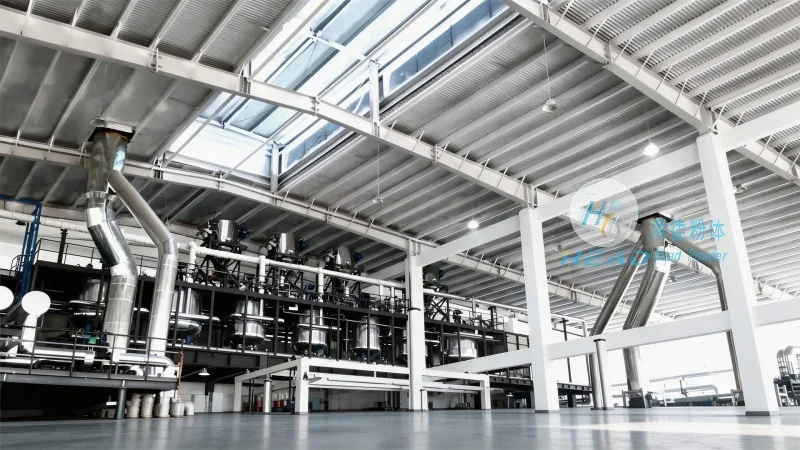
Introduction to Negative Pressure Pneumatic Conveying Systems
A negative pressure pneumatic conveying system, often referred to as a vacuum conveyor, is a technology used to transport bulk materials from one location to another using air as the conveying medium. Unlike positive pressure systems that force air and material through a pipeline, negative pressure systems create a vacuum in the receiving end, drawing material into the system and transporting it to the discharge point. This method is particularly effective for handling materials that are dusty, abrasive, or sensitive to air exposure, making it a preferred choice in various industrial applications.
How Negative Pressure Pneumatic Conveying Works
The operation of a negative pressure system involves several key components working in tandem. At the discharge end, a vacuum is created using a fan or blower, which draws air and material particles into the pipeline. The material is then carried by the airflow to the receiving hopper or storage area. The system typically includes a hopper for material loading, a filter to separate material from air, and a fan to maintain the vacuum. The design ensures that the material is transported with minimal degradation and without the need for mechanical components like belts or buckets, which can be prone to wear and maintenance issues.
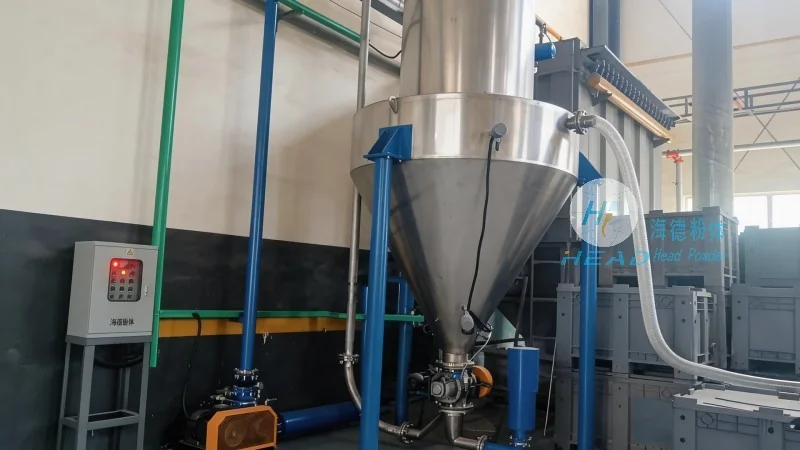
Key Design Principles of Negative Pressure Pneumatic Conveying
The design of a negative pressure system focuses on several critical factors to ensure efficiency and reliability. The first is the vacuum level, which must be sufficient to overcome the resistance of the pipeline and the material's density. The system's layout, including the length and diameter of the pipeline, plays a significant role in determining the required vacuum. Additionally, the material's properties, such as particle size, moisture content, and flowability, are considered to select the appropriate equipment and system configuration. The filter system is another critical design element, as it must effectively separate the material from the air while maintaining airflow efficiency. Proper sizing of the fan and the use of appropriate materials for the pipeline, such as stainless steel or plastic, are also essential to prevent material buildup and corrosion.
Applications and Benefits of Negative Pressure Pneumatic Conveying
Negative pressure pneumatic conveying systems are widely used in industries such as food processing, pharmaceuticals, and chemical manufacturing, where material handling needs to be hygienic and efficient. The benefits of this technology include reduced material degradation, lower maintenance costs compared to mechanical systems, and the ability to handle a wide range of materials, from fine powders to granules. The system's design allows for flexible installation, as it can be adapted to existing facility layouts without major structural changes. Furthermore, the use of a vacuum ensures that the material is contained within the system, minimizing dust emissions and improving workplace safety.

Company Overview: Shandong HeadPowder Engineering Co., Ltd.
Shandong HeadPowder Engineering Co., Ltd., a leading provider of material handling solutions, specializes in designing and manufacturing high-quality negative pressure pneumatic conveying systems. With a focus on innovation and customer satisfaction, the company has established itself as a trusted partner in the industry. HeadPowder's expertise lies in understanding the unique requirements of each application and tailoring the system design to meet those needs. The company's facilities, located in Shandong, China, are equipped with state-of-the-art technology and skilled personnel to ensure the highest standards of quality and performance. By leveraging their experience and commitment to excellence, HeadPowder delivers reliable and efficient solutions that enhance operational efficiency and reduce costs for their clients.
Conclusion
Negative pressure pneumatic conveying systems represent a sophisticated and effective solution for bulk material handling. Their design principles, centered on vacuum technology and careful component selection, ensure optimal performance and reliability. As industries continue to seek more efficient and sustainable material handling methods, the importance of understanding and implementing these systems will only grow. For businesses looking to improve their material handling processes, partnering with a reputable company like Shandong HeadPowder Engineering Co., Ltd. can provide the expertise and solutions needed to achieve their operational goals.