

What is a Disposable Polystyrene Pneumatic Conveying Equipment? What Are Its Design Principles?
Polystyrene pneumatic conveying equipment is a specialized system designed for the efficient and safe transport of polystyrene materials. This equipment is particularly valuable in industries where lightweight, non-porous, and easily handled materials are required. The system utilizes air as the primary medium to move polystyrene particles through a network of pipes and components, offering a flexible and cost-effective solution for material handling. Understanding the core functionality and design principles of such equipment is crucial for selecting the right system for specific industrial applications.
Key Components and Working Principle
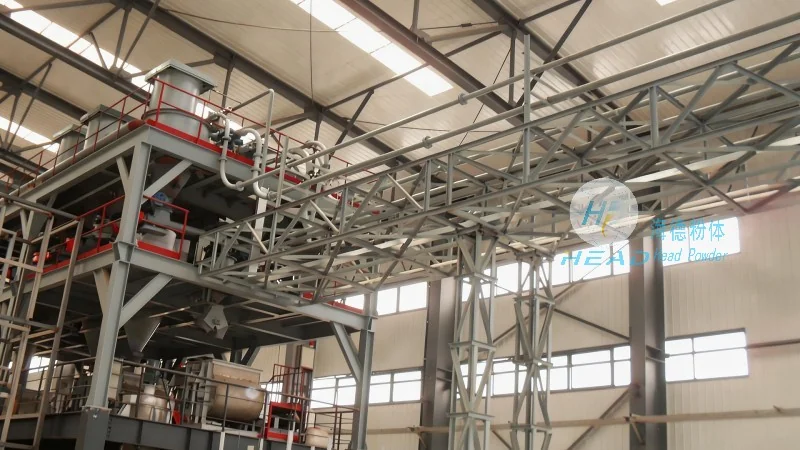
The operation of a polystyrene pneumatic conveying system relies on several key components that work in concert to achieve material transport. The primary components include a hopper for material storage, a blower or compressor to generate the necessary air pressure, a conveying line (typically made of stainless steel or other corrosion-resistant materials), and a receiver or collection unit. The process begins with polystyrene material being fed into the hopper. The blower then creates a low-pressure or high-pressure airflow, depending on the system design, which draws the material particles into the conveying line. As the air flows through the pipe, it carries the polystyrene particles along, ensuring they are transported to the desired destination. The design of the conveying line, including its diameter, length, and bends, is critical to maintaining the efficiency of the system and preventing material degradation or blockages. Properly sized and positioned components, such as in-line filters and cyclones, are also essential to ensure clean and consistent material delivery.
Design Principles for Optimal Performance
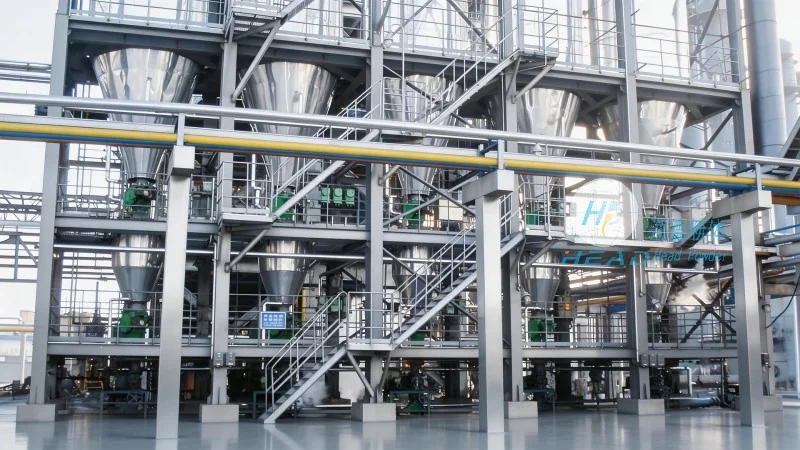
The design of polystyrene pneumatic conveying equipment is guided by several fundamental principles aimed at maximizing efficiency, reliability, and safety. One of the primary design considerations is the material's physical properties, such as its density, particle size, and flowability. Polystyrene is known for its low density and relatively light weight, which influences the air velocity required for effective transport. Engineers must calculate the appropriate air velocity to ensure that the material particles are entrained and transported without excessive pressure drop or energy consumption. Another critical design principle is the system's pressure drop, which is the reduction in air pressure as it moves through the conveying line. Minimizing pressure drop is essential to maintain the system's efficiency and reduce energy costs. This is achieved through the use of smooth, well-designed pipe systems and appropriate component selection. Additionally, the design must account for the potential for material buildup or blockages, particularly in bends or narrow sections of the conveying line. To mitigate this risk, engineers incorporate features like pulse-jet cleaning systems or self-cleaning filters that help maintain the system's performance over time. The choice of materials for the conveying components is also a key design decision. Since polystyrene is a non-porous material that can be prone to static charge buildup, the use of anti-static materials or grounding systems is often incorporated into the design to prevent static-related issues and ensure safe operation.
Applications and Benefits
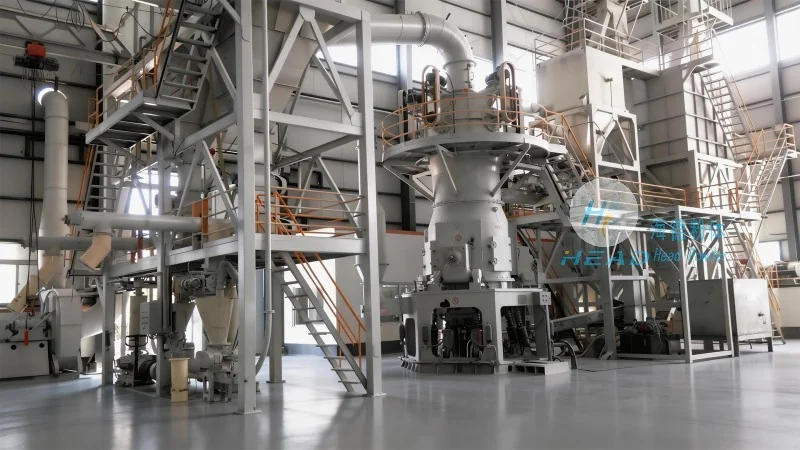
Disposable polystyrene pneumatic conveying equipment is widely used in various industries due to its versatility and efficiency. Common applications include the transport of polystyrene beads, granules, or powder in manufacturing processes, such as in the production of foam products, packaging materials, or insulation. The system is particularly advantageous in environments where traditional mechanical conveying methods may be impractical or inefficient, such as in facilities with limited space or where the material is highly sensitive to contamination. The benefits of using this equipment include reduced labor costs, as the system can operate with minimal human intervention, and improved safety, as it eliminates the need for manual handling of potentially dusty or hazardous materials. Additionally, the system's ability to handle a wide range of material sizes and shapes makes it suitable for diverse industrial needs. The use of disposable components, such as the hopper and collection unit, also simplifies maintenance and reduces downtime, as these parts can be easily replaced when worn or contaminated.
About Shandong HeadPowder Engineering Co., Ltd.
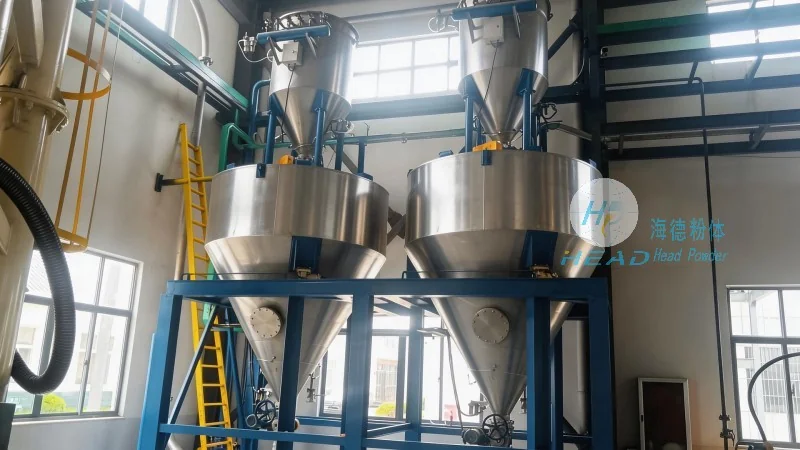
Shandong HeadPowder Engineering Co., Ltd., commonly known as HeadPowder, is a leading manufacturer and supplier of specialized material handling equipment, including polystyrene pneumatic conveying systems. With a strong focus on innovation and customer satisfaction, HeadPowder has established itself as a trusted partner in the industry. The company's headquarters is located in Shandong, China, where it operates a state-of-the-art manufacturing facility equipped with advanced technology and skilled personnel. HeadPowder's team of engineers and technicians work closely with clients to understand their specific material handling challenges and design customized solutions that meet their unique requirements. The company's commitment to quality is evident in its adherence to international standards and rigorous testing protocols for all products. HeadPowder provides comprehensive support, including installation, maintenance, and technical assistance, to ensure that clients can maximize the performance and lifespan of their equipment. By combining expertise in material science, engineering, and industrial applications, HeadPowder delivers reliable and efficient solutions that help businesses improve productivity and reduce operational costs.