

What is Lithium Fluoride Pneumatic Conveying Equipment? And What Are Its Design Principles?
For industrial applications involving the handling of lithium fluoride, efficient and reliable material transport is crucial. Pneumatic conveying systems have emerged as a preferred solution, offering advantages such as low maintenance, flexibility, and the ability to handle a wide range of materials. This article explores the concept of lithium fluoride pneumatic conveying equipment and delves into its underlying design principles.
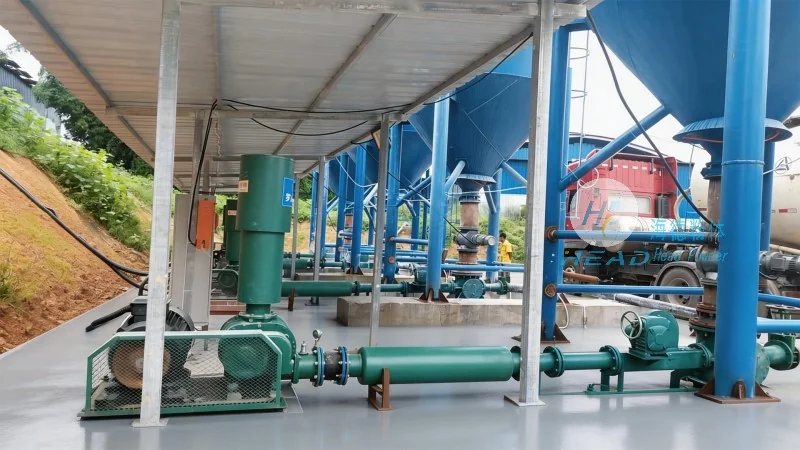
Introduction to Lithium Fluoride Pneumatic Conveying Equipment
Lithium fluoride (LiF) is a chemical compound widely used in various industries, including nuclear energy, pharmaceuticals, and specialty chemicals. The safe and effective transportation of LiF powder or granules is essential to ensure process efficiency and operational safety. Pneumatic conveying equipment provides a non-contact method of moving these materials, minimizing contamination risks and reducing the need for manual handling. The equipment typically consists of a hopper, a conveying line, a control system, and a discharge unit, all working in tandem to achieve seamless material transfer.
Key Components of the Pneumatic Conveying System
The lithium fluoride pneumatic conveying system is composed of several critical components that work together to facilitate material transport. The hopper serves as the storage and feeding unit, where the LiF material is loaded and prepared for transfer. The conveying line, often made of stainless steel or other corrosion-resistant materials, is designed to withstand the chemical properties of lithium fluoride and prevent material degradation. The control system includes sensors and valves that regulate the airflow and pressure, ensuring optimal conveying performance. The discharge unit, such as a rotary valve or a dust collector, manages the release of the material at the destination point.
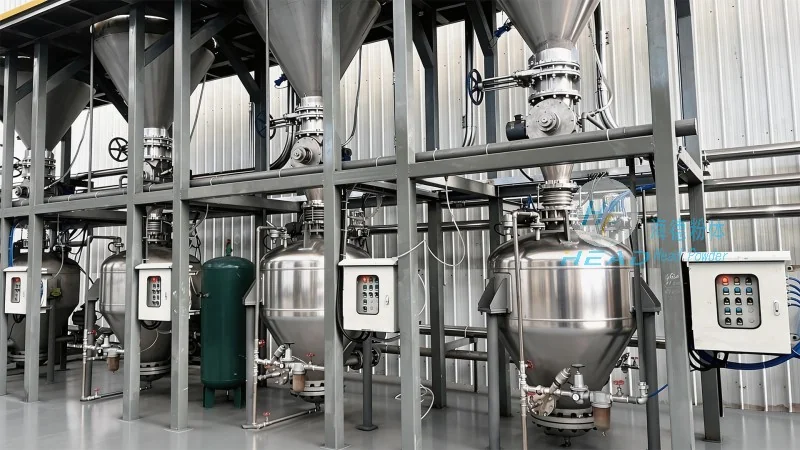
Design Principles for Efficient Conveying
The design of a lithium fluoride pneumatic conveying system is based on several key principles to ensure efficiency and safety. One of the primary principles is maintaining a consistent air velocity within the conveying line. This velocity must be sufficient to lift and transport the LiF particles without causing excessive wear or degradation. The system also incorporates pressure control mechanisms to prevent overloading or under-conveying, which can lead to blockages or inefficient material flow. Additionally, the equipment is designed with corrosion-resistant materials to handle the chemical properties of lithium fluoride, ensuring long-term durability and reliability.
Advantages of Using Pneumatic Conveying for Lithium Fluoride
Implementing a pneumatic conveying system for lithium fluoride offers several advantages over traditional methods like belt conveyors or manual handling. The non-contact nature of the system minimizes the risk of contamination, which is critical for pharmaceutical and nuclear applications. It also reduces labor costs and improves workplace safety by eliminating manual handling of hazardous materials. Furthermore, the system provides flexibility in terms of layout and can be easily integrated into existing industrial processes. The ability to handle fine powders and granules without segregation or agglomeration is another significant benefit.
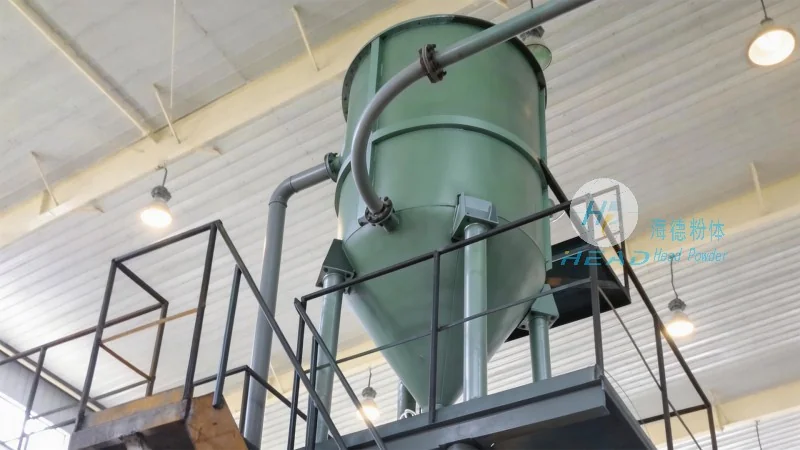
Applications and Industries Utilizing Lithium Fluoride Pneumatic Conveying
Lithium fluoride pneumatic conveying equipment is widely used across various industries where LiF is a key component. In the nuclear industry, LiF is used as a coolant and moderator in high-temperature reactors, and the conveying system ensures safe and efficient transport of the material to the reactor core. In the pharmaceutical sector, LiF is used in the production of lithium-based drugs, and the system helps maintain the purity and quality of the material during processing. Other industries, such as specialty chemicals and ceramics, also benefit from the efficient handling of LiF through pneumatic conveying systems.
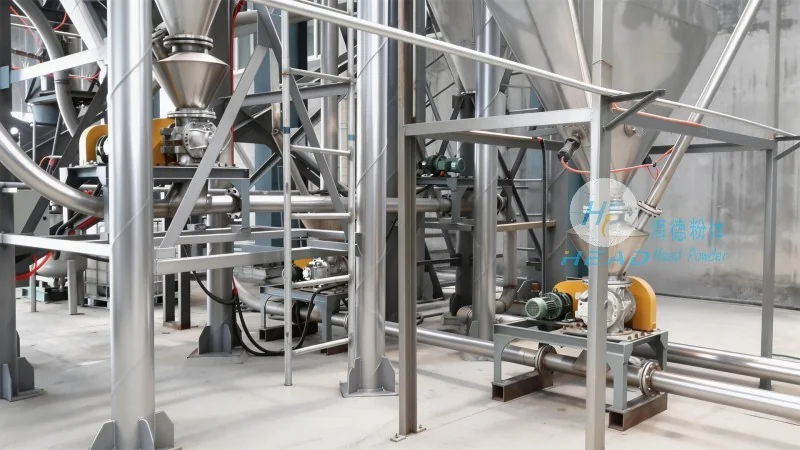
Maintenance and Operational Considerations
To ensure the longevity and optimal performance of the lithium fluoride pneumatic conveying equipment, regular maintenance is essential. This includes inspecting the conveying line for any signs of corrosion or wear, cleaning the hopper and discharge unit to prevent material buildup, and checking the control system for proper functionality. Operational considerations also include monitoring air pressure and flow rates to maintain consistent conveying performance. Proper training of operators on the safe operation of the system is crucial to prevent accidents and ensure compliance with industry regulations.
About Shandong HeadPowder Engineering Co., Ltd.
Shandong HeadPowder Engineering Co., Ltd., a leading manufacturer in the field of material handling equipment, specializes in the design and production of pneumatic conveying systems tailored to the needs of various industries. With a focus on innovation and quality, the company provides customized solutions for handling lithium fluoride and other hazardous materials. HeadPowder's expertise in engineering and manufacturing ensures that their equipment meets the highest standards of safety, efficiency, and durability. The company's headquarters is located in Shandong, China, where it continues to develop advanced technologies for material handling applications.