

What is an Alumina Pneumatic Conveying System? And What Are Its Design Principles?
Alumina, a critical raw material in the production of ceramics, refractories, and other high-value industrial products, often requires efficient and reliable transportation methods to move it from one processing stage to another. This is where alumina pneumatic conveying systems come into play, offering a solution that combines performance, safety, and operational efficiency. In this article, we will explore what an alumina pneumatic conveying system is and delve into its fundamental design principles.
Understanding Alumina Pneumatic Conveying Systems
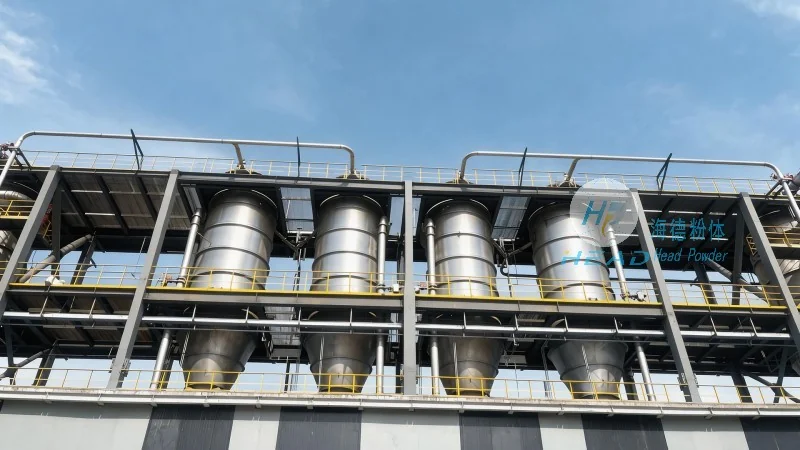
At its core, an alumina pneumatic conveying system is a technology that uses compressed air or other gas to transport dry, powdered materials like alumina through a pipeline. This method is particularly advantageous for handling fine powders, as it eliminates the need for mechanical components that might cause material degradation or contamination. The system typically consists of several key components, including a hopper for material storage, a feeder to control the flow rate, a pipeline network to transport the material, and a receiver or discharge point where the material is collected.
Key Design Principles for Alumina Pneumatic Conveying
The design of an effective alumina pneumatic conveying system is governed by several critical principles that ensure optimal performance, minimal wear, and long-term reliability. These principles are tailored to the unique properties of alumina, such as its particle size, density, and flow characteristics.
1. Air Velocity and Pressure Management
One of the most crucial design considerations is maintaining the appropriate air velocity and pressure within the conveying pipeline. The air velocity must be high enough to keep the alumina particles suspended and prevent them from settling or clogging the system. However, excessive velocity can lead to increased wear on components and higher energy consumption. The pressure levels are carefully calculated to balance the need for sufficient force to move the material against the constraints of the system's infrastructure. Engineers at Shandong HeadPowder Engineering Co., Ltd. utilize advanced computational fluid dynamics (CFD) and empirical data to determine the optimal velocity and pressure parameters for specific alumina types and pipeline configurations.
2. Material Handling and Feeder Design
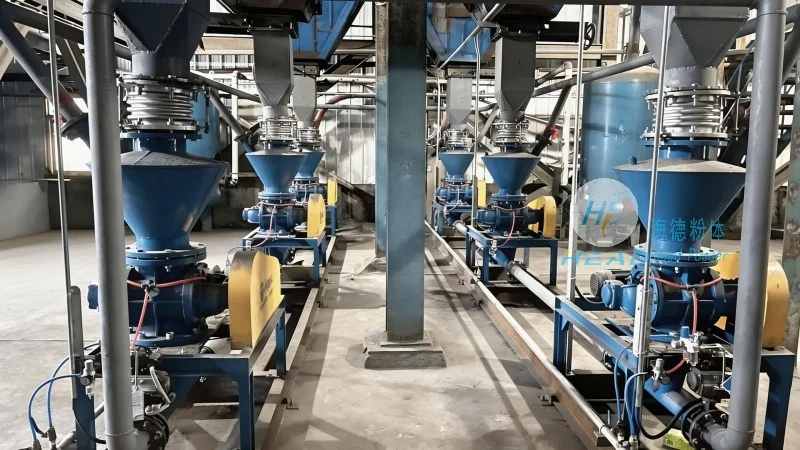
The feeder is a critical component that controls the flow rate of alumina into the system. For alumina, which can be cohesive or have varying particle sizes, a well-designed feeder is essential to prevent blockages and ensure a consistent feed. Shandong HeadPowder Engineering Co., Ltd. often employs rotary valves, star feeders, or screw feeders, depending on the material's properties. These feeders are designed to handle the specific characteristics of alumina, such as its tendency to agglomerate or its low bulk density, to maintain a smooth and continuous flow.
3. Pipeline and Component Selection
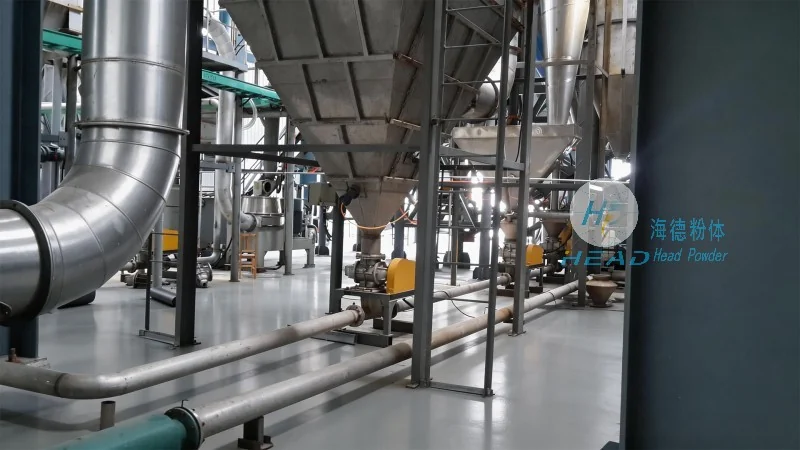
The choice of pipeline material and components is another key design aspect. Alumina particles are abrasive and can cause significant wear on metal surfaces over time. Therefore, materials like stainless steel, polyethylene, or specialized coatings are often used to protect the pipeline and fittings. The pipeline diameter is also carefully selected to match the flow rate and particle size, ensuring that the system operates efficiently without excessive pressure drop. Additionally, the system includes features like bends, elbows, and expansion joints to accommodate changes in direction and reduce pressure losses.
4. System Integration and Control
A modern alumina pneumatic conveying system is not just a collection of components but an integrated network that requires precise control. This includes monitoring air pressure, flow rates, and material levels in real-time. The control system, often integrated with sensors and automation technology, ensures that the system operates within optimal parameters, preventing overloading, underflow, or other operational issues. Shandong HeadPowder Engineering Co., Ltd. emphasizes the importance of a robust control system to enhance the reliability and efficiency of the alumina conveying process.
Benefits of Using Alumina Pneumatic Conveying Systems
Implementing an alumina pneumatic conveying system offers several advantages over traditional mechanical conveying methods. First, it provides a dust-free and enclosed environment, which is critical for maintaining product quality and ensuring workplace safety. Second, the system is highly flexible, allowing for changes in material flow direction and capacity without major modifications. Third, it reduces the risk of material contamination and degradation, which is particularly important for high-purity alumina used in advanced applications. Finally, the system can be integrated with other processing equipment, streamlining the overall production workflow.
Conclusion
Alumina pneumatic conveying systems are a sophisticated and essential technology for the efficient handling of alumina in industrial applications. The design principles, including air velocity management, feeder selection, pipeline materials, and integrated control systems, are critical to ensuring the system's performance and longevity. Companies like Shandong HeadPowder Engineering Co., Ltd. play a vital role in designing and implementing these systems, leveraging their expertise to meet the specific needs of alumina processing facilities. By adhering to these design principles, alumina manufacturers can achieve improved operational efficiency, product quality, and overall process reliability.