

Bean Cake Pneumatic Conveying System Principle
HeadPowder, a leading provider of industrial conveying solutions, specializes in the design and implementation of pneumatic conveying systems tailored for bean cake applications. This article delves into the fundamental principles behind these systems, highlighting their operational mechanics, benefits, and the technical considerations that ensure efficient material handling in agricultural and food processing industries.
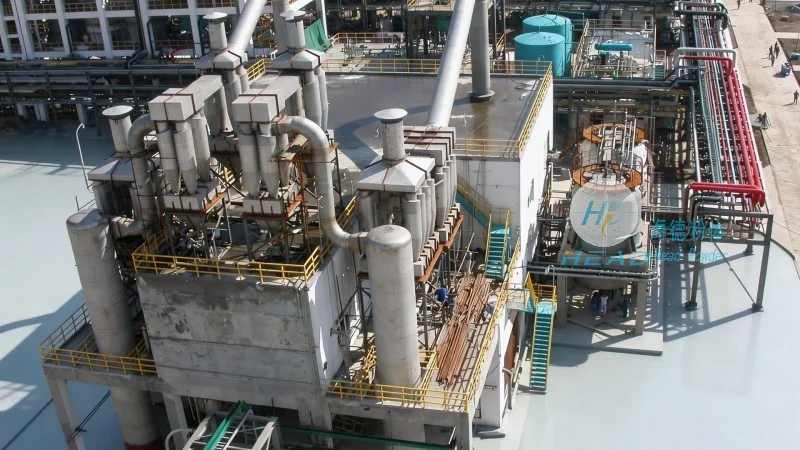
Understanding Pneumatic Conveying Technology
Pneumatic conveying systems utilize air or gas to transport bulk materials like bean cake from one location to another. Unlike traditional mechanical conveyors, these systems offer a flexible and efficient method for moving materials, especially in environments where dust control and hygiene are critical. The core principle involves creating a pressure differential that propels the material through a pipeline using air flow.
Key Components of a Bean Cake Pneumatic Conveying System
At the heart of any pneumatic conveying system for bean cake are several critical components. These include the material feed hopper, which holds the bean cake and regulates the flow into the system; the air compressor or blower, which generates the necessary air pressure; the conveying line, typically made of stainless steel or other corrosion-resistant materials to withstand the material's properties; and the receiver or discharge hopper, where the material is deposited at the destination.
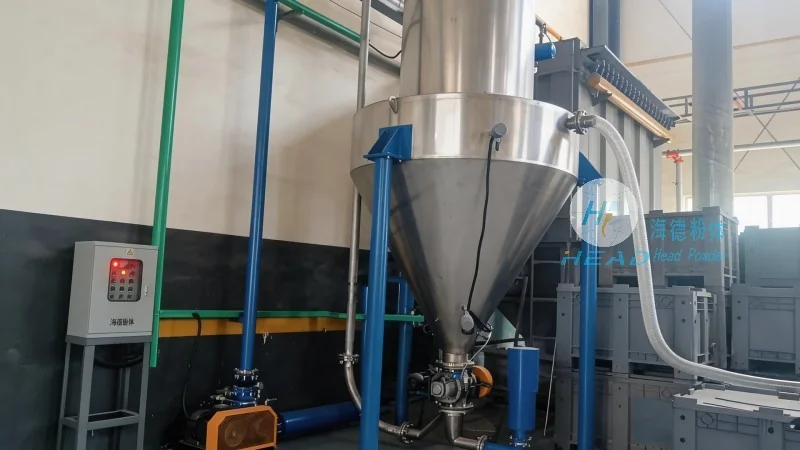
How the System Operates: A Step-by-Step Process
The operation of a bean cake pneumatic conveying system follows a systematic process. First, the bean cake is fed into the hopper from a storage silo or processing unit. The material then falls into a rotary valve or feeder, which controls the flow rate and ensures a consistent stream. Simultaneously, the air compressor draws in ambient air and compresses it to the required pressure. The compressed air is then introduced into the conveying line, where it mixes with the bean cake particles. The air flow creates a slurry of material and air, which travels through the pipeline to the discharge point. At the receiver, the air is separated from the bean cake, often using a cyclone separator or filter, and the air is either vented or recirculated to enhance efficiency.
Advantages of Using Pneumatic Conveying for Bean Cake
Implementing a pneumatic conveying system for bean cake offers numerous advantages over traditional methods. One of the primary benefits is the ability to handle materials with high moisture content or sticky properties, as the air flow prevents material buildup and blockages. Additionally, these systems provide excellent dust control, reducing the risk of contamination and improving workplace safety. The flexibility of pneumatic conveyors allows for easy integration into existing processing lines, with the ability to change the direction or length of the conveying line as needed. Furthermore, they can operate in a closed system, minimizing environmental impact and odor control issues.
Technical Considerations and Design Factors
When designing a pneumatic conveying system for bean cake, several technical factors must be considered to ensure optimal performance. The first is the material's characteristics, such as particle size, density, and moisture content, which affect the air velocity required for efficient transport. The system's capacity, determined by the desired throughput rate, influences the size of the air compressor and the diameter of the conveying line. Additionally, the system's layout, including the vertical and horizontal distances between feed and discharge points, impacts the pressure drop and energy consumption. HeadPowder engineers carefully analyze these factors to design a system that meets the specific needs of each client, ensuring reliability and efficiency.
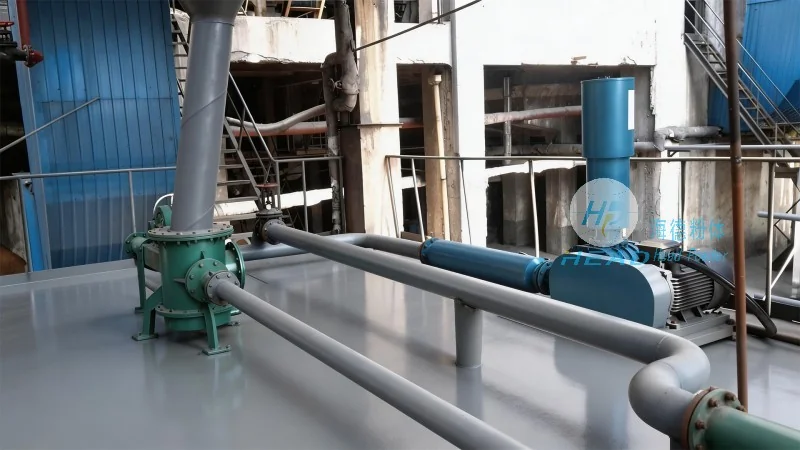
Applications and Industries
Bean cake pneumatic conveying systems are widely used in various industries, particularly in the agricultural and food processing sectors. These systems are commonly employed in feed mills, where bean cake is transported from storage to processing equipment like extruders or mixers. They are also used in biofuel production facilities, where bean cake is conveyed to digesters or reactors. The versatility of these systems makes them suitable for any application requiring the efficient and hygienic transport of bulk materials, ensuring that the material remains intact and free from contamination throughout the process.
Conclusion
HeadPowder Engineering Co., Ltd., based in Shandong, China, is a trusted partner in providing advanced pneumatic conveying solutions for bean cake applications. By leveraging the principles of pneumatic conveying technology, these systems offer a reliable, efficient, and hygienic method for material handling. With a focus on custom design and robust engineering, HeadPowder ensures that each system meets the unique requirements of its clients, delivering long-term performance and operational excellence. For businesses seeking to optimize their bean cake handling processes, a pneumatic conveying system from HeadPowder is a smart investment in productivity and quality.