

Principle of Wheat Bran Pneumatic Conveying System
Wheat bran, a byproduct of the milling process, is widely utilized in industries such as animal feed, food processing, and biofuel production. Efficient and reliable transportation of wheat bran is essential for maintaining production efficiency and product quality. The pneumatic conveying system, specifically designed for wheat bran, offers a solution that addresses the challenges associated with handling this material. This article explores the fundamental principles and operational mechanisms of a wheat bran pneumatic conveying system, highlighting its benefits and technical considerations.
About Shandong HeadPowder Engineering Co., Ltd.
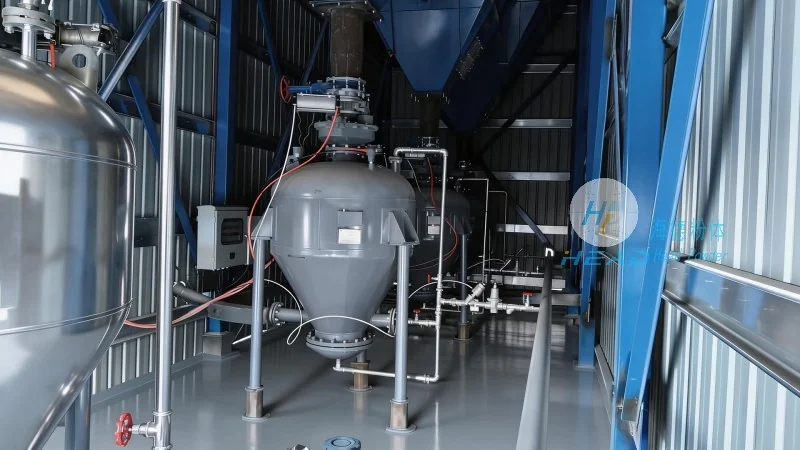
Headpowder, a professional manufacturer behind this advanced conveying technology, is a leading company in the field of powder and bulk material handling solutions. With years of experience and a commitment to innovation, Headpowder specializes in designing and supplying customized pneumatic conveying systems tailored to the specific needs of its clients. The company's headquarters is located in Shandong, China, where it leverages local expertise and resources to develop high-quality equipment that meets international standards. Headpowder's team of engineers and technicians works closely with clients to understand their operational requirements, ensuring that the final system is both efficient and cost-effective.
Core Components of the Pneumatic Conveying System
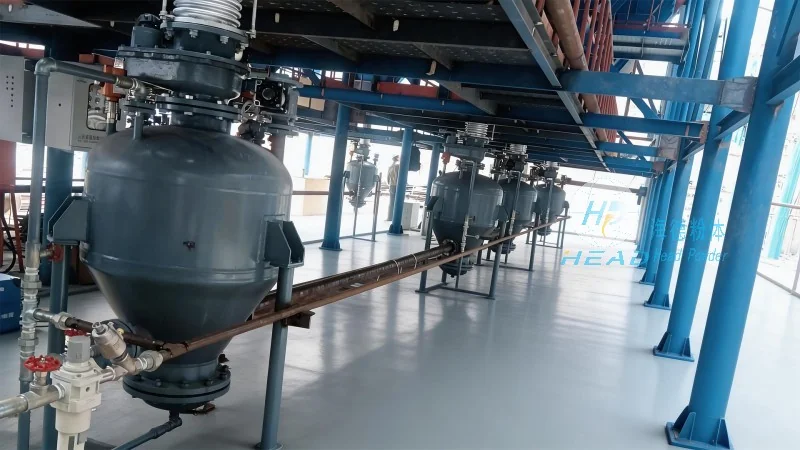
The wheat bran pneumatic conveying system comprises several key components that collaborate to transport the material from the source to the destination. The primary components include the hopper, feeder, air compressor, pipeline, and receiver. The hopper functions as the storage vessel, holding the wheat bran until it is ready for conveyance. The feeder, typically a rotary valve or a screw feeder, regulates the flow of material into the system, ensuring a consistent and controlled discharge rate. The air compressor generates the necessary pressure to move the material through the pipeline. The pipeline, constructed from durable materials like stainless steel or plastic, is designed to withstand the abrasive nature of wheat bran and maintain the integrity of the material during transport. The receiver collects the conveyed wheat bran at the destination point, completing the process.
How the Pneumatic Conveying Process Works
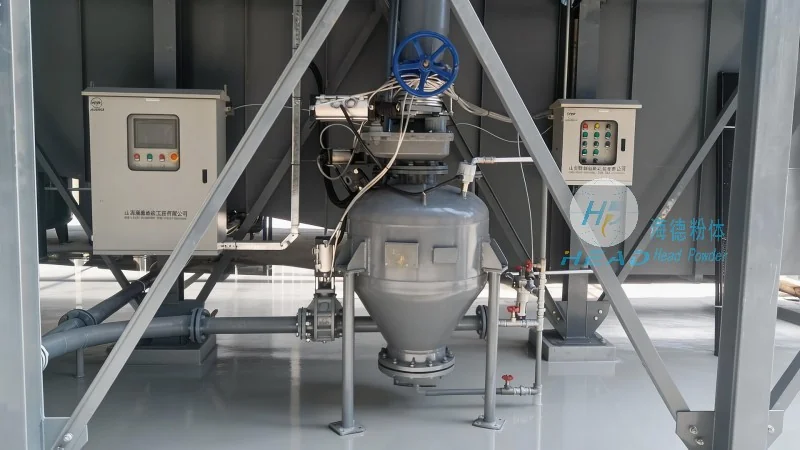
The operation of the wheat bran pneumatic conveying system follows a systematic process. Initially, the wheat bran is fed into the hopper from a storage silo or a processing unit. The feeder then meters the material and releases it into the pipeline. Simultaneously, the air compressor supplies compressed air into the pipeline, creating a flow that propels the wheat bran particles. The air and material mixture travels through the pipeline, with the air providing the necessary kinetic energy to move the material. The receiver at the end of the pipeline collects the wheat bran, and the air is either vented or recycled back to the compressor. This continuous cycle ensures a steady flow of wheat bran, minimizing downtime and maximizing production efficiency. The system's design allows for both positive and negative pressure operation, providing flexibility in different application scenarios.
Advantages of Using a Pneumatic Conveying System for Wheat Bran
Implementing a pneumatic conveying system for wheat bran offers numerous advantages over traditional methods such as belt conveyors or bucket elevators. Firstly, it eliminates the need for mechanical contact with the material, reducing the risk of contamination and maintaining product purity. This is particularly important in food processing applications where hygiene is critical. Secondly, the system is highly efficient in terms of energy consumption, as it uses compressed air to move the material, which is more energy-efficient compared to mechanical systems. Thirdly, the system is compact and requires less floor space, making it suitable for installations with limited space. Additionally, the pneumatic conveying system is capable of handling a wide range of material sizes and moisture contents, making it versatile for various applications. The system also provides better control over the material flow, allowing for precise regulation of the discharge rate and preventing overloading or underloading of the receiver.
Technical Considerations and Maintenance
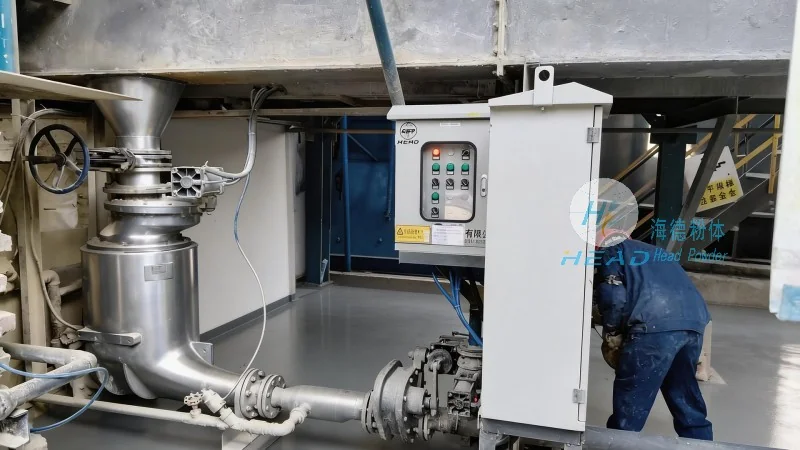
While the pneumatic conveying system offers significant benefits, proper design and maintenance are essential to ensure optimal performance. The selection of the air compressor is critical, as it must provide sufficient pressure and flow rate to handle the specific characteristics of wheat bran, such as its density and particle size. The pipeline diameter and length also need to be carefully considered to avoid excessive pressure drop and ensure smooth material flow. Regular maintenance, including cleaning of the hopper, feeder, and pipeline, is necessary to prevent clogging and maintain the system's efficiency. Additionally, monitoring the air pressure and flow rate can help identify any issues early, allowing for timely maintenance and preventing system downtime. Headpowder provides comprehensive support, including installation, training, and after-sales service, to ensure that clients can operate the system effectively and maintain its performance over time.