

Principle of Bran Pneumatic Conveying System
The Bran Pneumatic Conveying System is a sophisticated industrial solution designed to efficiently transport bran, a byproduct of grain processing, from one location to another. This system leverages the principles of pneumatic transport, utilizing air as the medium to move bulk materials through a network of pipes and components. The technology is widely adopted in the food processing industry, particularly in facilities that handle grain products, as it offers advantages such as reduced contamination, improved hygiene, and enhanced operational efficiency.
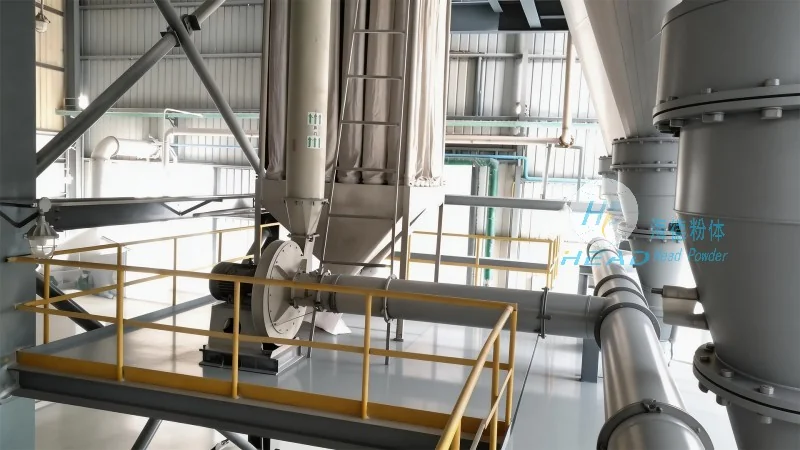
Core Components and Their Functions
At the heart of a bran pneumatic conveying system are several key components that work in tandem to ensure smooth material transfer. The primary components include the hopper, which serves as the storage and feeding unit for the bran; the air compressor, responsible for generating the necessary air pressure to drive the material; the conveying line, typically made of stainless steel or other corrosion-resistant materials to handle the bran's moisture and potential abrasiveness; and the control system, which regulates the flow of air and material to maintain optimal performance.
Each component plays a critical role in the overall operation. The hopper ensures a consistent feed of bran, preventing blockages and maintaining a steady flow. The air compressor provides the force needed to move the bran through the system, with adjustable pressure settings to accommodate different material characteristics and system requirements. The conveying line is designed to withstand the abrasive nature of bran, which can cause wear over time, and is often equipped with cleaning mechanisms to prevent clogging. The control system, often integrated with sensors and automation, allows operators to monitor and adjust the system in real-time, ensuring safety and efficiency.
Working Principle of Pneumatic Conveying
The operation of a bran pneumatic conveying system is based on the principle of fluidization and suspension. When air is introduced into the conveying line at a high velocity, it creates a low-pressure zone that draws the bran particles into the air stream. The bran particles become suspended in the air, forming a dense phase flow, which is then transported through the system to the destination point. The system can operate in either positive or negative pressure modes, depending on the application. Positive pressure systems push the material through the line, while negative pressure systems draw the material in, with each mode offering specific advantages based on the layout and distance of the conveying line.
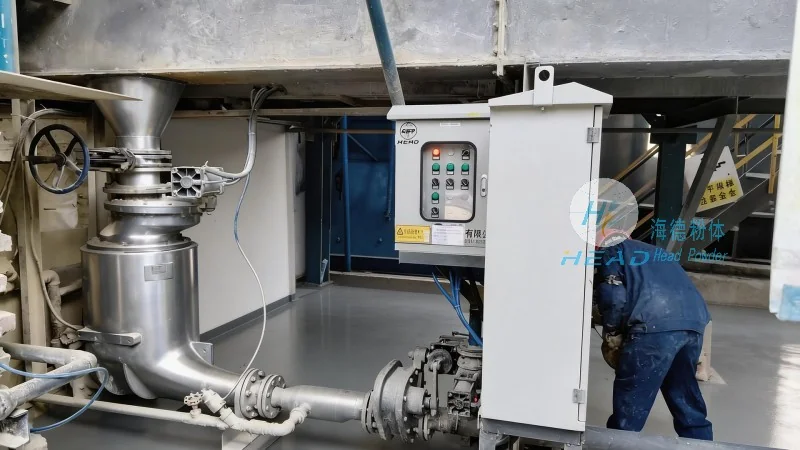
Key factors influencing the efficiency of the system include the air velocity, which must be sufficient to keep the bran particles suspended but not so high as to cause excessive wear on the components; the particle size and density of the bran, which affect the required air pressure and flow rate; and the length and layout of the conveying line, which determine the overall energy consumption and system performance. Proper design and maintenance of these components are crucial to ensure the system operates at peak efficiency and minimizes downtime.
Advantages of Bran Pneumatic Conveying Systems
Compared to traditional mechanical conveying methods, such as screw conveyors or belt conveyors, bran pneumatic conveying systems offer several significant advantages. One of the most notable benefits is the reduction in contamination risk, as the bran is enclosed within the system, preventing exposure to external elements or cross-contamination with other materials. This is particularly important in food processing applications where hygiene and product quality are paramount. Additionally, the system provides better control over the material flow, allowing for precise dosing and batching, which enhances process accuracy and reduces waste.
Another advantage is the improved operational flexibility. Bran pneumatic conveying systems can be easily reconfigured or expanded to accommodate changes in production volume or facility layout, making them a versatile solution for growing businesses. The system also offers lower maintenance requirements compared to mechanical conveyors, as there are fewer moving parts that can wear out or require frequent replacement. This leads to reduced downtime and lower overall maintenance costs over the system's lifespan.
Applications in the Food Processing Industry
Bran pneumatic conveying systems are widely used in various applications within the food processing industry, particularly in facilities that process grain products such as wheat, corn, and oats. Common applications include transporting bran from storage silos to processing equipment, moving bran to packaging lines for inclusion in food products, and conveying bran to waste management systems for disposal or recycling. The system is also used in the production of animal feed, where bran is a valuable ingredient, and in the manufacturing of biofuels, where bran can be used as a feedstock.
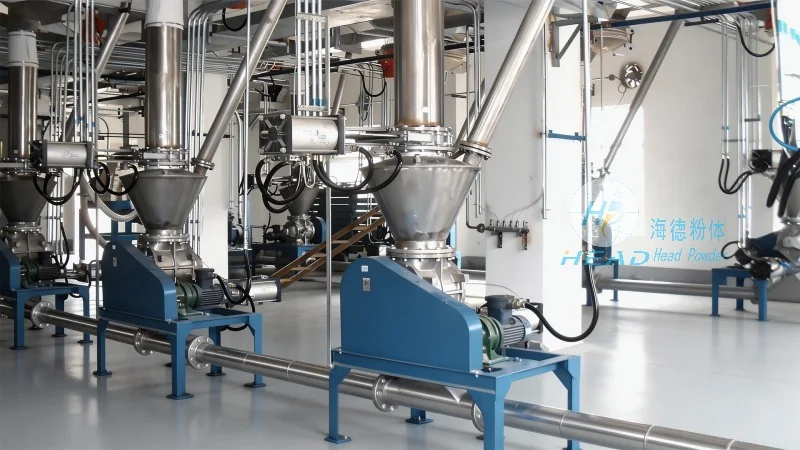
In these applications, the bran pneumatic conveying system ensures that the material is handled gently and efficiently, preserving its quality and nutritional value. The enclosed system prevents the bran from being exposed to air, moisture, or contaminants, which can affect its texture and flavor. This is especially important in the production of high-quality food products, where the consistency and purity of ingredients are critical to consumer satisfaction.
Maintenance and Operational Considerations
Proper maintenance is essential to ensure the long-term performance and reliability of a bran pneumatic conveying system. Regular inspections of the conveying line for signs of wear or clogging are necessary, as well as cleaning the system to remove any accumulated bran or debris. The air compressor should be checked regularly for proper operation and maintenance, including oil changes and filter replacements, to ensure it operates efficiently and without excessive wear. The control system should also be monitored for any signs of malfunction or error, and software updates should be applied as needed to maintain optimal performance.
Operational considerations also include the proper training of personnel operating the system. Operators should be trained on the safe and efficient use of the system, including how to adjust the air pressure and flow rate, how to monitor the system for signs of trouble, and how to perform basic maintenance tasks. This ensures that the system operates safely and efficiently, minimizing the risk of accidents or equipment damage.