

Main Structures of Sand and Gravel Pneumatic Conveying Systems
When it comes to the efficient and reliable transportation of sand and gravel materials, pneumatic conveying systems offer a robust solution. These systems are integral to modern construction and industrial processes, enabling the movement of bulk materials over long distances with minimal maintenance and operational complexity. The core structures of such systems are designed to handle the unique challenges posed by sand and gravel, including their abrasive nature and varying particle sizes. Understanding these main structures is crucial for selecting the right equipment and ensuring optimal performance in material handling applications.
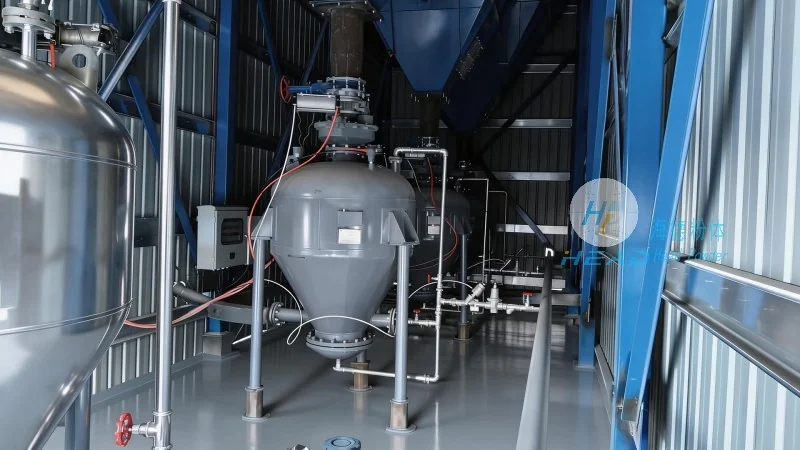
Key Components of Sand and Gravel Pneumatic Conveying Systems
The pneumatic conveying system for sand and gravel typically consists of several interconnected components that work in harmony to transport materials from the source to the destination. Each component plays a vital role in the overall efficiency and effectiveness of the system. The primary structures include the material feed unit, the conveying pipeline, the air supply system, the separation and filtration unit, and the discharge or collection equipment. These components are engineered to handle the specific characteristics of sand and gravel, such as high abrasiveness and varying particle sizes, ensuring durability and consistent performance.
1. Material Feed Unit: The Foundation of Pneumatic Conveying
The material feed unit is the initial component where sand and gravel are introduced into the system. This unit is designed to handle bulk materials and ensure a consistent flow into the conveying pipeline. For sand and gravel, common feed mechanisms include rotary valves, screw feeders, or pressure feeders. These devices are chosen based on the material's properties and the required flow rate. The feed unit must be robust enough to withstand the abrasive nature of sand and gravel, preventing wear and tear over time. Additionally, it should be equipped with features like material level sensors and flow control to maintain a steady supply of material to the system. The proper design of the feed unit is critical as it directly impacts the system's overall efficiency and prevents blockages or uneven material flow.
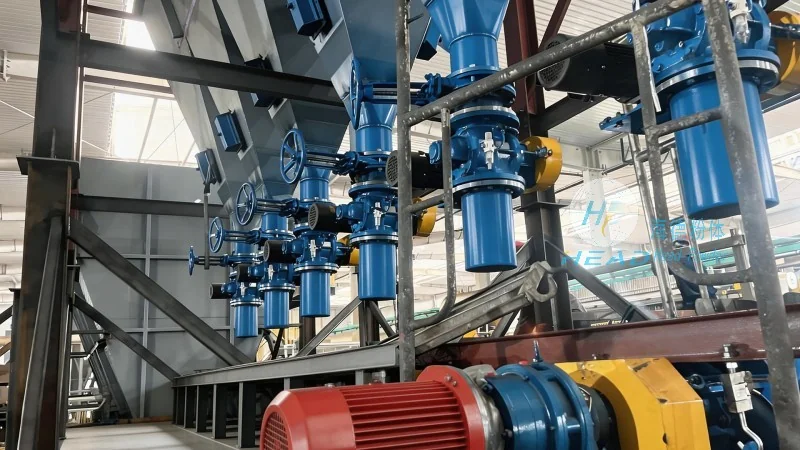
2. Conveying Pipeline: The Pathway for Material Transport
The conveying pipeline is the central structure that transports sand and gravel through the pneumatic system. It is typically made of high-quality materials like stainless steel or abrasion-resistant plastic to withstand the harsh conditions of sand and gravel. The pipeline is designed with smooth inner surfaces to minimize friction and reduce wear. For long-distance conveying, the pipeline may include bends, elbows, and vertical sections, which are carefully engineered to maintain the material's velocity and prevent settling or clogging. The diameter of the pipeline is a critical factor, as it must be sized to handle the required flow rate while maintaining sufficient air velocity to keep the material suspended. Proper pipeline design ensures that the material travels efficiently without excessive pressure drops or energy consumption.
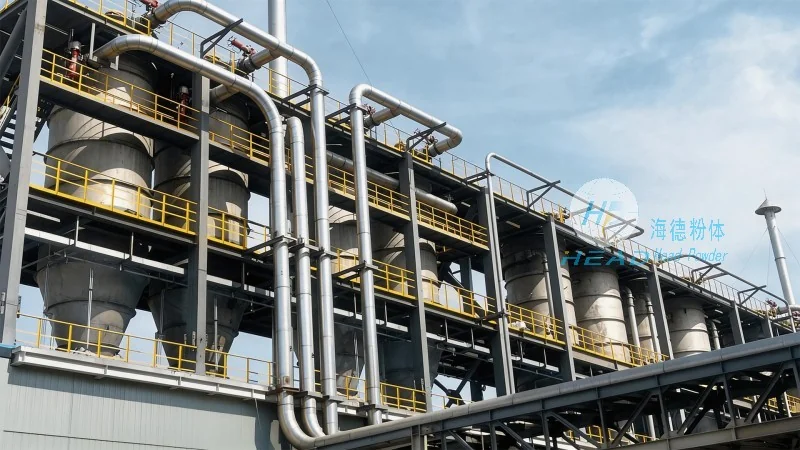
3. Air Supply System: The Driving Force of Pneumatic Conveying
The air supply system provides the necessary pressure and flow of air to move sand and gravel through the pipeline. This system typically includes a blower or compressor, air filters, and pressure regulators. The blower is responsible for generating the airflow, and its capacity is matched to the system's requirements based on the material's characteristics and the conveying distance. For sand and gravel, high-pressure or positive displacement blowers are often used to ensure sufficient air velocity to keep the material suspended. The air supply system must also include filtration to remove contaminants from the air, as sand and gravel particles can be abrasive and may damage the blower components over time. Proper air filtration and regulation are essential to maintain the system's performance and longevity.
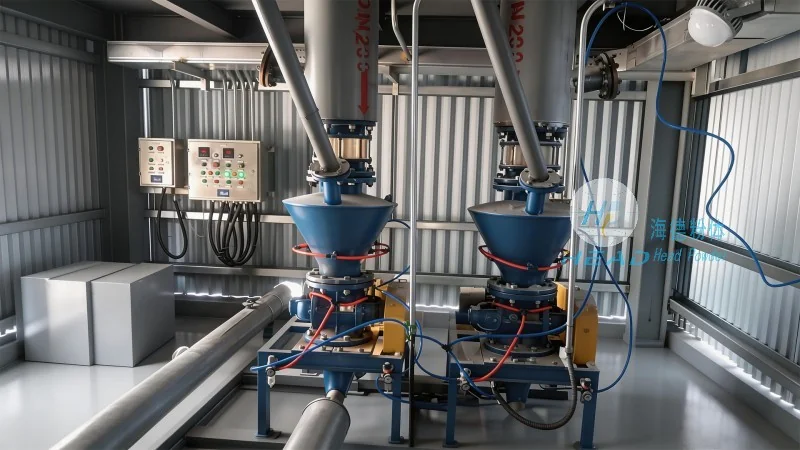
4. Separation and Filtration Unit: Ensuring Clean Air and Material Recovery
The separation and filtration unit is a critical component that separates the sand and gravel from the air stream and filters the air before it is released back into the environment. This unit typically consists of a cyclone separator or a baghouse filter. The cyclone separator uses centrifugal force to separate the heavier material particles from the air, while the baghouse filter captures fine particles using fabric bags. For sand and gravel, the separation unit must be robust enough to handle the abrasive nature of the material and prevent clogging or damage. The filtration system is designed to meet environmental standards, ensuring that the air released is clean and free from dust. The recovered material from the separator is often returned to the feed system or collected for further processing, maximizing material recovery and reducing waste.
5. Discharge and Collection Equipment: The Final Step in Material Handling
The discharge and collection equipment is the final component of the pneumatic conveying system, where the sand and gravel is deposited at the destination. This unit may include a rotary valve, a hopper, or a conveyor system, depending on the application. The discharge equipment is designed to handle the material's characteristics, such as its abrasive nature and varying particle sizes, ensuring smooth and controlled material release. The collection equipment, such as a hopper or storage bin, is used to store the conveyed material until it is transported to the next stage of processing. Proper design of the discharge and collection equipment is essential to prevent material spillage, blockages, and damage to downstream equipment. The system must also include features like level sensors and flow control to monitor the material level and ensure efficient operation.