

Main Pneumatic Conveying Structures for White Flour
For the efficient and safe transportation of white flour, various pneumatic conveying structures are utilized in industrial settings. These systems are designed to handle the unique properties of white flour, such as its fine particle size and low bulk density, ensuring minimal product degradation and operational reliability. The primary structures employed in white flour pneumatic conveying systems include positive pressure systems, negative pressure systems, and hybrid systems, each tailored to specific operational requirements and environmental conditions.
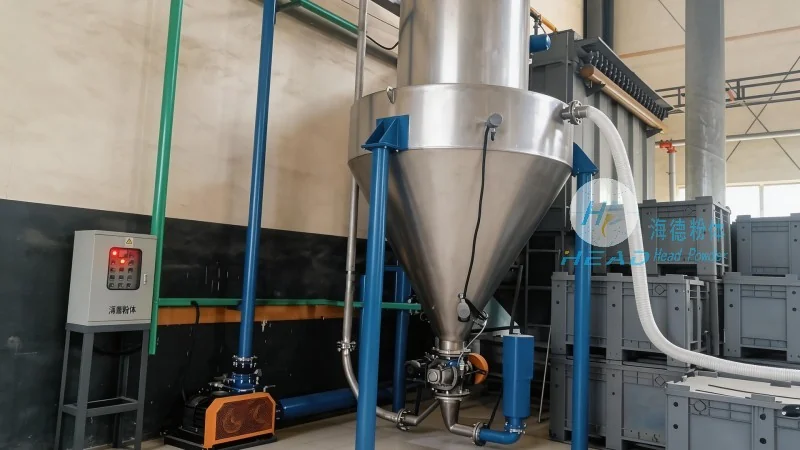
Key Components of Pneumatic Conveying Systems for White Flour
The core components of a pneumatic conveying system for white flour typically consist of a material feed hopper, a conveyor line (either horizontal or vertical), a dust collection system, and a control unit. The feed hopper is designed to store and meter the white flour, ensuring a consistent flow into the conveyor. The conveyor line may be constructed from stainless steel or other corrosion-resistant materials to prevent contamination and maintain product purity. The dust collection system is crucial for capturing any airborne flour particles, protecting the environment and maintaining air quality within the facility. The control unit manages the system's operation, regulating air pressure, flow rates, and other parameters to optimize performance and prevent system failures.
Positive Pressure Pneumatic Conveying Systems
Positive pressure systems are widely used for white flour pneumatic conveying due to their ability to handle long distances and multiple transfer points. In this system, air is supplied under pressure from a blower or compressor, pushing the white flour through the conveyor line. The positive pressure environment helps to prevent product contamination from external sources and reduces the risk of dust explosions. The system typically includes a pressure vessel or receiver that stores the flour and maintains the pressure, ensuring a continuous flow. Positive pressure systems are particularly suitable for applications requiring high throughput and the ability to transfer flour to multiple destinations from a single source.
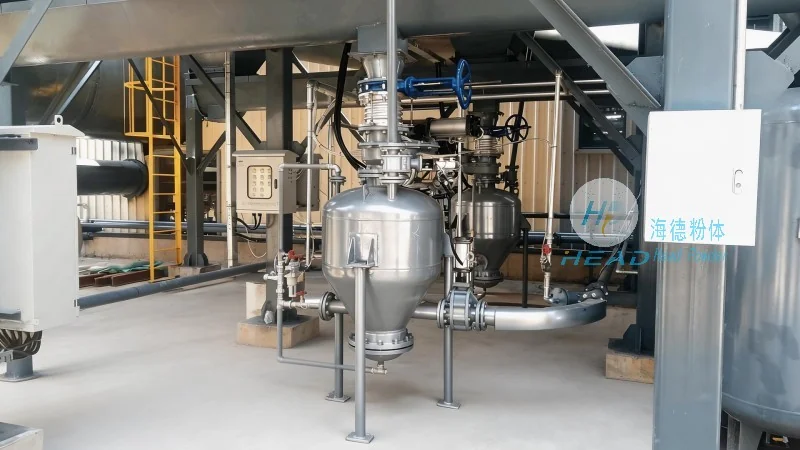
Negative Pressure Pneumatic Conveying Systems
Negative pressure systems, also known as vacuum systems, are another common structure for white flour pneumatic conveying. In this setup, a vacuum pump creates a negative pressure within the conveyor line, drawing the white flour from the source into the system. Negative pressure systems are often preferred for applications where the flour needs to be transferred from a lower elevation to a higher one, or when the system must operate in a cleanroom environment. The vacuum environment helps to minimize dust emissions and maintain a controlled atmosphere. However, negative pressure systems may have limitations in terms of distance and throughput compared to positive pressure systems, as the vacuum can be affected by system backpressure and particle size.
Hybrid Pneumatic Conveying Systems
Hybrid systems combine elements of both positive and negative pressure systems, offering flexibility and enhanced performance for white flour transportation. These systems may use a positive pressure blower to move the flour over short distances and then switch to a negative pressure vacuum to complete the transfer, or vice versa. Hybrid systems are particularly useful in complex conveying networks where different sections of the line require different pressure conditions. For example, a hybrid system might use positive pressure to transport flour from a silo to a processing plant and then switch to negative pressure to deliver the flour to a packaging area. This flexibility allows for more efficient use of energy and reduces the need for multiple separate systems.
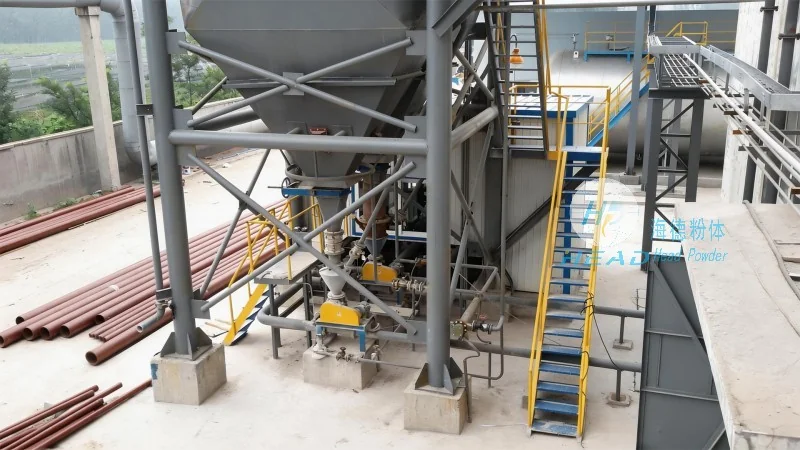
Design Considerations for White Flour Pneumatic Conveying Structures
When designing pneumatic conveying structures for white flour, several factors must be considered to ensure optimal performance and product quality. First, the system must be designed to handle the fine particle size of white flour, which can lead to high friction and wear on components. Materials such as stainless steel, polypropylene, or food-grade plastics are commonly used for the conveyor line and components to prevent contamination and maintain product purity. Second, the system must be equipped with effective dust collection and filtration systems to prevent airborne flour particles from escaping into the environment. This is crucial for maintaining air quality and complying with environmental regulations. Third, the system should be designed with appropriate safety features, such as explosion-proof components and pressure relief valves, to prevent accidents and ensure operator safety. Finally, the system must be easy to clean and maintain to prevent cross-contamination and ensure consistent product quality over time.
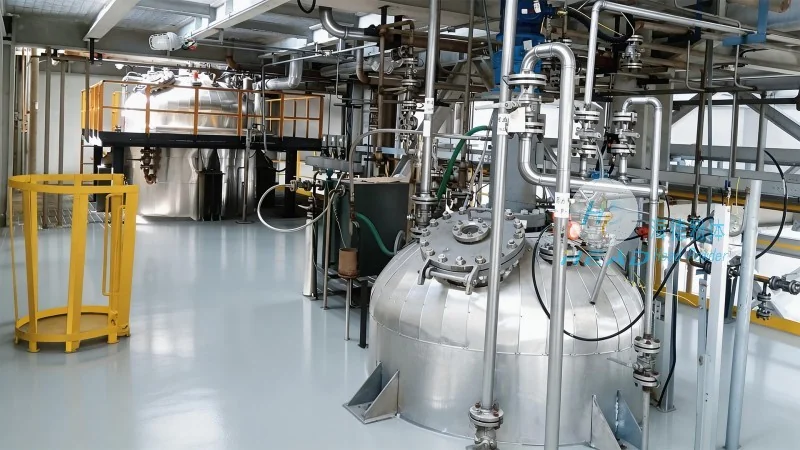
Applications of Pneumatic Conveying Structures in White Flour Processing
Pneumatic conveying structures are widely used in various stages of white flour processing, from raw material handling to final product packaging. In the raw material handling stage, the system is used to transport white flour from storage silos to processing equipment, such as mixers or mills. In the processing stage, the system may be used to transfer flour between different processing units, such as from a grinding mill to a sifting machine. In the final packaging stage, the system can be used to deliver flour to packaging machines, ensuring a consistent and efficient filling process. The versatility of pneumatic conveying structures makes them an essential component in modern white flour processing facilities, enabling efficient and reliable transportation of the product throughout the entire production process.
Conclusion
White flour pneumatic conveying structures are critical components in the efficient and safe handling of white flour in industrial settings. The main structures include positive pressure, negative pressure, and hybrid systems, each with its own advantages and applications. Proper design and maintenance of these systems are essential to ensure optimal performance, product quality, and operator safety. As a leading provider of engineering solutions for the food processing industry, Shandong HeadPowder Engineering Co., Ltd. specializes in designing and manufacturing high-quality pneumatic conveying systems tailored to the specific needs of white flour processing facilities. With a focus on innovation and customer satisfaction, HeadPowder provides reliable solutions that enhance operational efficiency and product integrity in the white flour industry.