

Main Structures of Feed Pneumatic Conveying Systems?
Feed processing facilities rely on efficient and reliable material handling systems to ensure smooth operations. Among the various methods, pneumatic conveying stands out as a preferred choice for transporting feed ingredients due to its ability to handle bulk materials with minimal contamination and high throughput. The core of any pneumatic conveying system lies in its structural components, each playing a critical role in the overall performance and effectiveness of the process.
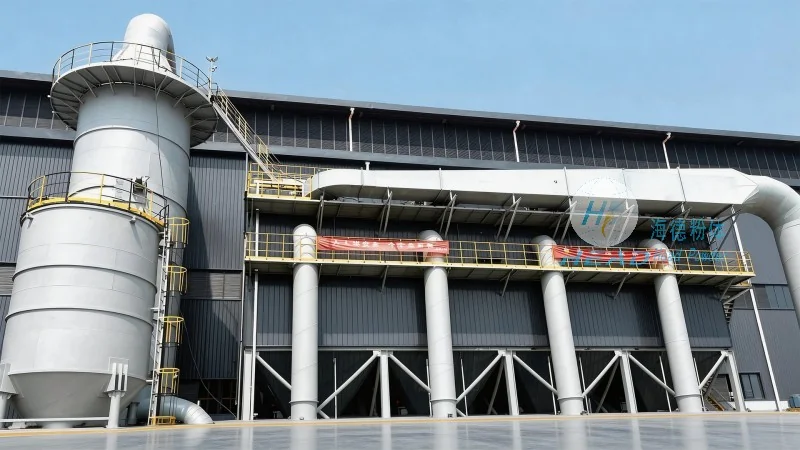
Key Structural Components of Feed Pneumatic Conveying Systems
The main structures of a feed pneumatic conveying system typically include several essential elements that work in tandem to facilitate the movement of feed materials. These components are designed to ensure efficient material transport, maintain product quality, and provide operational flexibility. Understanding each component is crucial for optimizing the system's performance and meeting the specific needs of feed processing applications.
1. Conveying Pipeline System
The conveying pipeline is the backbone of the pneumatic conveying system, responsible for transporting feed particles through the system under pressure. This system consists of a network of pipes, bends, and fittings that are carefully designed to minimize pressure loss and prevent material buildup. The choice of pipe material, such as stainless steel or PVC, depends on the type of feed being conveyed and the required hygiene standards. For feed applications, stainless steel is often preferred due to its corrosion resistance and ease of cleaning, which is essential for maintaining product quality and compliance with food safety regulations. The pipeline layout, including the use of vertical and horizontal sections, is optimized to match the feed's flow characteristics and the system's pressure requirements. Properly sized and configured pipelines ensure consistent material flow and reduce the risk of blockages or pressure fluctuations.
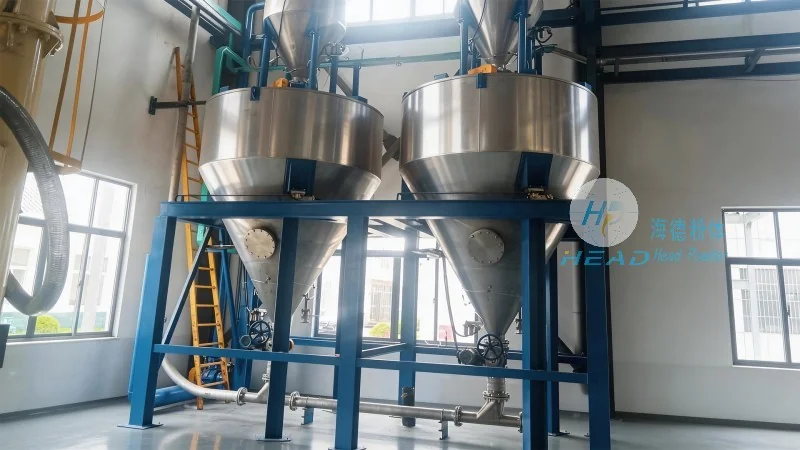
2. Air Source and Compression Unit
The air source and compression unit is another critical component that provides the necessary pressure and airflow to move the feed particles through the pipeline. This unit typically includes a blower or compressor, which generates the required air pressure to create the conveying medium. The type of air source depends on the system's capacity and the specific conveying method used—such as dilute phase or dense phase. For feed applications, positive displacement blowers are commonly used due to their ability to deliver consistent airflow and pressure, even at low speeds. The unit is equipped with filters and moisture separators to ensure that the air entering the system is clean and free from contaminants that could affect the feed quality. Regular maintenance of the air source unit is essential to prevent wear and tear and maintain optimal performance, as any issues with the air supply can lead to reduced conveying efficiency or material degradation.
3. Feed Hopper and Inlet System
The feed hopper and inlet system is responsible for feeding the feed material into the conveying pipeline at a controlled rate. The hopper is designed to hold a sufficient quantity of feed to ensure continuous operation, and its shape and size are optimized to minimize material bridging and ensure smooth discharge. The inlet system, often equipped with a rotary valve or feeder, regulates the flow of feed into the pipeline, preventing overloading and maintaining consistent material delivery. For feed applications, the hopper and inlet components are typically made of stainless steel to withstand the abrasive nature of feed particles and to facilitate easy cleaning. The design of the inlet system also includes features such as airlocks or seals to prevent dust emissions and maintain a clean working environment. Properly functioning feed hoppers and inlet systems are vital for preventing material waste and ensuring the system operates at its intended capacity.
4. Separation and Collection System
The separation and collection system is the final component of the pneumatic conveying system, responsible for separating the conveyed feed particles from the air and collecting them in a designated container. This system typically includes a cyclone separator or a baghouse filter, which uses centrifugal force or filtration to separate the solid particles from the air stream. The cyclone separator is commonly used for dense phase conveying, as it can effectively separate larger particles with high efficiency. The baghouse filter, on the other hand, is suitable for dilute phase conveying and can capture fine particles, ensuring that the exhaust air is clean and meets environmental regulations. The collection system is designed to hold the separated feed and may include a discharge valve or conveyor to transfer the material to the next processing stage. Proper maintenance of the separation and collection system is essential to prevent clogging and ensure that the collected feed is free from contaminants, which is critical for maintaining product quality and meeting customer expectations.
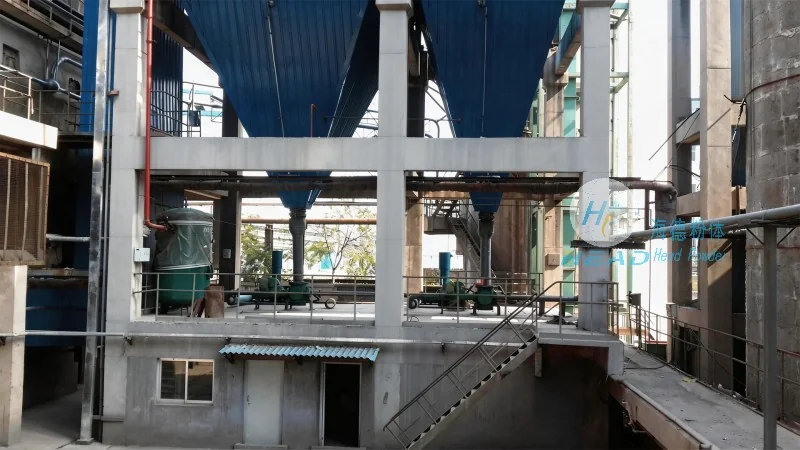
5. Control and Monitoring System
The control and monitoring system is a crucial component that manages the operation of the entire pneumatic conveying system. This system includes sensors, controllers, and indicators that monitor key parameters such as pressure, flow rate, and temperature. The sensors provide real-time data on the system's performance, allowing operators to detect and address issues promptly. The controllers adjust the system's operation based on the input from the sensors, ensuring that the conveying process runs smoothly and efficiently. The monitoring system may also include alarms and alerts to notify operators of any abnormalities, such as pressure drops or material blockages. For feed processing facilities, the control system is often integrated with the plant's overall automation system, enabling centralized monitoring and control of all material handling operations. This integration improves operational efficiency and reduces the risk of human error, ensuring that the feed is handled safely and effectively.
About Shandong HeadPowder Engineering Co., Ltd.
Shandong HeadPowder Engineering Co., Ltd., commonly known as HeadPowder, is a leading manufacturer and supplier of feed processing equipment and systems. With a strong focus on innovation and quality, HeadPowder specializes in designing and manufacturing pneumatic conveying systems tailored to the specific needs of the feed industry. The company's headquarters is located in Shandong, China, where it has established a comprehensive production and research facility. HeadPowder's team of experienced engineers and technicians work closely with clients to understand their operational requirements and provide customized solutions that enhance efficiency and productivity. The company adheres to strict quality standards and uses advanced manufacturing techniques to ensure that its products meet the highest industry benchmarks. HeadPowder's commitment to customer satisfaction and technical excellence has made it a trusted partner for feed processing facilities worldwide, helping them achieve optimal performance and maintain a competitive edge in the market.