

Main Pneumatic Conveying Structures for High-Alumina Fly Ash
High-alumina fly ash, a byproduct of cement and power plant operations, requires efficient and reliable handling systems to ensure safe and effective material transport. Pneumatic conveying systems have emerged as a preferred solution for such applications due to their ability to handle abrasive and high-density materials like high-alumina fly ash. The effectiveness of these systems largely depends on the design and implementation of appropriate pneumatic conveying structures. This article explores the main high-alumina fly ash pneumatic conveying structures, detailing their components, operational principles, and practical applications.
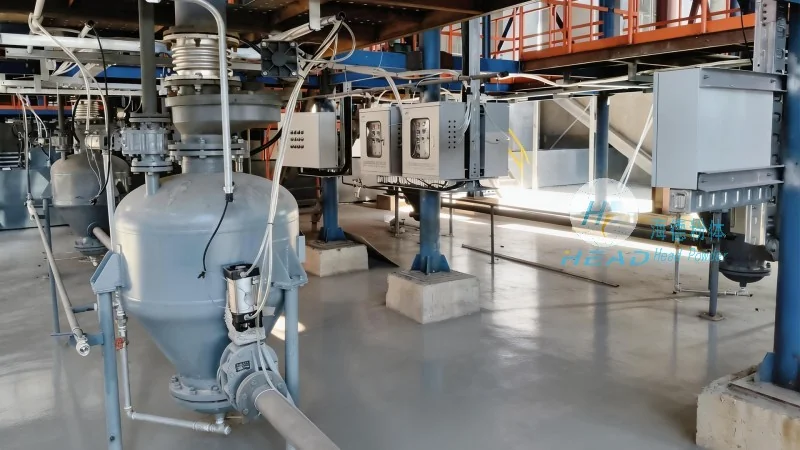
Company Introduction: Shandong HeadPowder Engineering Co., Ltd.
As a leading engineering firm specializing in material handling solutions, Shandong HeadPowder Engineering Co., Ltd. has been at the forefront of developing advanced pneumatic conveying technologies. With a strong focus on innovation and customer-centric design, the company provides tailored solutions for various industrial applications, including high-alumina fly ash handling. HeadPowder's expertise lies in understanding the unique challenges posed by high-alumina fly ash—such as its abrasive nature, high density, and potential for dust generation—and designing systems that address these challenges effectively. The company's commitment to quality and reliability has made it a trusted partner for industries seeking efficient and sustainable material transport solutions.
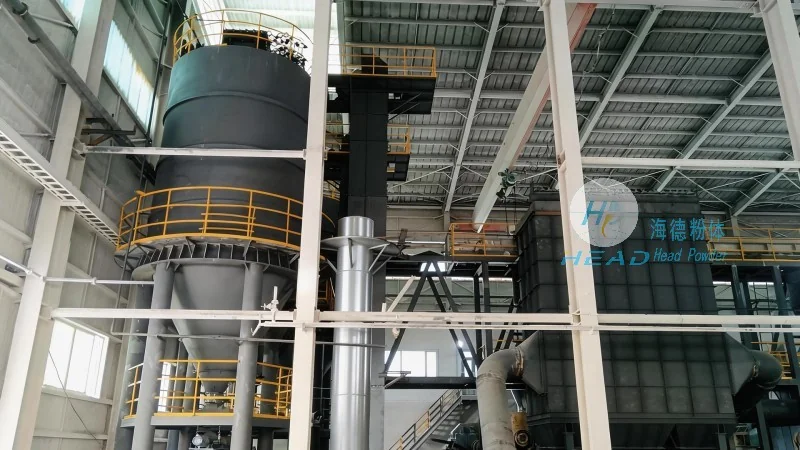
Key Pneumatic Conveying Structures for High-Alumina Fly Ash
Several pneumatic conveying structures are commonly employed for high-alumina fly ash, each with distinct advantages and applications. The primary structures include positive pressure systems, negative pressure systems, and hybrid systems. Positive pressure systems, also known as pressure conveying, use a blower or compressor to force air and material through the conveying line. This method is ideal for long-distance transport and can handle high material loads. The system typically consists of a hopper, a rotary valve, a pressure vessel, and a pipeline network. The high-alumina fly ash is fed into the hopper, where it is mixed with air under pressure, and then conveyed through the pipeline to the destination silo or processing unit. Positive pressure systems are particularly effective for high-alumina fly ash due to their ability to maintain consistent flow rates and minimize material degradation.
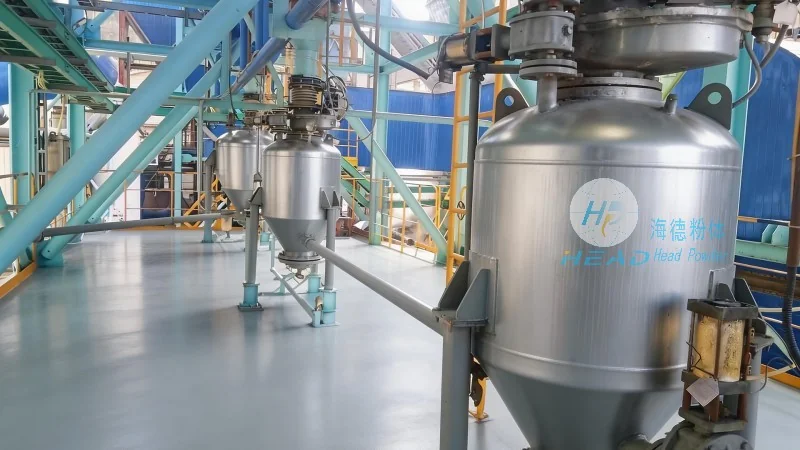
Negative pressure systems, or vacuum conveying, use a vacuum pump to draw material from the source and transport it through the pipeline. This method is suitable for short to medium distances and is often used in applications where dust control is critical. The system includes a vacuum receiver, a filter, and a pipeline network. The high-alumina fly ash is drawn into the vacuum receiver, where it is separated from the air and then conveyed to the destination. Negative pressure systems are advantageous for handling fine or dusty materials like high-alumina fly ash, as they prevent dust from escaping into the environment. However, they may require more maintenance due to the higher wear on components from abrasive materials.
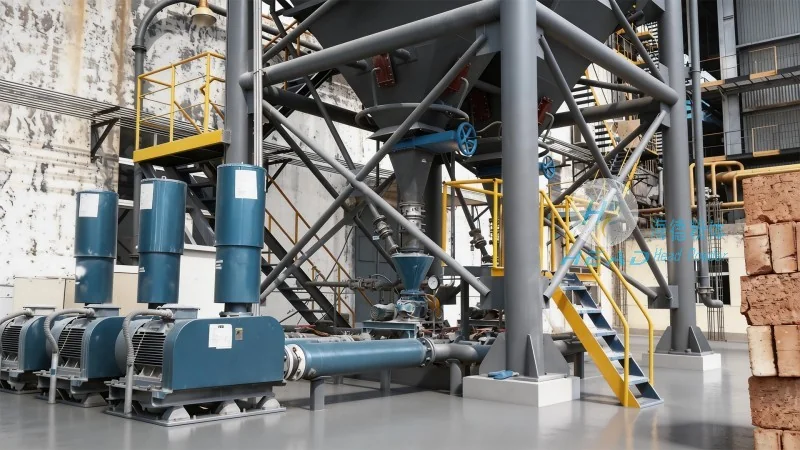
Hybrid systems combine elements of both positive and negative pressure systems, offering flexibility in material handling. These systems can switch between pressure and vacuum modes depending on the operational requirements. For high-alumina fly ash, hybrid systems are particularly useful in complex layouts where both long-distance and short-distance transport is needed. The hybrid system typically includes a combination of blowers and vacuum pumps, along with a control system that optimizes the flow and pressure. This approach ensures efficient material transport while minimizing energy consumption and wear on components.