

PVC Resin Pneumatic Conveying: How to Efficiently Transport Powder and Granular Materials with Air F
Efficient material handling is a critical factor in the production and processing of PVC resin, as the industry demands reliable and safe methods to transport powder and granular materials. Pneumatic conveying systems have emerged as a preferred solution for this purpose, offering advantages such as reduced contamination, minimal product degradation, and the ability to handle a wide range of materials, including PVC resin. This article explores the principles and applications of pneumatic conveying for PVC resin, highlighting how companies like Shandong HeadPowder Engineering Co., Ltd. leverage advanced technology to optimize material transport processes.
Understanding Pneumatic Conveying for PVC Resin
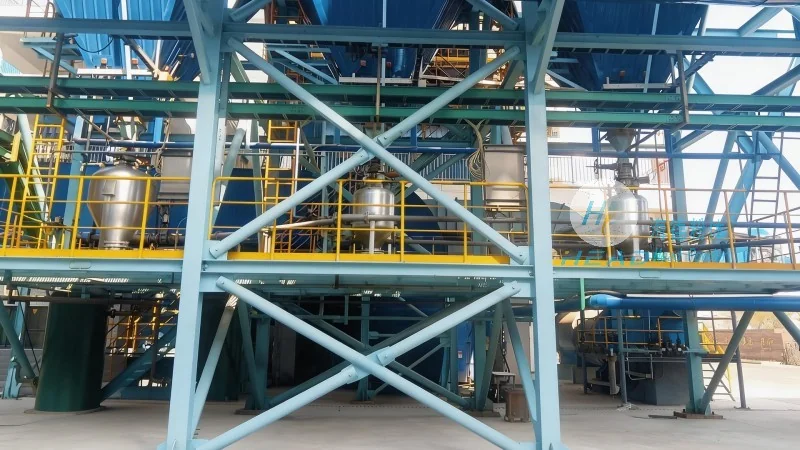
Pneumatic conveying, also known as air conveying, is a method that uses pressurized or vacuum air to transport bulk materials like PVC resin from one location to another. The process involves creating a flow of air that carries the material through a pipeline, ensuring a continuous and controlled movement. There are two primary types of pneumatic conveying systems: pressure and vacuum. Pressure systems use compressed air to push the material forward, while vacuum systems use suction to draw the material into the pipeline. For PVC resin, which is often sensitive to moisture and contamination, pressure systems are commonly preferred as they provide better control over the material's environment.
Key Benefits of Pneumatic Conveying for PVC Resin Handling
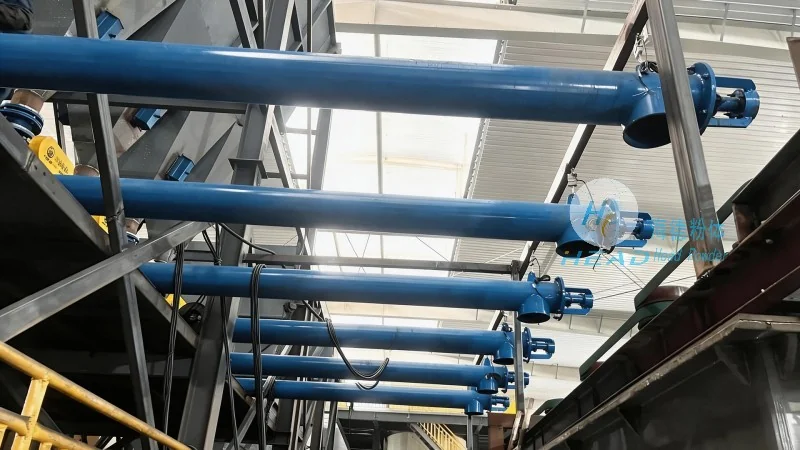
Implementing pneumatic conveying for PVC resin offers several significant benefits that enhance operational efficiency and product quality. First, it minimizes the risk of product contamination, as the material is enclosed within the pipeline, preventing exposure to external elements. This is particularly important for PVC resin, which can degrade or change properties if exposed to moisture or air. Second, pneumatic conveying reduces product degradation by eliminating the need for mechanical handling, such as conveyor belts or buckets, which can cause abrasion or friction. Third, the system allows for a more controlled and uniform flow of material, ensuring consistent product quality throughout the production process. Additionally, pneumatic conveying systems are versatile and can handle various particle sizes and shapes, making them suitable for different stages of PVC resin processing, from raw material transport to finished product packaging.
HeadPowder's Expertise in Pneumatic Conveying Solutions
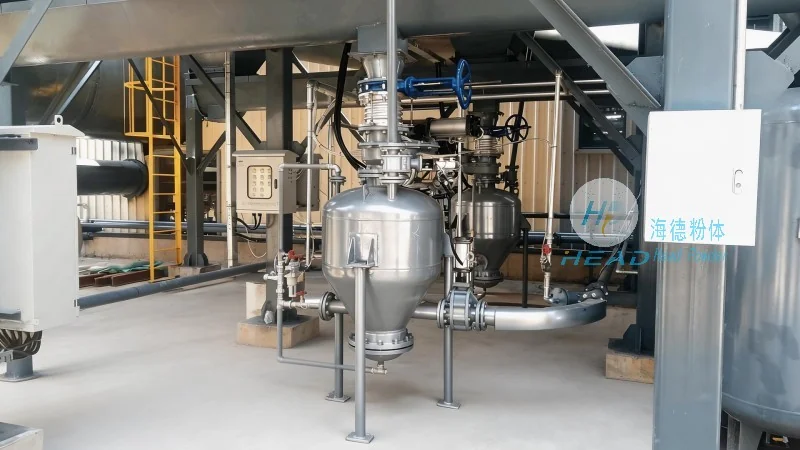
Shandong HeadPowder Engineering Co., Ltd., a leading provider of material handling solutions, specializes in designing and manufacturing pneumatic conveying systems tailored to the specific needs of the PVC resin industry. With years of experience and a deep understanding of the challenges faced by manufacturers, HeadPowder offers customized solutions that optimize material transport while ensuring compliance with industry standards. The company's team of engineers works closely with clients to assess their operational requirements, including material characteristics, production volume, and facility layout, to develop a system that maximizes efficiency and minimizes downtime. HeadPowder's solutions are built with high-quality components, ensuring durability and reliability in demanding industrial environments. The company's commitment to innovation is reflected in its use of advanced materials and technologies, such as stainless steel pipelines and advanced control systems, which enhance the performance and longevity of the conveying systems.
Addressing Common Challenges in PVC Resin Pneumatic Conveying
While pneumatic conveying offers numerous advantages, it also presents certain challenges that must be addressed to ensure optimal performance. One common issue is the buildup of material in the pipeline, which can lead to blockages and system downtime. HeadPowder addresses this by incorporating features such as in-line cleaning mechanisms and material conditioning equipment, which help maintain a smooth flow of PVC resin. Another challenge is the potential for air leakage, which can reduce system efficiency and increase energy consumption. The company's systems are designed with robust seals and high-quality fittings to minimize air loss, ensuring that the conveying process operates at maximum efficiency. Additionally, the need for proper maintenance and regular inspections is crucial to prevent system failures. HeadPowder provides comprehensive maintenance services and offers training to clients on how to perform routine checks, ensuring that the pneumatic conveying systems remain in optimal condition.
Conclusion: Enhancing Efficiency with Pneumatic Conveying
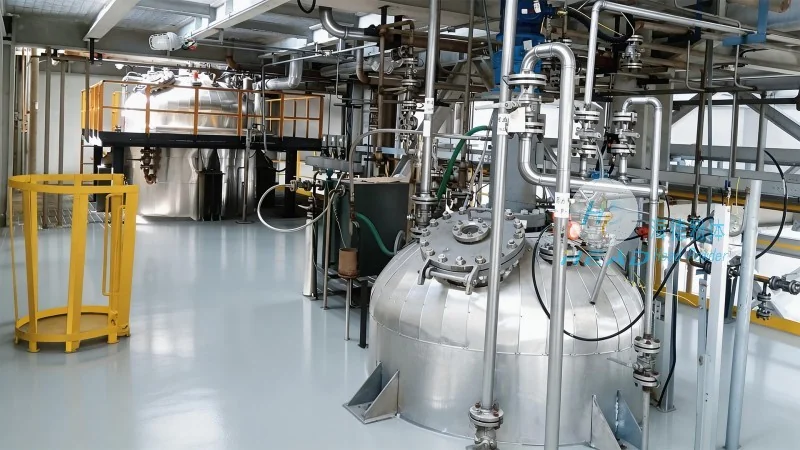
Pneumatic conveying is a proven and effective method for efficiently transporting PVC resin and other powder and granular materials. By leveraging advanced technology and expertise, companies like Shandong HeadPowder Engineering Co., Ltd. can help manufacturers optimize their material handling processes, reduce costs, and improve product quality. The benefits of pneumatic conveying, including reduced contamination, minimal degradation, and controlled flow, make it an ideal solution for the PVC resin industry. As the demand for efficient material handling continues to grow, pneumatic conveying systems will remain a critical component of modern manufacturing processes. With its commitment to quality and innovation, HeadPowder is well-positioned to provide the industry with reliable and effective solutions for PVC resin pneumatic conveying.