

Polyurethane Pneumatic Conveying: How to Efficiently Transport Powder and Granular Materials with Ai
Pneumatic conveying systems, particularly those utilizing polyurethane components, have revolutionized the efficient transport of powder and granular materials across various industries. These systems leverage air pressure or vacuum to move bulk materials from one location to another, offering a flexible and often safer alternative to traditional mechanical conveying methods. The core of such systems lies in the use of high-quality polyurethane materials for components like hoses, pipes, and fittings, which are chosen for their durability, resistance to abrasion, and ability to handle a wide range of material types without degradation.
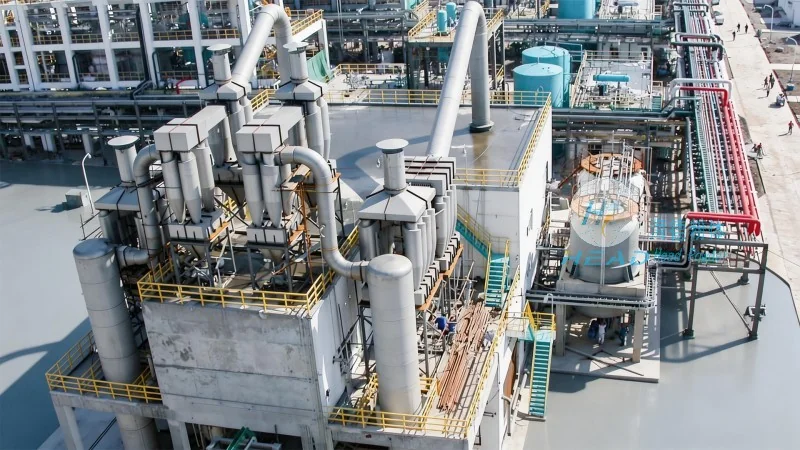
Key Advantages of Polyurethane Pneumatic Conveying
One of the primary benefits of polyurethane pneumatic conveying is its ability to handle abrasive and corrosive materials with minimal wear and tear. Unlike metal or plastic alternatives, polyurethane components can withstand the constant friction and impact associated with transporting powders, ensuring longer service life and reduced maintenance costs. Additionally, these systems are designed to minimize product contamination, as polyurethane is non-porous and resistant to chemical reactions, making it ideal for food, pharmaceutical, and chemical industries where product purity is paramount. The flexibility of polyurethane hoses also allows for easy installation in complex layouts, adapting to the unique spatial constraints of different facilities.
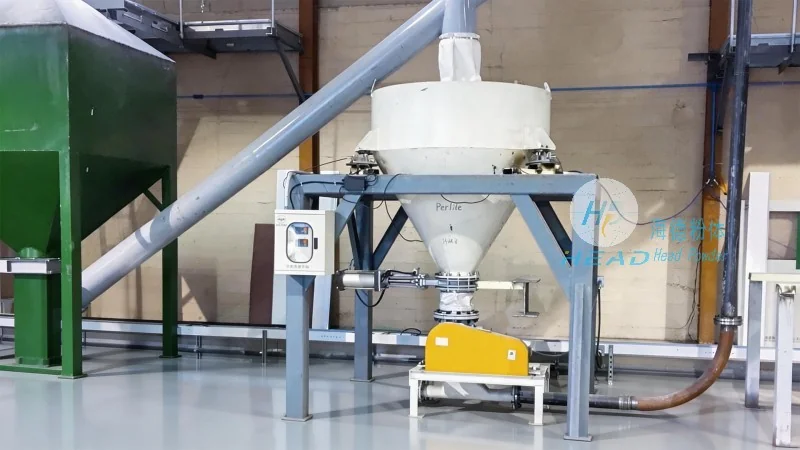
How Air Flow Enhances Material Transport
The efficiency of pneumatic conveying relies heavily on the controlled use of air flow. By adjusting the velocity and pressure of the air stream, operators can optimize the transport of different material sizes and densities. For example, low-pressure systems are suitable for fine powders that require gentle handling, while high-pressure systems can handle larger granules or bulkier materials. The air flow not only propels the material but also helps in maintaining a consistent flow rate, preventing blockages and ensuring smooth operation. Advanced systems may incorporate features like cyclone separators or filters to separate the conveyed material from the air, allowing for clean material recovery and air recycling, which further enhances overall efficiency and reduces operational costs.
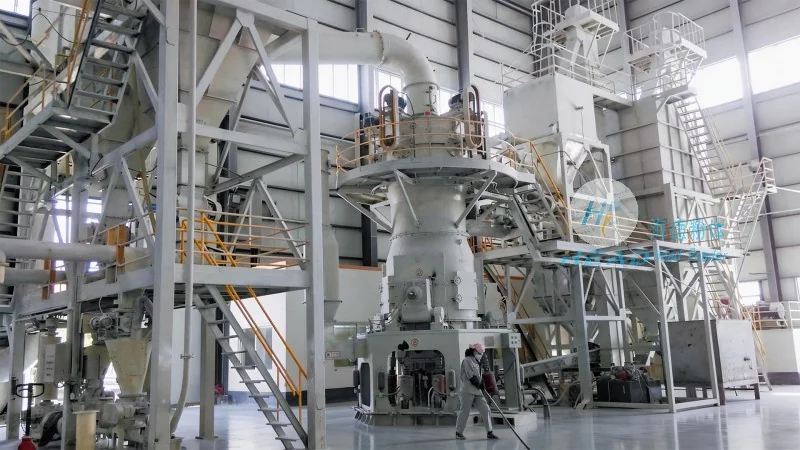
Applications and Industries Benefiting from This Technology
Polyurethane pneumatic conveying systems are widely adopted in industries such as food processing, pharmaceutical manufacturing, chemical processing, and mining. In the food industry, these systems are used to transport ingredients like flour, sugar, and spices, ensuring hygienic and contamination-free handling. The pharmaceutical sector benefits from the system's ability to handle sensitive powders, maintaining strict quality control standards. Chemical plants utilize polyurethane conveying for handling abrasive chemicals and powders, reducing equipment damage and downtime. Even in the mining industry, these systems are employed to transport minerals and ores from processing plants to storage facilities, improving operational efficiency and safety.
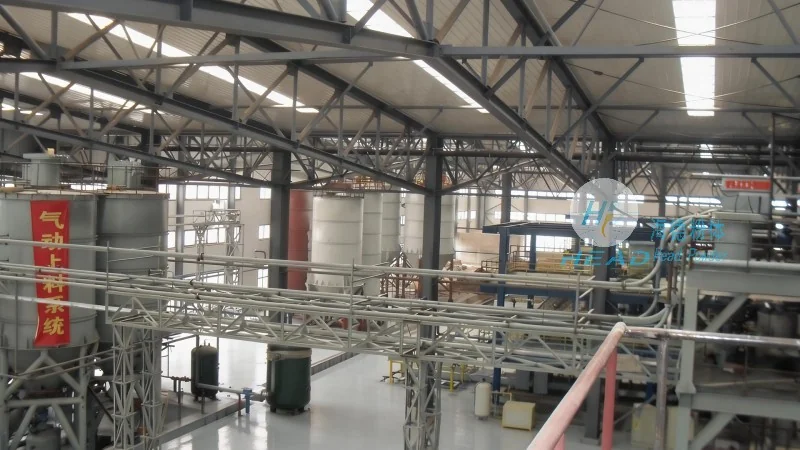
About HeadPowder: Your Trusted Partner in Pneumatic Conveying Solutions
Shandong HeadPowder Engineering Co., Ltd., commonly known as HeadPowder, is a leading provider of advanced pneumatic conveying solutions. With operations based in Shandong, China, HeadPowder specializes in designing, manufacturing, and installing polyurethane-based pneumatic conveying systems tailored to the specific needs of various industries. The company's commitment to quality and innovation has made it a trusted partner for businesses seeking reliable and efficient material transport solutions. HeadPowder's team of experts works closely with clients to understand their operational requirements, offering customized solutions that enhance productivity, reduce costs, and ensure compliance with industry standards. By leveraging years of experience and cutting-edge technology, HeadPowder continues to set the benchmark for pneumatic conveying systems in the global market.