

Baryte Pneumatic Conveying: How to Efficiently Transport Powders and Particulate Materials with Air
Efficient material handling is a critical factor in many industrial processes, and for powders and particulate materials like baryte, the choice of conveying method can significantly impact operational efficiency and cost. Pneumatic conveying, which uses air flow to transport materials, offers a versatile and effective solution for moving baryte and similar bulk materials. This article explores the principles and applications of baryte pneumatic conveying, focusing on how to achieve high-efficiency material transport using air flow.
Understanding Baryte and Its Handling Challenges
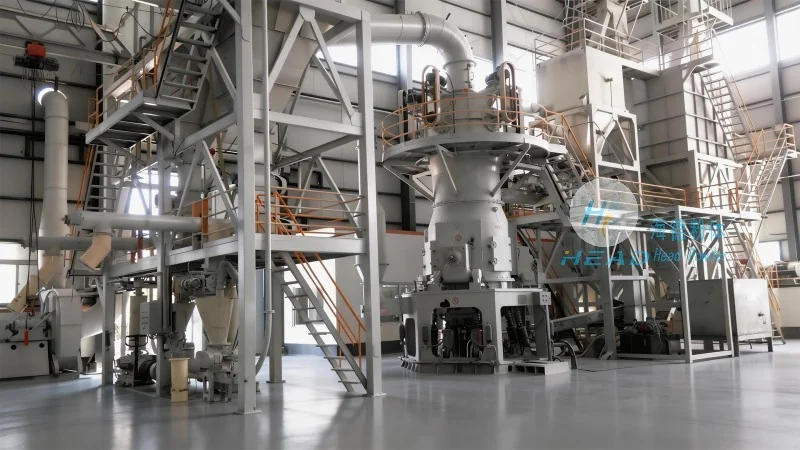
Baryte, also known as barite, is a heavy mineral composed primarily of barium sulfate (BaSO₄). It is widely used in various industries, including oil and gas drilling, as a weighting agent, and in the manufacturing of paints, plastics, and ceramics. Due to its fine particle size and high density, baryte presents unique handling challenges. Traditional methods like belt conveyors or bucket elevators may suffer from material degradation, dust generation, and operational inefficiencies. Pneumatic conveying provides a solution by transporting baryte in a closed system, minimizing contamination and ensuring consistent material quality.
HeadPowder Engineering: Expert in Pneumatic Conveying Solutions
Shandong HeadPowder Engineering Co., Ltd., a leading provider of bulk material handling solutions, specializes in designing and implementing pneumatic conveying systems tailored to the specific needs of baryte and other powders. With years of experience in the industry, HeadPowder has developed advanced technologies and equipment that enhance the efficiency and reliability of material transport. The company's expertise lies in understanding the unique properties of baryte and optimizing the conveying process to maximize throughput while minimizing energy consumption and equipment wear.
Key Components of a Baryte Pneumatic Conveying System
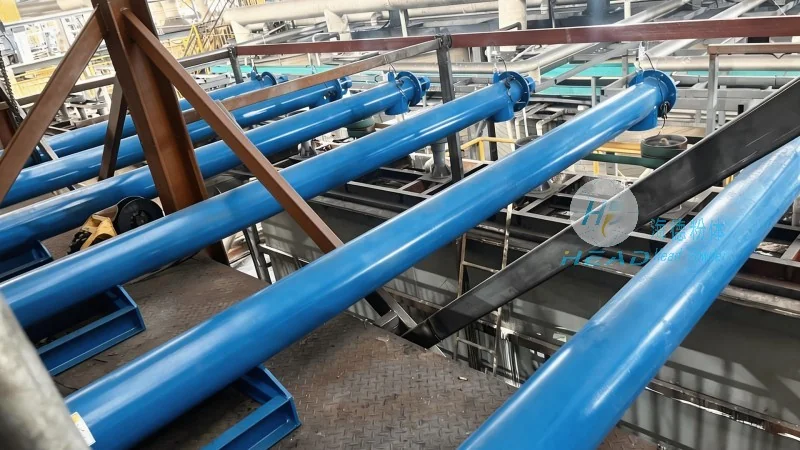
A baryte pneumatic conveying system typically consists of several key components that work together to ensure efficient material transport. The primary components include a material feed hopper, a conveyor line (either positive or negative pressure), a dust collector, and a discharge outlet. The feed hopper is designed to store and feed the baryte material into the conveying line at a controlled rate. The conveyor line uses air flow to move the material through the system, with positive pressure systems blowing air into the line to push the material, and negative pressure systems drawing air out to pull the material. The dust collector is crucial for maintaining air quality and preventing dust emissions, while the discharge outlet allows the material to be deposited at the desired location.
How Air Flow Optimizes Baryte Transport Efficiency
The efficiency of baryte pneumatic conveying is directly related to the optimization of air flow within the system. Several factors influence the air flow, including the velocity of the air, the particle size and density of the baryte, and the system's pressure. Proper air velocity is essential to prevent material settling or blockages in the conveying line. HeadPowder engineers use advanced computational fluid dynamics (CFD) and material testing to determine the optimal air velocity and pressure for each application. By ensuring the air flow is sufficient to keep the baryte particles suspended and moving at a consistent speed, the system can achieve high throughput with minimal energy waste.
Benefits of Using Pneumatic Conveying for Baryte
Implementing a pneumatic conveying system for baryte offers numerous benefits that improve overall operational performance. First, it reduces material degradation by minimizing friction and impact during transport. This is particularly important for baryte, as fine particles can be easily broken down, affecting its quality and usability. Second, pneumatic conveying systems are enclosed, which significantly reduces dust emissions and improves workplace safety. Third, the system allows for precise control over material flow, enabling consistent delivery to downstream processes. Additionally, pneumatic conveying can be integrated with other equipment, such as mixers or classifiers, to create a fully automated material handling system that enhances productivity and reduces labor costs.
Case Studies and Real-World Applications
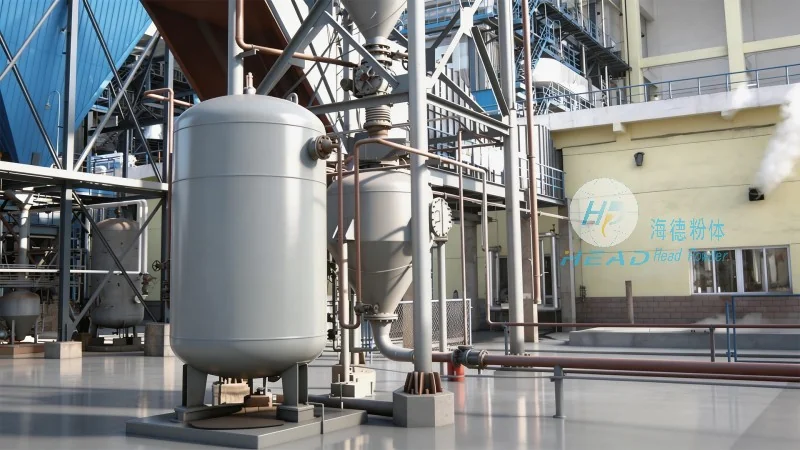
HeadPowder has successfully implemented baryte pneumatic conveying systems in various industrial settings. For example, in an oil and gas drilling operation, the company designed a positive pressure system that transported baryte from storage to the drilling site, ensuring a steady supply of the weighting agent. The system was optimized to handle the high volume of baryte required, with minimal downtime and energy consumption. In another application, a paint manufacturer used a negative pressure system to convey baryte from a storage silo to a mixing plant. The system's enclosed design prevented dust contamination in the paint, maintaining product quality and meeting regulatory standards.
Conclusion: Achieving High-Efficiency Baryte Transport with Pneumatic Conveying
Efficient transport of baryte and other powders is essential for maintaining productivity and quality in industrial processes. Pneumatic conveying, when properly designed and optimized, offers a reliable and effective solution for moving these materials. HeadPowder Engineering, with its expertise in bulk material handling, provides customized pneumatic conveying systems that address the unique challenges of baryte transport. By focusing on air flow optimization, system integration, and material handling efficiency, HeadPowder helps industries achieve higher throughput, lower operational costs, and improved product quality. For businesses looking to enhance their baryte handling processes, pneumatic conveying remains a top choice, and with the right engineering support, it can deliver significant benefits in terms of efficiency and performance.