

How to Choose the Right Pneumatic Conveying System for Your Coal Particle Handling Process
When it comes to managing coal particle handling processes, selecting the appropriate pneumatic conveying system is a critical decision that impacts operational efficiency, cost-effectiveness, and overall system reliability. The right system can significantly enhance material transport, reduce downtime, and improve safety in coal handling operations. This guide will help you navigate the key considerations for choosing a suitable pneumatic conveying system tailored to your specific coal particle handling needs.
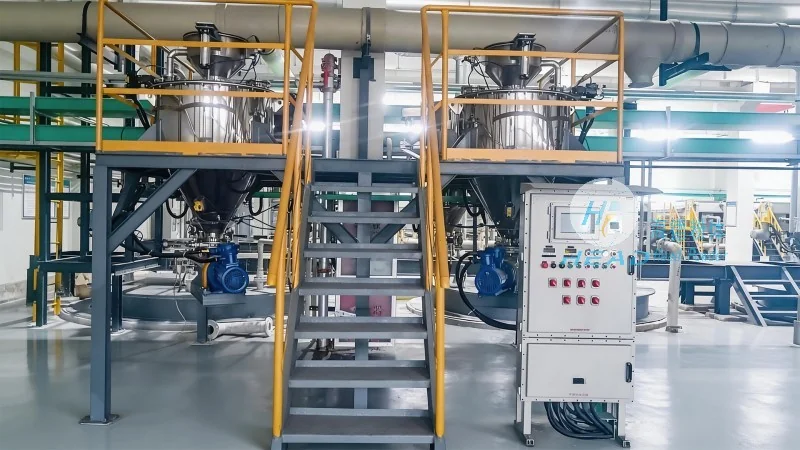
Key Factors to Consider When Selecting a Pneumatic Conveying System for Coal Particles
Choosing the right pneumatic conveying system for coal particles requires a thorough evaluation of several key factors. The first and most important consideration is the physical characteristics of the coal particles themselves. Coal can vary widely in size, density, moisture content, and abrasiveness, all of which directly influence the type of conveying system that will perform optimally. For instance, fine coal powders may require a high-pressure or dilute-phase system to prevent clogging and ensure consistent flow, whereas larger, coarser coal lumps might be better suited to a low-pressure or dense-phase system that offers more control over material movement.
Another critical factor is the distance and layout of the conveying route. The required conveying distance will determine whether a positive displacement system or a venturi system is more appropriate. Positive displacement systems, such as rotary lobe or rotary screw pumps, are ideal for long-distance or high-pressure applications, providing reliable transport over extended distances. In contrast, venturi systems, which use high-velocity air to draw material through a pipeline, are often preferred for shorter distances or when gentle handling of the coal particles is necessary to avoid degradation or breakage.
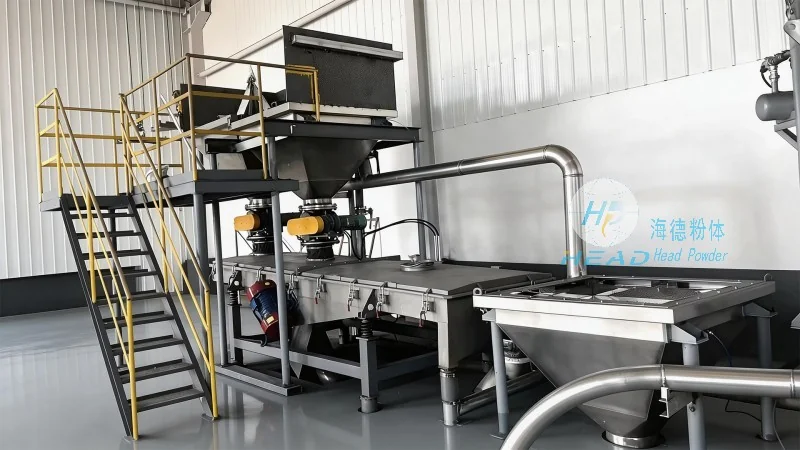
System efficiency and energy consumption are also paramount. Modern pneumatic conveying systems should be designed to minimize energy usage while maximizing throughput. Factors such as air pressure, flow rate, and system design (e.g., straight versus curved pipelines) all contribute to energy efficiency. Additionally, the choice of system should consider maintenance requirements and long-term operational costs. A system that is easy to maintain and has lower lifecycle costs will provide better value over time.
About Shandong HeadPowder Engineering Co., Ltd.
Shandong HeadPowder Engineering Co., Ltd., commonly known as HeadPowder, is a leading provider of specialized engineering solutions for material handling and processing. With a strong focus on innovation and customer-centric design, HeadPowder has established itself as a trusted partner in the coal and bulk material handling industry. The company’s expertise lies in developing and implementing customized pneumatic conveying systems that meet the unique demands of coal particle handling processes. HeadPowder’s team of engineers and technicians work closely with clients to understand their operational requirements, material characteristics, and budget constraints, ensuring that the final solution is both effective and cost-efficient.
HeadPowder’s commitment to quality and reliability is reflected in its state-of-the-art manufacturing facilities and rigorous quality control processes. The company adheres to international standards and best practices in the design, fabrication, and installation of pneumatic conveying systems. By leveraging advanced technology and a deep understanding of material handling principles, HeadPowder delivers systems that enhance productivity, reduce operational costs, and improve overall safety in coal handling operations. HeadPowder’s solutions are tailored to meet the specific needs of clients, whether they are in the mining, power generation, or industrial sectors.
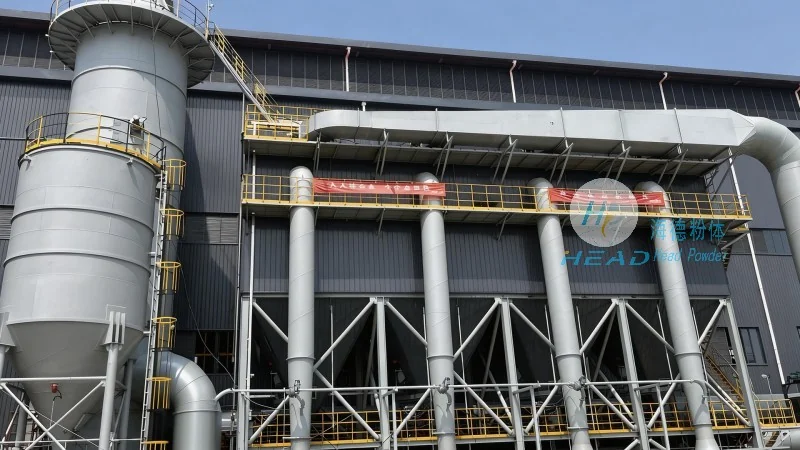
Customized Solutions for Coal Particle Handling
HeadPowder understands that every coal handling operation is unique, and a one-size-fits-all approach is often insufficient. Therefore, the company offers customized pneumatic conveying systems that are designed to address the specific challenges of each client. These solutions may include a combination of system components such as feeders, cyclones, filters, and control systems, all integrated to work seamlessly together. The company’s engineers use advanced simulation tools to model the conveying process and optimize system performance before installation, ensuring that the final system meets or exceeds the client’s expectations.
For example, HeadPowder may recommend a high-pressure, positive displacement system for a coal mine with long-distance transport requirements, where the system needs to handle coarse coal particles over several kilometers. Alternatively, for a power plant that requires gentle handling of fine coal powders to prevent dust generation and material degradation, a venturi system with a cyclone separator and dust collection system might be the optimal choice. In each case, HeadPowder’s expertise ensures that the chosen system is tailored to the specific material characteristics, operational conditions, and budget constraints of the client.
Benefits of Choosing a HeadPowder Pneumatic Conveying System
Implementing a HeadPowder pneumatic conveying system for coal particle handling offers numerous benefits. Firstly, the system enhances operational efficiency by ensuring consistent and reliable material transport, reducing downtime caused by clogs or system failures. This leads to increased productivity and reduced labor costs. Secondly, the systems are designed to minimize energy consumption, resulting in lower operational costs and a smaller environmental footprint. Additionally, the gentle handling of coal particles by appropriate systems helps maintain the quality of the material, which is crucial for downstream processes such as combustion or processing.
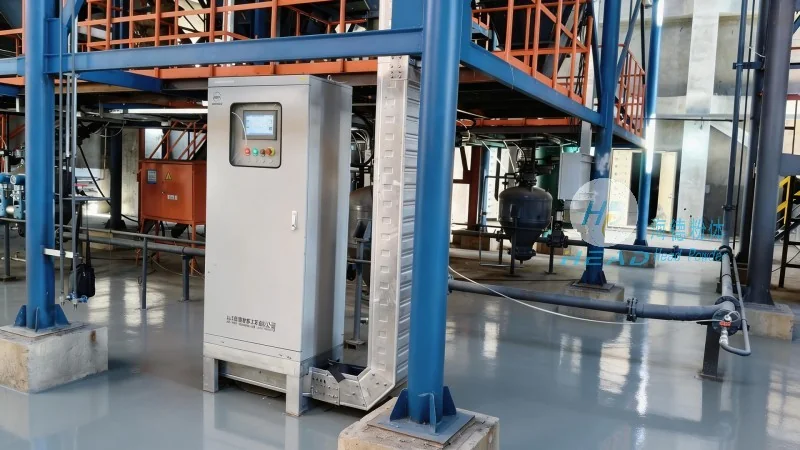
Another key benefit is the improved safety provided by modern pneumatic conveying systems. By eliminating the need for manual handling of coal particles, the risk of dust explosions, material spills, and worker injuries is significantly reduced. HeadPowder’s systems are equipped with advanced safety features, including pressure relief valves, dust suppression systems, and automated controls, to ensure safe operation in coal handling environments. Finally, the long-term reliability of HeadPowder’s systems, combined with comprehensive maintenance support, ensures that clients can rely on their equipment for years to come, providing a solid return on investment.
Conclusion
Selecting the right pneumatic conveying system for your coal particle handling process is a decision that requires careful consideration of material characteristics, operational requirements, and long-term goals. By evaluating factors such as particle size, conveying distance, system efficiency, and maintenance needs, you can choose a system that maximizes productivity and minimizes costs. Shandong HeadPowder Engineering Co., Ltd. offers a range of customized solutions that are tailored to meet the unique demands of coal handling operations, providing reliable, efficient, and cost-effective systems that enhance operational performance and safety. Whether you are in the mining, power generation, or industrial sector, HeadPowder’s expertise and commitment to quality make it a trusted partner for your pneumatic conveying needs.