

Introduction to Baking Soda Pneumatic Conveying System Equipment and Structural Principle
HeadPowder, a leading enterprise in the field of pneumatic conveying technology, specializes in the design, manufacturing, and supply of advanced equipment tailored for the efficient handling of baking soda. This article provides a comprehensive overview of the equipment used in baking soda pneumatic conveying systems, along with an explanation of its structural principles and operational mechanisms.
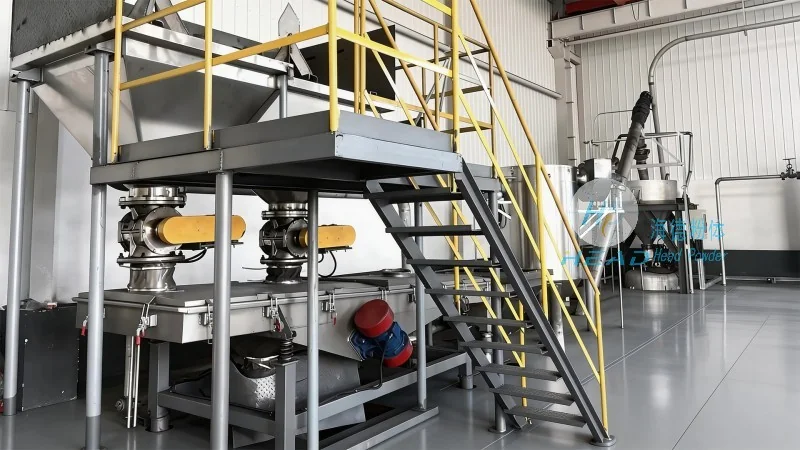
Overview of Baking Soda Pneumatic Conveying Equipment
At the core of the baking soda pneumatic conveying system is a series of specialized components engineered to ensure reliable and efficient material transport. The equipment typically includes a feeding device, a conveying pipeline, a dust collector, and a control system. Each component plays a crucial role in the seamless operation of the entire system. The feeding device is responsible for accurately metering the baking soda into the pipeline, while the conveying pipeline, often made of corrosion-resistant materials such as stainless steel or polyethylene, facilitates the movement of the material under pressure. The dust collector is integrated to capture and filter any airborne particles, ensuring environmental compliance and product purity. The control system, equipped with advanced sensors and automation features, monitors and regulates the flow rate, pressure, and other critical parameters to maintain optimal performance.
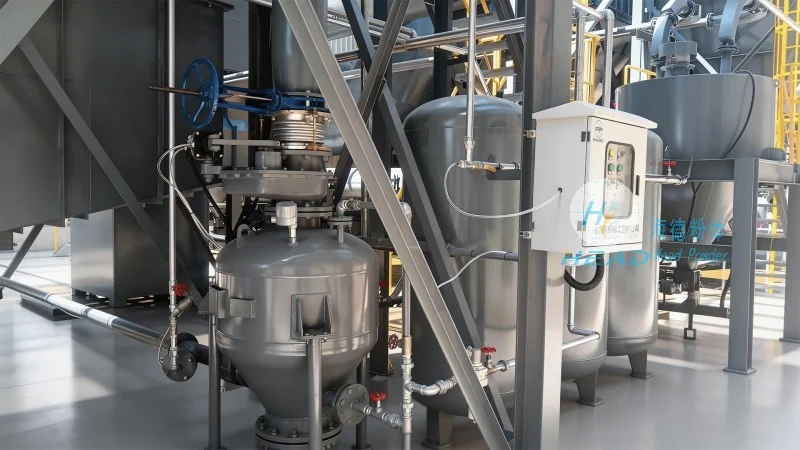
Structural Principle of the Pneumatic Conveying System
The structural principle of the baking soda pneumatic conveying system is based on the fundamental concept of transporting solid materials through a gas stream. The system operates by generating a high-pressure air flow within the pipeline, which propels the baking soda particles forward. This method, known as positive pressure pneumatic conveying, is particularly effective for handling fine powders like baking soda, as it minimizes product degradation and ensures consistent flow rates. The equipment's design incorporates several key structural elements: the hopper, which stores the baking soda and feeds it to the feeder; the rotary valve, which controls the flow of material from the hopper to the pipeline; and the air compressor, which generates the necessary pressure for conveying. The pipeline system is designed with appropriate bends and elbows to accommodate the material's trajectory, while maintaining minimal pressure drop to prevent material settling. The dust collector, equipped with a filter and cleaning mechanism, captures any particles that escape the pipeline, ensuring that the system operates in a clean and safe environment.
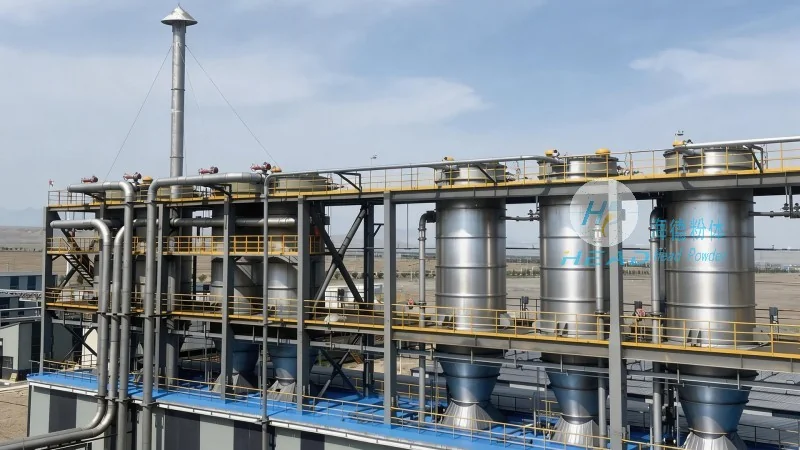
Key Features and Advantages of the Equipment
The baking soda pneumatic conveying equipment from HeadPowder offers several advantages that make it an ideal choice for industrial applications. Firstly, the system provides a high degree of automation, reducing the need for manual intervention and minimizing labor costs. The advanced control system allows for precise regulation of the conveying process, ensuring consistent product quality and preventing over or under-conveying. Secondly, the equipment is designed for durability and low maintenance, with components made from high-quality materials that resist corrosion and wear. This results in longer operational life and lower maintenance expenses. Thirdly, the system is highly efficient in terms of energy consumption, as the air compressor is optimized to operate at the lowest possible pressure while maintaining the required flow rate. This not only reduces operational costs but also contributes to environmental sustainability. Additionally, the equipment is compliant with international safety and environmental standards, ensuring that it meets the regulatory requirements for industrial operations.
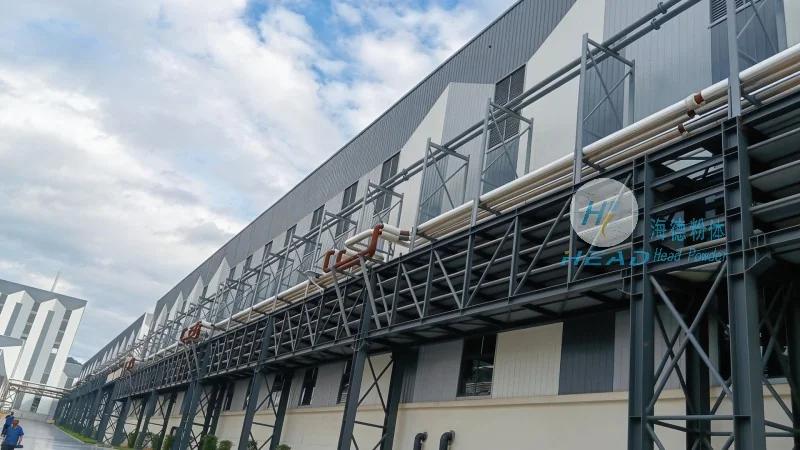
Application Scenarios and Operational Considerations
The baking soda pneumatic conveying system is widely used in various industries, including food processing, pharmaceuticals, and chemical manufacturing. In the food industry, it is commonly employed for the transport of baking soda in baking and food production lines, where hygiene and product purity are paramount. The system's ability to maintain a clean and dust-free environment makes it suitable for such applications. In the pharmaceutical industry, the equipment is used for the handling of baking soda in production processes that require stringent quality control. The system's design ensures that the material is handled in a sterile and controlled manner, preventing contamination. In the chemical industry, the equipment is utilized for the transport of baking soda in chemical synthesis and processing operations. The system's robust construction and corrosion-resistant materials make it suitable for handling various chemical environments. Operational considerations for the system include regular maintenance of the air compressor and filter, as well as monitoring the pressure and flow rates to ensure optimal performance. Proper training of operators is also essential to ensure safe and efficient operation of the equipment.