

Introduction to PTA Pneumatic Conveying: Structure and Working Principles
PTA (Polyethylene Terephthalate Acid) serves as a crucial raw material in the production of polyester fibers and resins. Pneumatic conveying systems are widely utilized in the chemical and material processing sectors to transport PTA and other bulk materials efficiently. This article offers an overview of PTA pneumatic conveying systems, with a focus on their structural components and operational principles.
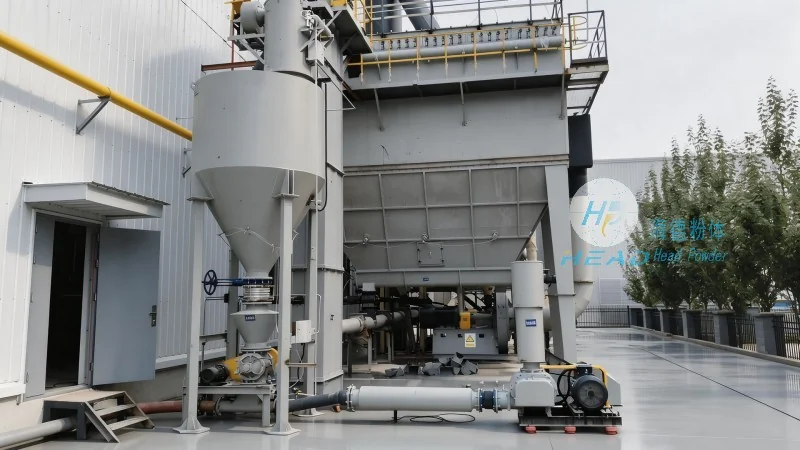
Key Components of PTA Pneumatic Conveying Systems
PTA pneumatic conveying systems typically comprise several critical components that function together to move material from the source to the destination. The primary components include the material feed hopper, the conveying line (which often incorporates bends and straight sections), the air supply system (usually a blower or compressor), and the receiving hopper or silo. Each component is essential for ensuring the smooth and efficient operation of the system.
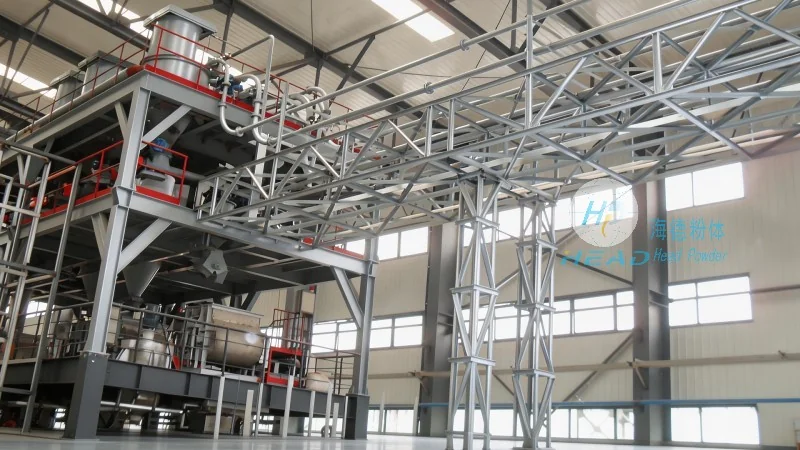
Structural Design of PTA Pneumatic Conveying Systems
The structural design of PTA pneumatic conveying systems is engineered to accommodate the specific properties of PTA, such as its particle size, density, and flow characteristics. The feed hopper is designed with a sloped bottom to facilitate material flow and prevent clogging. The conveying line is commonly constructed from corrosion-resistant materials like stainless steel to withstand the acidic nature of PTA and other chemicals. Bends and elbows are strategically placed to minimize pressure loss and maintain the material's velocity. The air supply system is sized to provide adequate air volume and pressure to overcome resistance within the conveying line and lift the material to the desired height.
Working Principles of PTA Pneumatic Conveying
The working principle of PTA pneumatic conveying involves the use of compressed air to transport material in a fluidized or suspended state. When air is introduced into the conveying line at a high velocity, it creates a negative pressure or a positive pressure environment that lifts and moves the PTA particles. The material is carried along the line by the air stream, and the system's design ensures that the particles remain suspended until they reach the receiving hopper. The velocity of the air and the size of the particles determine the efficiency of the conveying process, with optimal conditions balancing material transport and energy consumption.
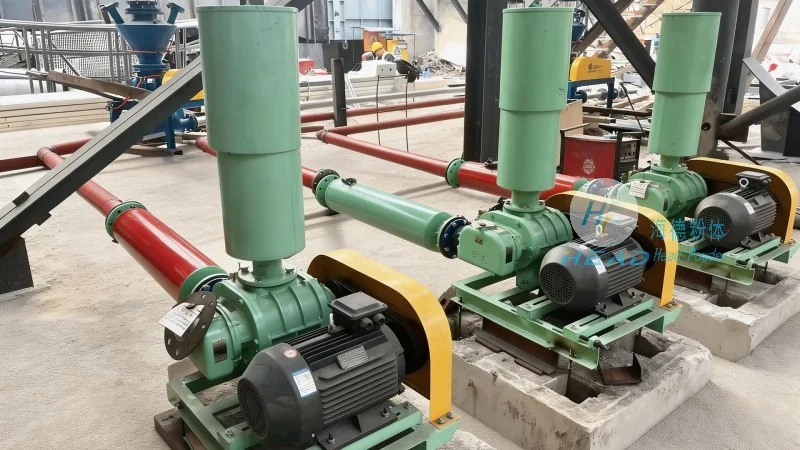
About Shandong HeadPowder Engineering Co., Ltd.
Shandong HeadPowder Engineering Co., Ltd., operating under the brand name headpowder, is a leading manufacturer of pneumatic conveying systems and related industrial equipment. With a focus on innovation and quality, the company specializes in designing and manufacturing custom solutions for the chemical, food, and pharmaceutical industries. HeadPowder's expertise lies in understanding the unique requirements of each application and providing reliable, efficient, and cost-effective conveying solutions. The company's headquarters is located in Shandong, China, where it maintains state-of-the-art manufacturing facilities and a dedicated team of engineers and technicians.