

Introduction to Bulk Bag Unloading Pneumatic Conveying and Its Structural Principles
HeadPowder, a leading engineering company based in Shandong, China, specializes in providing advanced solutions for bulk material handling. This article focuses on the bulk bag unloading pneumatic conveying system, detailing its operational overview and structural principles to enhance understanding of this efficient material transfer technology.
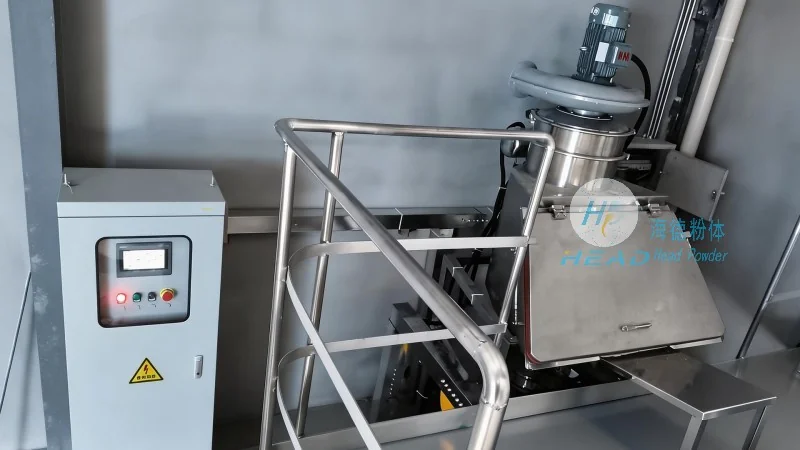
Overview of Bulk Bag Unloading Pneumatic Conveying
Bulk bag unloading pneumatic conveying is a sophisticated method used to transfer bulk materials from flexible containers, such as bulk bags or super sacks, into processing equipment or storage systems. This technology offers significant advantages over traditional manual or mechanical unloading methods, including improved safety, reduced labor costs, and enhanced material handling efficiency. The system typically integrates a vacuum or pressure source to create airflow that draws or pushes the material from the bag into a conveying line, ensuring a seamless and controlled transfer process.
Key Components and Structural Design
The bulk bag unloading pneumatic conveying system consists of several critical components, each designed to work in harmony to achieve efficient material transfer. The primary components include the bulk bag itself, a discharge valve or spout, a vacuum or pressure source (such as a fan or blower), a conveying line, and a receiving hopper or storage tank. The structural design emphasizes durability and ease of maintenance, with components constructed from high-quality materials to withstand the demands of industrial environments.
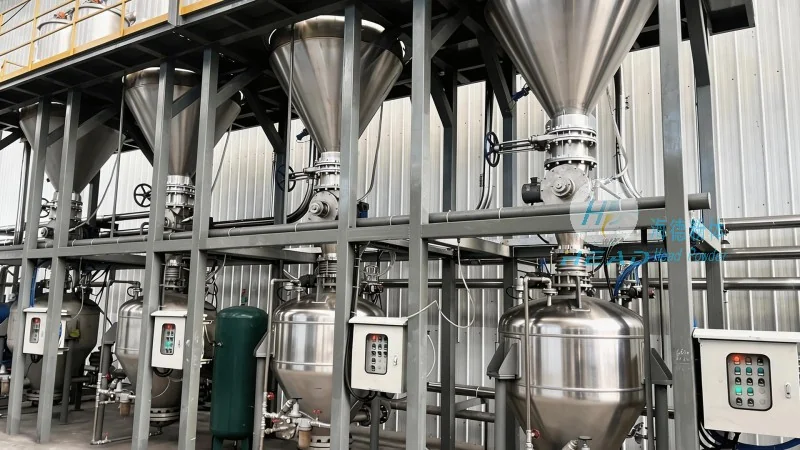
Working Principle of the System
The operational principle of the bulk bag unloading pneumatic conveying system is based on the principles of fluid dynamics and air movement. When the system is activated, the vacuum or pressure source generates airflow that enters the bulk bag through the discharge spout. This airflow creates a negative pressure (in vacuum systems) or positive pressure (in pressure systems) that pulls the material from the bag into the conveying line. The material is then transported through the line to the receiving point, where it is deposited into the storage system. The system is equipped with control mechanisms to regulate airflow and material flow, ensuring precise and consistent operation.
Advantages of Bulk Bag Unloading Pneumatic Conveying
Implementing a bulk bag unloading pneumatic conveying system offers numerous benefits for industrial operations. These advantages include reduced exposure to dust and contaminants, as the material is contained within the bag and transferred through a sealed system. Additionally, the system minimizes material spillage and loss, improving overall material recovery rates. The automated nature of the process reduces labor requirements and associated costs, while also enhancing workplace safety by eliminating manual handling of heavy or hazardous materials. Furthermore, the system can handle a wide range of materials, including powders, granules, and bulk solids, making it versatile for various industrial applications.
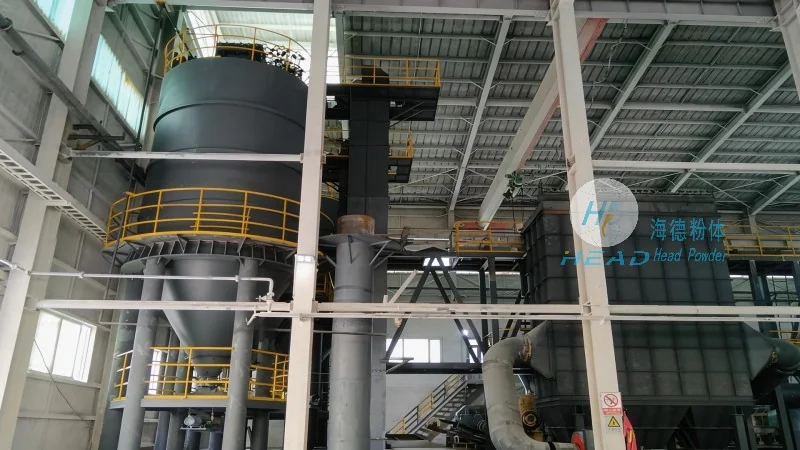
Application Examples and Industry Use Cases
Bulk bag unloading pneumatic conveying is widely used across multiple industries, including chemical, pharmaceutical, food processing, and mining. In the chemical industry, it is commonly employed to transfer raw materials and intermediates into processing reactors. The pharmaceutical sector utilizes this technology to handle active pharmaceutical ingredients (APIs) and other sensitive materials, ensuring strict contamination control. The food processing industry benefits from the system's ability to handle food-grade powders and granules, maintaining hygiene standards. In the mining industry, bulk bag unloading is used to transfer ore and other bulk materials from storage to processing equipment, improving operational efficiency.
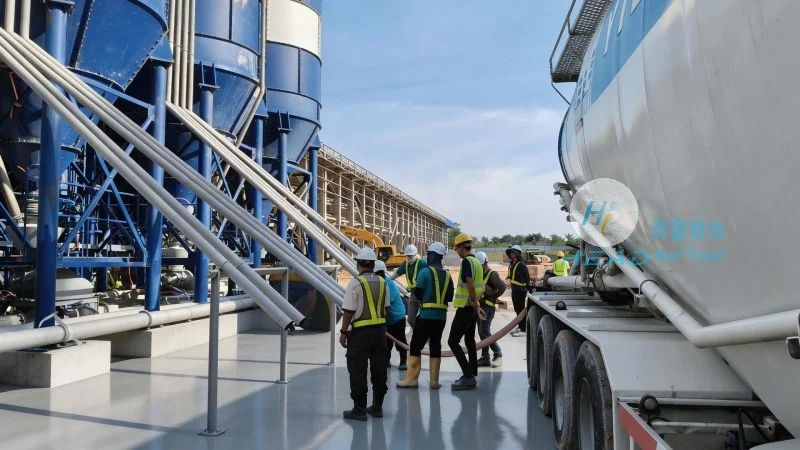
Maintenance and Operational Considerations
Proper maintenance and operational considerations are essential to ensure the longevity and efficiency of the bulk bag unloading pneumatic conveying system. Regular inspection of components, such as the discharge valve, conveying line, and air source, is crucial to identify and address potential issues before they impact performance. Cleaning the system periodically, especially after handling different materials, helps prevent clogging and ensures consistent airflow. Additionally, monitoring air pressure and flow rates during operation allows for adjustments to maintain optimal performance. Following the manufacturer's guidelines for maintenance and operation is recommended to maximize the system's lifespan and minimize downtime.
Conclusion
Bulk bag unloading pneumatic conveying is a highly effective and efficient technology for handling bulk materials in industrial settings. By understanding its structural components and operational principles, businesses can leverage this system to improve material handling processes, enhance safety, and reduce operational costs. HeadPowder, with its expertise in engineering solutions, continues to provide reliable and advanced bulk material handling systems to meet the evolving needs of industries worldwide.