

Role of Pneumatic Conveying in Corn Kernel Transportation
For agricultural operations, efficient and reliable transport of bulk materials like corn kernels is crucial for maintaining productivity and quality. Among the various methods available, pneumatic conveying stands out as a versatile and effective solution. This article explores the critical role of pneumatic conveying in the transportation of corn kernels, highlighting its benefits, applications, and the expertise of Shandong HeadPowder Engineering Co., Ltd. in implementing such systems.
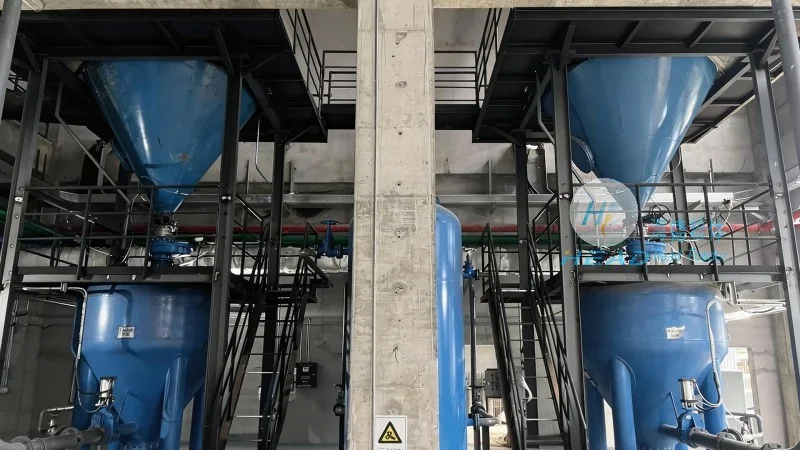
Understanding Pneumatic Conveying Systems
Pneumatic conveying systems utilize air or gas to transport solid materials through a pipeline. This method is particularly suitable for corn kernels due to their size, density, and the need for gentle handling to prevent damage. The system typically consists of a hopper, a blower or compressor, a pipeline network, and a discharge unit. The corn kernels are fed into the hopper, and as air is introduced, it lifts and propels the kernels through the pipeline to the desired destination. This process can be either positive pressure (where air pushes the material) or negative pressure (where air is drawn, creating a vacuum to pull the material).
Benefits of Pneumatic Conveying for Corn Kernel Transport
Implementing pneumatic conveying for corn kernel transportation offers several advantages. Firstly, it provides a dust-free and enclosed environment, which is essential for maintaining the quality of the corn kernels and ensuring a safe working environment. Unlike traditional methods like belt conveyors or bucket elevators, pneumatic systems minimize exposure to airborne particles, reducing the risk of contamination and improving product purity. Secondly, the system allows for gentle handling of the kernels, preventing breakage and maintaining their integrity. This is vital for preserving the nutritional value and marketability of the corn, especially for high-value varieties. Thirdly, pneumatic conveying offers flexibility in terms of layout and integration with existing facilities. The pipeline can be easily routed around obstacles, and the system can be expanded or reconfigured as operational needs change. Additionally, it enables efficient transport over long distances without the need for multiple transfer points, streamlining the overall process.
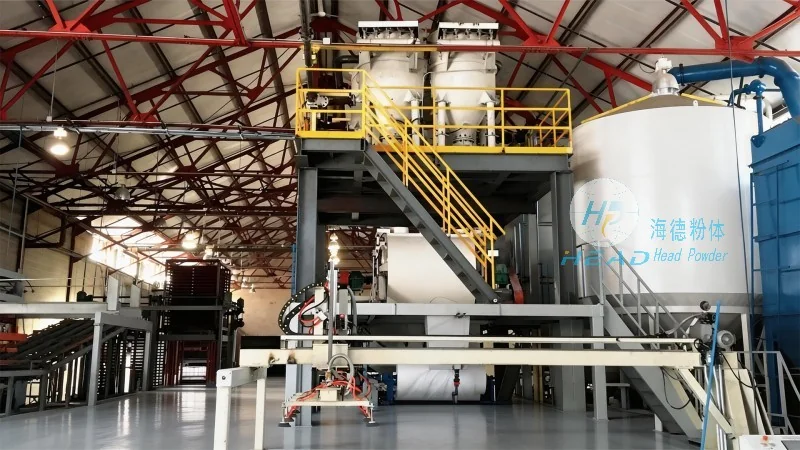
Applications in Corn Processing and Storage
Pneumatic conveying plays a pivotal role in various stages of corn processing and storage. In the initial stages, after harvesting and cleaning, corn kernels are often stored in silos or bulk storage facilities. Pneumatic systems are used to transfer the kernels from the storage silos to processing units such as dryers, mills, or grinding equipment. This ensures a continuous and controlled flow of material, optimizing the processing efficiency. During the drying process, the corn kernels are moved through the dryer using pneumatic conveyors, which helps in achieving uniform moisture content and preventing hot spots. In milling operations, the system transports the corn to the grinding mills, where it is processed into flour, grits, or other products. The gentle handling of the kernels by the pneumatic system ensures that the final products retain their quality and nutritional characteristics. Furthermore, in storage facilities, pneumatic conveyors are used to move corn from storage bins to packaging lines or distribution centers, ensuring a smooth and efficient supply chain.
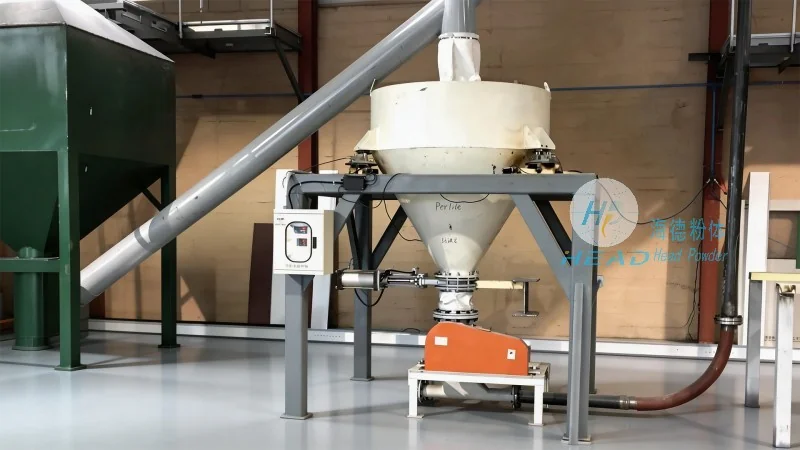
Expertise of Shandong HeadPowder Engineering Co., Ltd.
Shandong HeadPowder Engineering Co., Ltd., operating under the brand name headpowder, specializes in the design, manufacturing, and installation of pneumatic conveying systems tailored for agricultural and industrial applications. With a focus on corn kernel transportation, the company leverages advanced engineering principles and years of industry experience to deliver customized solutions that meet the specific needs of clients. The company’s team of experts works closely with clients to assess their operational requirements, material characteristics, and site constraints to develop optimal conveying systems. This includes selecting the appropriate type of pneumatic system (e.g., pressure or vacuum), determining the right pipeline diameter and length, and integrating the system with existing equipment. HeadPowder’s commitment to quality and innovation ensures that their systems are efficient, reliable, and durable, providing long-term value to agricultural operations.
Conclusion
In conclusion, pneumatic conveying is a highly effective method for transporting corn kernels, offering numerous benefits over traditional transport methods. Its ability to handle the material gently, maintain quality, and provide a dust-free environment makes it an ideal choice for modern agricultural operations. With the expertise of companies like Shandong HeadPowder Engineering Co., Ltd., the implementation of pneumatic conveying systems has become more accessible and efficient, enabling farmers and processors to enhance their productivity and product quality. As the demand for efficient bulk material handling continues to grow, pneumatic conveying will remain a critical technology in the corn industry, supporting the sustainable and profitable operation of agricultural businesses.