

The Role of Pneumatic Conveying in Foundry Sand Handling
For foundry operations, efficient material handling is crucial to maintaining production efficiency and reducing operational costs. Among various methods, pneumatic conveying stands out as a highly effective solution for transporting foundry sand, offering advantages such as minimal maintenance, flexibility in layout, and the ability to handle abrasive materials without causing wear and tear on equipment. This article explores the critical role of pneumatic conveying systems in the handling of foundry sand, highlighting how they enhance productivity and ensure safe material transport within foundry environments.
Introduction to Pneumatic Conveying Systems
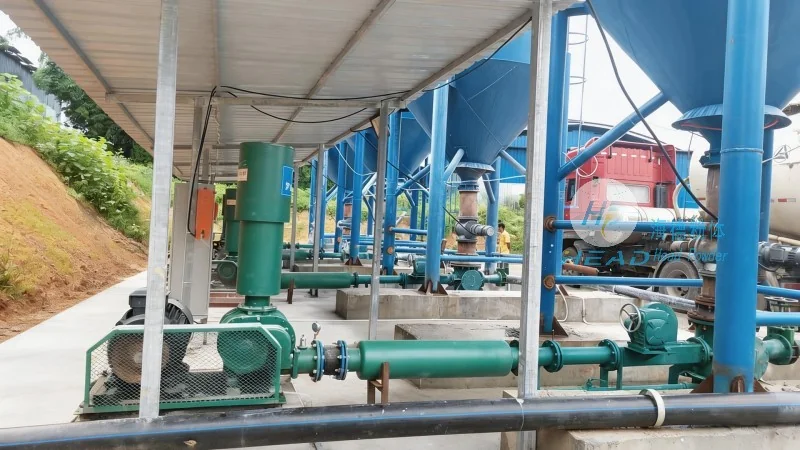
Pneumatic conveying systems utilize air or other gases to transport bulk materials like foundry sand through a pipeline network. Unlike traditional mechanical conveying methods, which rely on belts, buckets, or screws, pneumatic systems employ air pressure to move materials, making them particularly suitable for abrasive and dusty materials common in foundry applications. The core components of a pneumatic conveying system typically include a hopper for material storage, a blower or compressor to generate airflow, a pipeline system for material transport, and a receiver or discharge point for the material. These components work in tandem to ensure reliable and continuous material flow, minimizing downtime and maximizing throughput.
Advantages of Pneumatic Conveying for Foundry Sand
Implementing pneumatic conveying for foundry sand offers several key benefits that directly impact operational performance. First, it reduces the risk of material contamination and cross-contamination, as the system is enclosed and sealed, preventing dust and particles from escaping into the environment or other production areas. This is especially important in foundries where cleanliness and material purity are critical for quality control. Second, pneumatic systems are highly flexible in terms of layout, allowing for complex and non-linear transport routes without the need for extensive reconfiguration of equipment. This flexibility enables foundries to adapt their material handling processes to changing production demands or facility expansions. Third, the enclosed nature of pneumatic conveying minimizes dust exposure for workers, contributing to a safer working environment and compliance with occupational health and safety regulations. Additionally, these systems are generally low-maintenance, as they have fewer moving parts compared to mechanical conveyors, reducing the need for frequent repairs and extending the lifespan of the equipment.
Key Components and Their Function in Foundry Sand Handling
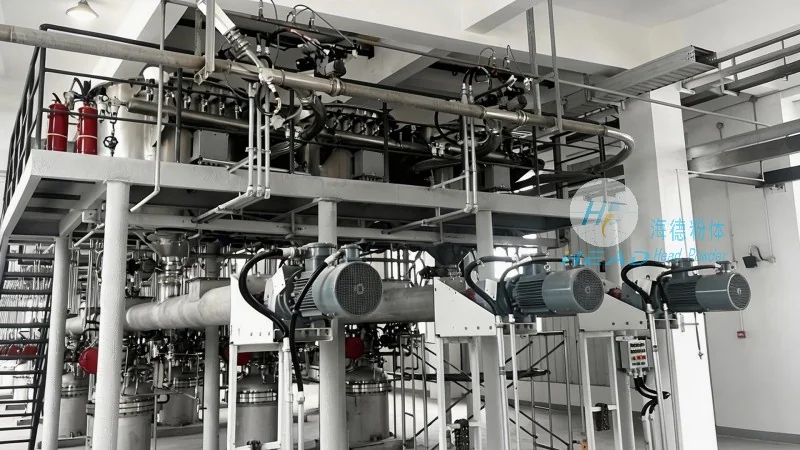
Each component of a pneumatic conveying system plays a vital role in ensuring efficient foundry sand transport. The material hopper is designed to store the foundry sand and feed it into the system at a controlled rate, preventing overloading and ensuring consistent material flow. The blower or compressor generates the necessary air pressure to move the sand through the pipeline. The pipeline system, typically made of stainless steel or other corrosion-resistant materials, is engineered to withstand the abrasive nature of foundry sand and maintain air pressure. The receiver or discharge point collects the sand at the end of the transport line, allowing for easy unloading into storage bins or processing equipment. The choice of components, such as the type of blower (positive displacement or centrifugal) and the material of the pipeline, is critical to the system's performance and longevity.
Applications in Foundry Operations
Pneumatic conveying systems are widely used in various stages of foundry operations, from raw material transport to waste management. In the raw material stage, these systems can transport foundry sand from storage silos to the molding or casting areas, ensuring a steady supply of material for production. During the casting process, pneumatic conveying can be used to move sand from the molding area to the reclamation or recycling system, where it is cleaned and reused. In waste management, pneumatic systems are effective for transporting sand from the casting floor to disposal or recycling facilities, minimizing the need for manual handling and reducing the risk of injury. The versatility of pneumatic conveying makes it adaptable to different foundry processes, including green sand molding, no-bake molding, and investment casting, each with its unique material handling requirements.
Case Study: Implementation at Shandong HeadPowder Engineering Co., Ltd.
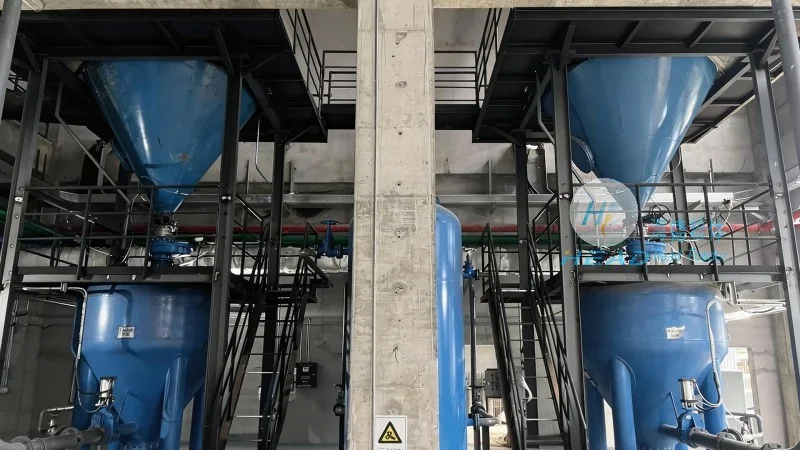
Shandong HeadPowder Engineering Co., Ltd., a leading provider of material handling solutions based in Shandong, China, has successfully implemented pneumatic conveying systems for numerous foundry clients. One notable case involved a large foundry that was experiencing frequent equipment breakdowns and high maintenance costs due to traditional mechanical conveying systems. By installing a custom-designed pneumatic conveying system, the foundry was able to reduce downtime by 40% and lower maintenance costs by 30%. The system was tailored to handle the specific type of foundry sand used in their production, with components selected to withstand the abrasive nature of the material. The enclosed pipeline design also improved the working environment by reducing dust levels, leading to higher employee satisfaction and compliance with local environmental regulations. This case study highlights the effectiveness of pneumatic conveying in improving foundry operations and demonstrates the expertise of Shandong HeadPowder in providing tailored solutions for material handling challenges.
Conclusion and Future Trends
Pneumatic conveying systems continue to be a vital technology in the foundry industry, offering efficient, flexible, and low-maintenance solutions for foundry sand handling. As foundries strive to improve productivity and reduce costs, the adoption of advanced pneumatic conveying systems will likely increase. Future trends may include the integration of automation and sensors into these systems, enabling real-time monitoring of material flow and system performance. Additionally, advancements in material science may lead to the development of more durable and corrosion-resistant components, further enhancing the longevity and reliability of pneumatic conveying systems. For foundries looking to optimize their material handling processes, pneumatic conveying remains a reliable and effective choice, supported by companies like Shandong HeadPowder Engineering Co., Ltd., who specialize in designing and implementing customized solutions for foundry operations.