

Introduction to Stone Pneumatic Conveying: Structure and Principle Explanation
Pneumatic conveying systems have become essential in material handling for industries dealing with bulk materials, including stones and aggregates. This technology enables the efficient transport of solid particles through a pipeline using air or gas as the conveying medium. For applications involving stone materials, the design and structure of such systems are tailored to handle the specific characteristics of these granular substances, ensuring reliable and low-maintenance operation. The fundamental principle revolves around creating a pressure differential or using vacuum to move the material through the system.
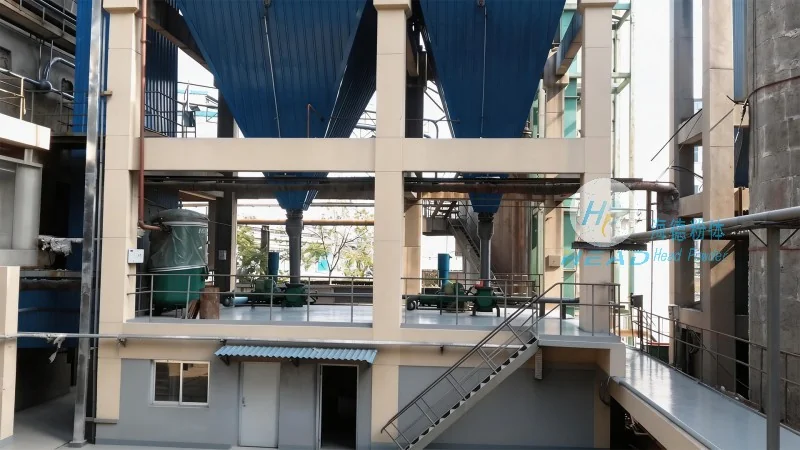
Key Structural Components of Stone Pneumatic Conveying Systems
The typical structure of a stone pneumatic conveying system includes several critical components that work in concert to achieve effective material transport. The primary elements are the feeding unit, which introduces the stone material into the system; the air supply system, which provides the necessary airflow; the conveying pipeline, which carries the material and air mixture; and the separation and discharge equipment, which collects the stone at the destination and separates it from the air.
Each component plays a vital role in the overall functionality. The feeding unit, often a hopper or a rotary valve, ensures a consistent and controlled flow of stone particles into the pipeline, preventing blockages and maintaining system efficiency. The air supply system, which may include a blower or a vacuum pump, generates the pressure or vacuum required to move the material. The conveying pipeline is typically made of durable materials like stainless steel or PVC to withstand the abrasive nature of stone particles and the pressure differentials involved. The separation equipment, such as cyclones or filters, removes the stone from the air stream, allowing the air to be recirculated or discharged safely.
Operational Principles for Stone Material Handling
There are two main operational modes in stone pneumatic conveying: pressure conveying and vacuum conveying. Pressure conveying uses a positive pressure from a blower to push the material through the pipeline, which is suitable for short to medium distances and when the material needs to be discharged into a high-pressure environment. Vacuum conveying, on the other hand, uses a vacuum pump to draw the material into the system, making it ideal for long-distance transport and when the material must be collected from multiple sources.
For stone applications, the choice of conveying mode depends on factors such as the distance between the source and destination, the volume of material to be transported, and the required discharge pressure. The system's design must also account for the particle size, density, and moisture content of the stone, as these characteristics affect the air velocity needed for effective transport. Proper air velocity is crucial to prevent material deposition or blockages in the pipeline, which can lead to system downtime.
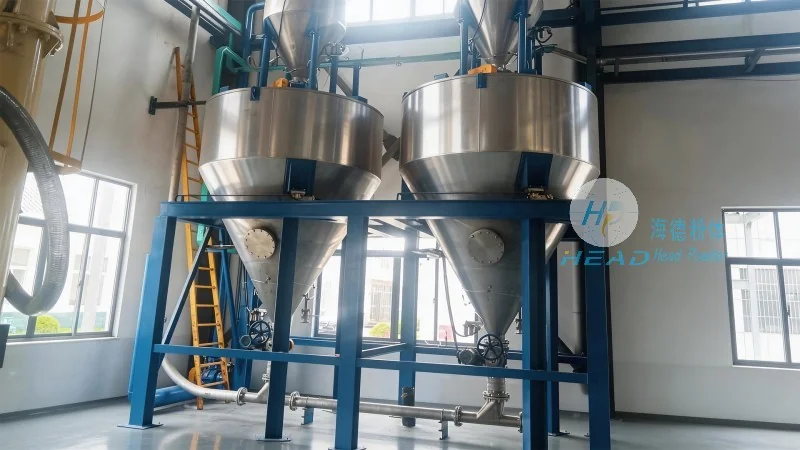
Company Profile: Shandong HeadPowder Engineering Co., Ltd.
Shandong HeadPowder Engineering Co., Ltd., operating under the brand name headpowder, is a leading manufacturer and supplier of pneumatic conveying systems tailored for various industrial applications, including stone and aggregate handling. With a focus on innovation and quality, the company has established itself as a trusted partner in the material handling industry. HeadPowder specializes in designing and manufacturing customized solutions that meet the specific needs of clients, ensuring efficient and reliable operation of stone pneumatic conveying systems.
The company's headquarters is located in Shandong, China, where its team of engineers and technicians work to develop advanced technologies and materials for pneumatic conveying equipment. By leveraging years of experience and continuous research, HeadPowder provides comprehensive solutions that include not only the equipment itself but also installation, maintenance, and technical support services. This approach ensures that clients receive end-to-end support throughout the lifecycle of their stone pneumatic conveying systems.
Benefits of Using Stone Pneumatic Conveying Systems
Implementing a stone pneumatic conveying system offers numerous advantages for industrial operations. One of the key benefits is the ability to transport materials in a closed system, which minimizes dust emissions and improves workplace safety. This is particularly important for stone materials, which can generate significant dust during traditional handling methods. The closed system also helps maintain the quality of the stone by preventing contamination from external sources.
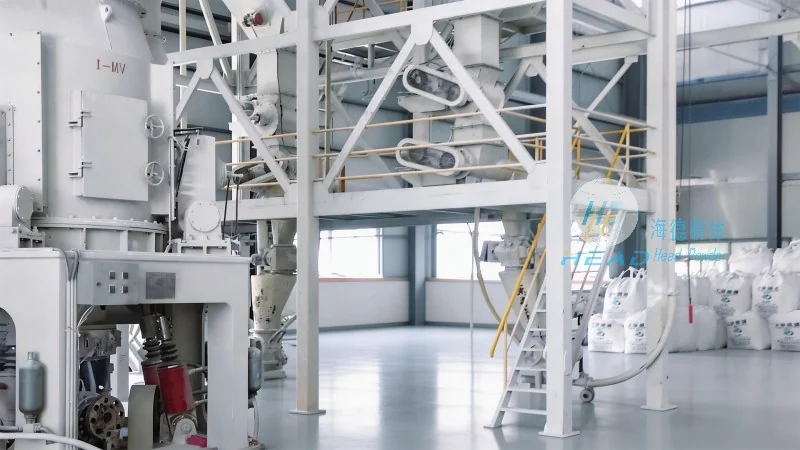
Another advantage is the flexibility of the system, which can be adapted to various operational requirements. Whether the application involves short-distance transport within a facility or long-distance transport between different locations, the system can be configured to meet the specific needs. The modular design of the equipment allows for easy expansion or modification as production needs change, providing a cost-effective solution for growing businesses.
Furthermore, pneumatic conveying systems are generally more energy-efficient compared to traditional methods like belt conveyors or trucks, especially for short to medium distances. The use of air as the conveying medium reduces the need for mechanical components that can wear out over time, leading to lower maintenance costs and longer system lifespans. This makes stone pneumatic conveying an economically viable option for industries looking to optimize their material handling processes.
Conclusion and Application Considerations
In conclusion, stone pneumatic conveying systems represent a sophisticated and efficient solution for transporting bulk stone materials. The structure and operational principles of these systems are carefully designed to handle the unique characteristics of stone particles, ensuring reliable and low-maintenance operation. By leveraging the expertise of companies like Shandong HeadPowder Engineering Co., Ltd., industries can implement tailored solutions that enhance productivity, improve safety, and reduce operational costs.
When considering the implementation of a stone pneumatic conveying system, it is essential to evaluate factors such as the material properties, transport distance, and required discharge conditions. Consulting with experienced manufacturers like HeadPowder can help in selecting the most appropriate system configuration and ensuring optimal performance. With proper design and maintenance, stone pneumatic conveying systems can provide long-term benefits and contribute to the overall efficiency of material handling operations.