

Introduction to PE Pellet Pneumatic Conveying and Structural Principles
PE pellet pneumatic conveying is a widely used technology in material handling, particularly for transporting polyethylene pellets efficiently and safely. This method involves using air or gas to move solid particles through a pipeline system. The process is crucial in industries such as plastics manufacturing, where the smooth and controlled transfer of PE pellets is essential for production continuity and product quality.
Key Features of PE Pellets in Pneumatic Conveying
PE pellets, or polyethylene pellets, are small, spherical or cylindrical particles commonly used as raw materials in plastic processing. Their uniform size and shape make them ideal for pneumatic conveying systems. The material's low moisture content and resistance to abrasion contribute to the efficiency of the conveying process. Additionally, PE pellets are lightweight, which reduces the energy consumption required for air-based transport compared to other bulk materials.
Structural Principles of Pneumatic Conveying Systems
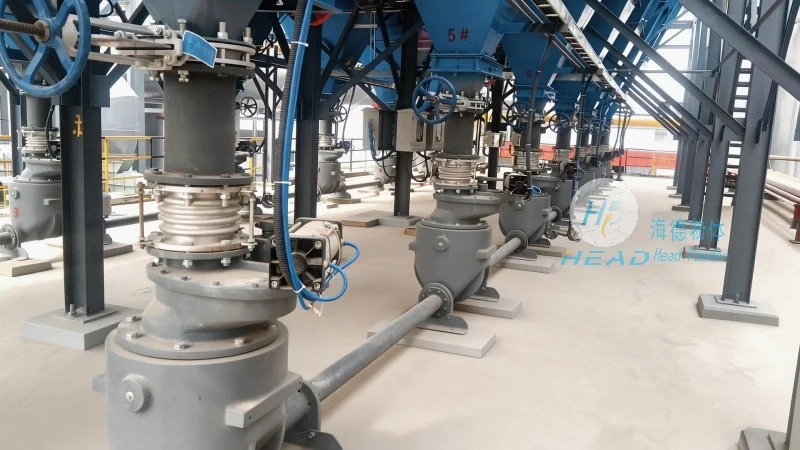
The structural principle of a pneumatic conveying system for PE pellets revolves around creating a pressure differential to move particles. The system typically consists of a hopper, a feeder, a pipeline, and a receiver. The hopper stores the PE pellets, and the feeder controls the flow rate into the pipeline. Air is introduced into the system, either through a positive pressure or negative pressure (vacuum) method, to create the necessary force to transport the pellets. The pipeline's design, including bends and fittings, is optimized to minimize pressure loss and ensure smooth particle movement.
Components and Their Functions in PE Pellet Pneumatic Conveying
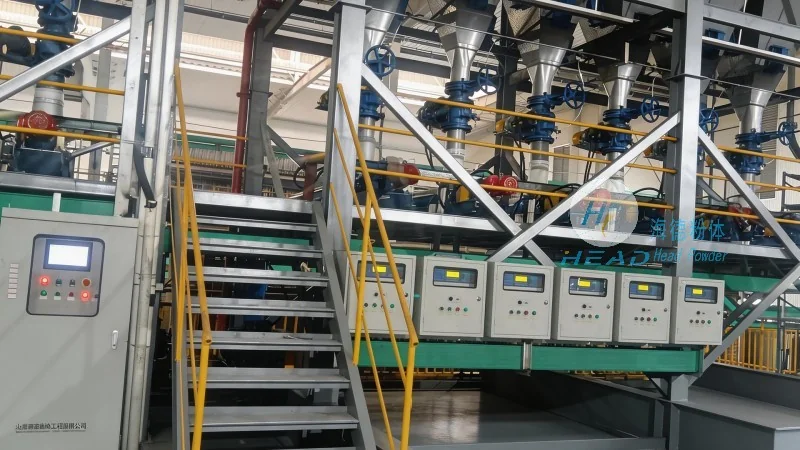
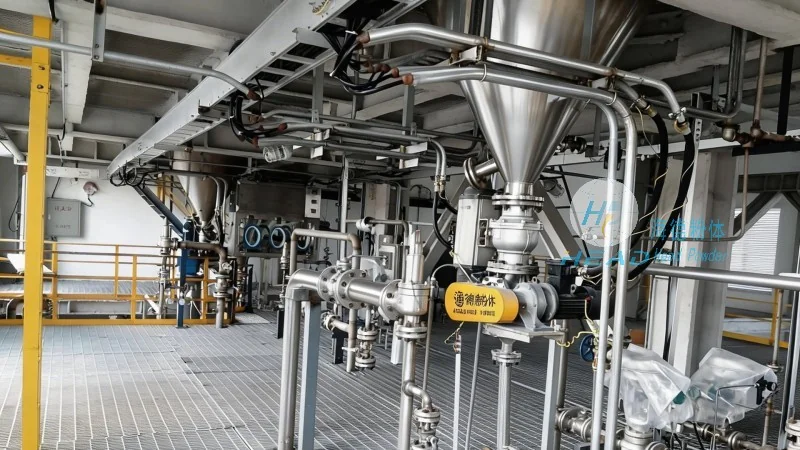
Several key components work together to ensure the effective operation of a PE pellet pneumatic conveying system. The hopper serves as the storage container, providing a consistent supply of pellets to the feeder. The feeder, often a rotary valve or screw feeder, regulates the material flow into the pipeline, preventing overfeeding or underfeeding. The pipeline is made of materials resistant to PE pellets, such as stainless steel or plastic, to avoid corrosion and material degradation. The receiver collects the conveyed pellets and may include a filter to remove any air or dust particles. The air compressor or vacuum pump provides the necessary air pressure or suction to drive the conveying process.
Advantages of Using Pneumatic Conveying for PE Pellets
Pneumatic conveying offers several advantages when handling PE pellets. It is a closed system, which helps maintain product purity and prevents contamination from external factors. The process is also flexible, allowing for horizontal, vertical, or mixed-direction transport. This adaptability makes it suitable for various plant layouts. Additionally, pneumatic conveying reduces the risk of product degradation due to exposure to air or moisture, which is critical for maintaining the quality of PE pellets. The system also minimizes labor costs by automating the material transfer process, improving overall operational efficiency.
Applications in the Plastics Industry
PE pellet pneumatic conveying is widely applied in the plastics manufacturing industry. It is used in the production of PE films, bottles, and pipes, where consistent and high-quality material transfer is essential. The technology is also utilized in recycling facilities, where PE pellets are conveyed from sorting to processing stages. The ability to handle large volumes of material efficiently makes it a preferred choice for both new material production and recycling operations.
About Shandong HeadPowder Engineering Co., Ltd.
Shandong HeadPowder Engineering Co., Ltd., operating under the brand name headpowder, is a leading provider of pneumatic conveying solutions for the plastics industry. With a focus on innovation and quality, the company specializes in designing and manufacturing systems tailored to the specific needs of PE pellet handling. HeadPowder's expertise in material handling technology ensures that their products meet the highest standards of efficiency and reliability. The company's headquarters is located in Shandong, China, where it leverages local resources and expertise to serve clients globally.