

Introduction to Pneumatic Conveying of Pulverized Fly Ash: Structure and Working Principles
For industrial applications involving the handling of pulverized fly ash, efficient and reliable material transport is crucial. Pneumatic conveying systems offer a solution that combines advanced engineering with practical functionality, enabling seamless movement of fly ash from source to destination. This article provides an overview of the pneumatic conveying process for pulverized fly ash, detailing its structural components and operational principles.
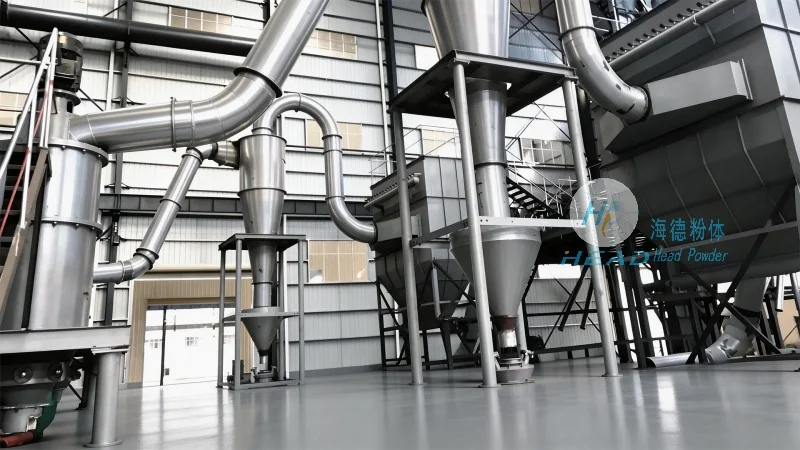
Understanding Pneumatic Conveying Systems
Pneumatic conveying systems utilize air or gas to transport bulk materials like pulverized fly ash through a pipeline network. The technology is widely adopted in industries such as power generation, construction, and waste management due to its ability to handle fine powders with minimal degradation. The core of a pneumatic conveying system lies in its ability to create a pressure differential that propels the material forward, ensuring consistent and controlled transport.
Key Structural Components of Pneumatic Conveying Systems
The design of a pneumatic conveying system for pulverized fly ash typically includes several critical components, each playing a vital role in the overall operation. These components are engineered to work in harmony to ensure efficient material handling. The main structural elements include:
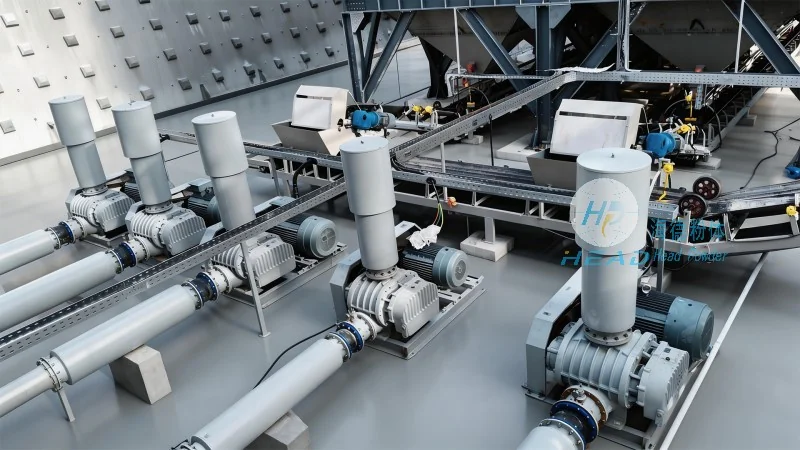
- Material Hopper: A storage vessel where the pulverized fly ash is collected before being fed into the system. The hopper is designed to maintain the material's consistency and prevent clogging, often equipped with level indicators and feeding mechanisms.
- Feeding Device: This component, such as a rotary valve or screw feeder, regulates the flow of fly ash from the hopper into the conveying line. Proper feeding is essential to maintain a consistent material flow rate, preventing blockages or uneven transport.
- Conveying Pipeline: The pipeline network that transports the fly ash from the source to the destination. The pipeline is usually made of durable materials like stainless steel or plastic, chosen for their resistance to corrosion and wear from the fine particles.
- Air Supply System: Comprised of a blower or compressor, this system generates the necessary air pressure to move the material through the pipeline. The air supply is carefully controlled to match the material's flow rate and prevent excessive pressure that could lead to system inefficiencies.
- Control Valves and Branch Lines: These components allow for the diversion of material to different destinations or for system maintenance. Control valves regulate the flow of air and material, ensuring precise control over the conveying process.
- Receiver or Discharge Hopper: The final component where the fly ash is deposited after being conveyed. The receiver is designed to handle the material's arrival and may include features like level sensors and discharge mechanisms for subsequent use.
Working Principles of Pneumatic Conveying for Pulverized Fly Ash
The operational principle of a pneumatic conveying system for pulverized fly ash is based on the creation of a pressure differential between the inlet and outlet of the pipeline. The system operates in two primary modes: dilute phase and dense phase, each with distinct characteristics suitable for different applications.
In the dilute phase mode, the material is suspended in the air stream as a fine mist, moving through the pipeline at relatively high velocities. This mode is ideal for short-distance transport and applications where material degradation is a concern. The air-to-material ratio is high, ensuring that the particles remain suspended and travel efficiently.
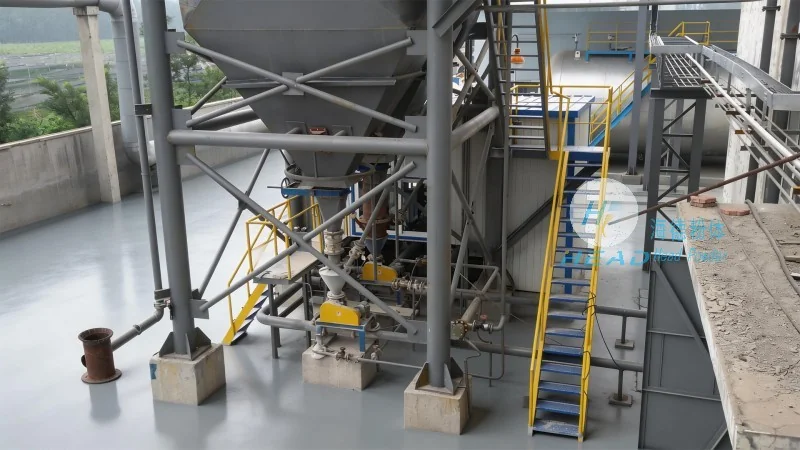
In the dense phase mode, the material is conveyed as a slurry or dense stream, with lower air velocities and higher material concentration. This mode is suitable for longer distances and applications where the material needs to be transported with minimal separation or degradation. The system maintains a higher pressure, ensuring that the material moves steadily without excessive turbulence.
Advantages of Pneumatic Conveying for Pulverized Fly Ash
Pneumatic conveying systems offer several advantages when handling pulverized fly ash, making them a preferred choice for many industrial applications. These benefits include:
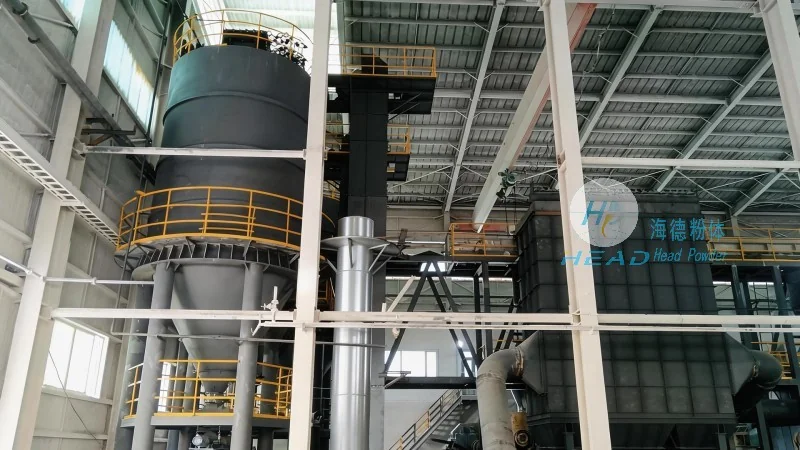
- Efficient Material Transport: The system provides a continuous and controlled flow of fly ash, reducing the need for manual handling and improving operational efficiency.
- Reduced Material Degradation: By suspending the particles in air, the system minimizes friction and impact, preserving the quality of the fly ash and preventing agglomeration.
- Flexible Layout: The pipeline network can be designed to follow the existing layout of the facility, allowing for flexible placement of the hopper, receiver, and other components.
- Low Maintenance: With fewer moving parts compared to mechanical systems, pneumatic conveying systems require less maintenance, reducing downtime and operational costs.
- Environmental Benefits: The enclosed pipeline system prevents dust emissions, contributing to a cleaner working environment and compliance with environmental regulations.
Applications of Pneumatic Conveying in Fly Ash Handling
Pneumatic conveying systems are widely used in various applications involving pulverized fly ash. Some common applications include:
- Transport to Storage Silos: Fly ash is conveyed from the power plant to storage silos for later use in construction materials like concrete and cement.
- Delivery to Processing Facilities: The system transports fly ash to processing plants where it is used as a raw material for manufacturing products such as bricks or tiles.
- Transfer Between Production Lines: In industrial plants, pneumatic conveying is used to transfer fly ash between different production stages, ensuring a smooth workflow.
- Waste Management: Fly ash from waste incineration plants is conveyed to disposal or recycling facilities, contributing to effective waste management practices.
Conclusion
Pneumatic conveying systems represent a sophisticated and efficient solution for handling pulverized fly ash. By understanding the structural components and working principles of these systems, industries can optimize their material transport processes, enhance operational efficiency, and ensure compliance with environmental standards. As a leading provider in the field, Shandong HeadPowder Engineering Co., Ltd. specializes in designing and manufacturing customized pneumatic conveying solutions tailored to the specific needs of its clients, ensuring reliable and effective fly ash handling for various industrial applications.