

Introduction to and Structural Principles of Air-Flow Transport for Glass Slag
HeadPowder, a leading engineering firm based in Shandong, China, specializes in the design and implementation of air-flow transport systems for industrial waste materials, including glass slag. This article provides a comprehensive overview of the technology, focusing on its structural principles and practical applications in waste management and recycling processes.
Understanding Glass Slag and Its Handling Requirements
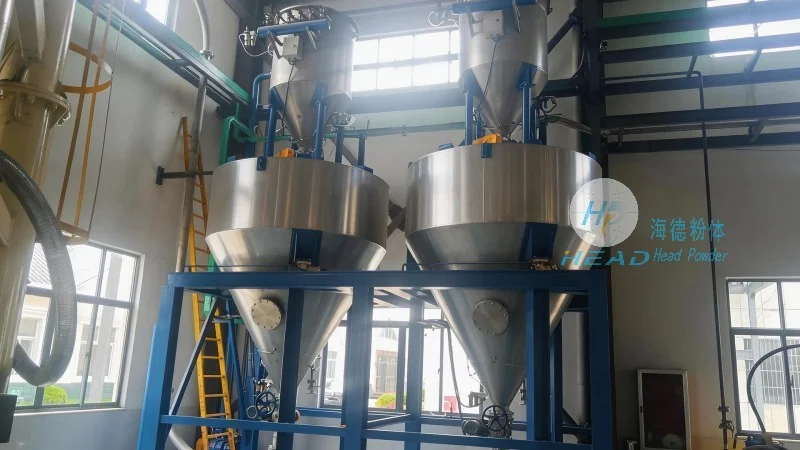
Glass slag, a byproduct of glass manufacturing processes, poses unique challenges in handling due to its abrasive nature and irregular particle size distribution. Traditional methods such as manual handling or mechanical conveyors often lead to equipment wear, operational inefficiencies, and safety hazards. Air-flow transport, or pneumatic conveying, offers a solution by utilizing compressed air to move materials through a pipeline system, minimizing direct contact and reducing the risk of contamination.
Core Components of an Air-Flow Transport System for Glass Slag
The air-flow transport system for glass slag consists of several key components that work in tandem to ensure efficient material transfer. These include a hopper for material storage, a feeder to control the flow rate, a conveying pipeline, a dust collection system, and a discharge unit. Each component is designed to handle the specific characteristics of glass slag, such as its high abrasiveness and potential for generating fine dust.
The Feeder and Material Preparation
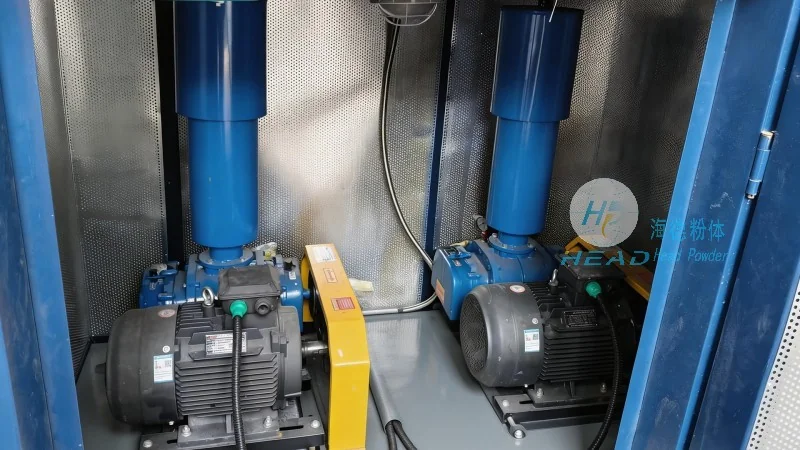
The feeder is a critical component that regulates the amount of glass slag entering the conveying system. It ensures a consistent flow rate, preventing overloading or underloading of the pipeline. For glass slag, which can vary in particle size, a screw feeder or a rotary valve feeder is commonly used. These devices can handle a wide range of particle sizes while maintaining a stable flow, reducing the risk of blockages and ensuring smooth operation.
Conveying Pipeline and Airflow Management
The conveying pipeline is typically made of durable materials such as stainless steel or high-density polyethylene to withstand the abrasive nature of glass slag. The design of the pipeline, including bends and elbows, is optimized to minimize pressure loss and prevent material deposition. Airflow management is crucial, as the velocity of the air must be sufficient to lift and transport the glass slag particles without causing excessive wear on the pipeline or equipment. The system often uses a combination of positive and negative pressure modes to achieve efficient transport.
Dust Collection and Environmental Control
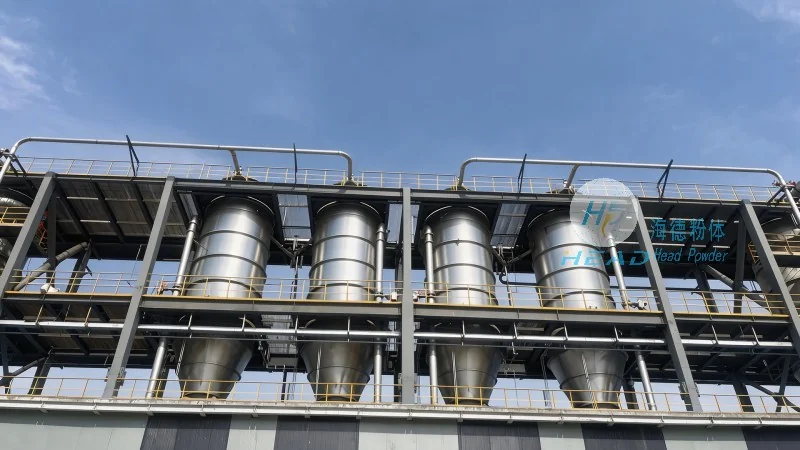
Due to the fine dust generated during the transport of glass slag, a dust collection system is essential to maintain air quality and comply with environmental regulations. The system typically includes a cyclone separator or a baghouse filter that captures the dust particles and returns them to the conveying pipeline or a storage container. This not only improves air quality but also reduces material loss, as the captured dust can be re-integrated into the glass manufacturing process.
Discharge and Material Handling
The discharge unit at the end of the conveying pipeline is designed to safely release the glass slag into a storage or processing facility. It may include a rotary valve or a star feeder to control the flow of material and prevent backflow. The design of the discharge unit is critical to ensure that the glass slag is deposited without causing blockages or spillage, maintaining the overall efficiency of the system.
Advantages of Air-Flow Transport for Glass Slag
Compared to traditional handling methods, air-flow transport offers several advantages for glass slag management. These include reduced labor costs, increased operational efficiency, and improved safety. The system is also highly flexible, allowing for easy integration with existing glass manufacturing facilities and the ability to transport materials over long distances without the need for intermediate storage or handling. Additionally, the enclosed pipeline system minimizes environmental impact by containing dust and preventing contamination of the surrounding area.
Application Examples and Case Studies
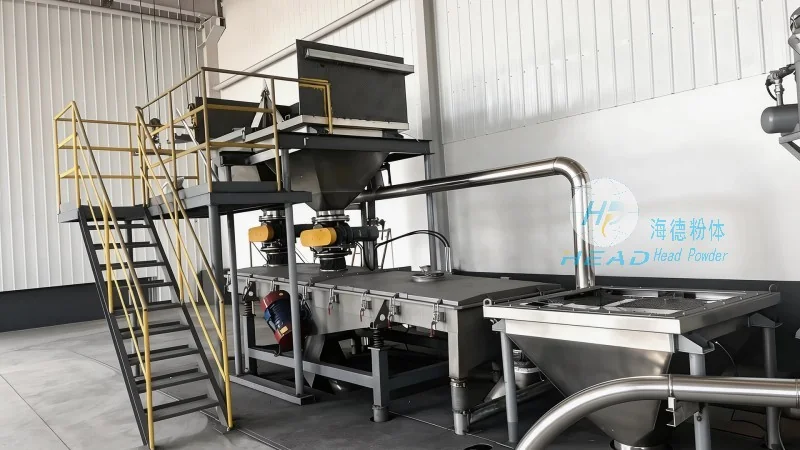
HeadPowder has successfully implemented air-flow transport systems for glass slag in various industrial settings. For example, a glass manufacturing plant in Shandong, China, installed a 500-meter conveying system to transport glass slag from the production line to a recycling facility. The system, designed by HeadPowder, reduced material handling time by 40% and increased overall plant efficiency. Another application involved the transport of glass slag from a waste processing plant to a cement production facility, where the slag was used as a raw material. The system was customized to handle the specific particle size and moisture content of the glass slag, ensuring optimal performance.
Conclusion and Future Developments
Air-flow transport for glass slag is a proven technology that offers significant benefits in waste management and recycling. With advancements in materials science and control systems, the efficiency and reliability of these systems continue to improve. HeadPowder remains committed to providing innovative solutions for glass slag handling, leveraging its expertise in engineering and material science to meet the evolving needs of the glass manufacturing industry. By adopting air-flow transport systems, glass manufacturers can enhance operational efficiency, reduce costs, and contribute to a more sustainable environment.