

Introduction to Aeration Transport of Oat Flour and Its Structural Principles
For industries dealing with oat flour, efficient and reliable material handling is crucial to maintaining production efficiency and product quality. Aeration transport, a key technology in pneumatic conveying systems, offers a solution that combines the advantages of pneumatic conveying with the specific requirements of handling fine powders like oat flour. This article provides an overview of aeration transport for oat flour, detailing its structural principles and practical applications.
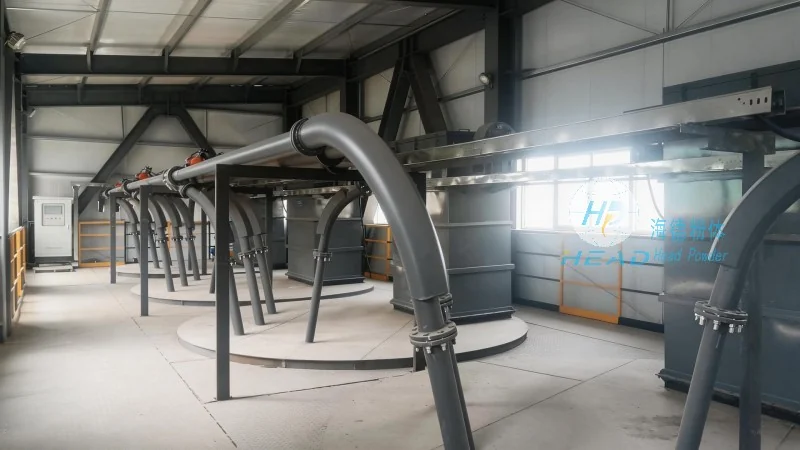
Understanding Aeration Transport Technology
Aeration transport, also known as pneumatic aeration conveying, is a method that uses compressed air to move bulk materials through a pipeline. Unlike traditional mechanical conveying systems, which rely on mechanical components like screws or belts, aeration transport utilizes the pressure differential created by the air flow to transport the material. This technology is particularly suitable for handling fine, dusty powders such as oat flour, which are prone to caking or agglomeration when handled by other methods.
Key Components of the Aeration Transport System
The aeration transport system for oat flour typically consists of several core components that work in tandem to ensure smooth and efficient material movement. These components include the material hopper, air injection system, conveying pipeline, and discharge unit. The material hopper serves as the storage and feeding point for the oat flour, ensuring a consistent supply of material to the system. The air injection system, often equipped with a blower or compressor, provides the necessary compressed air to create the pressure differential needed for conveying. The conveying pipeline, usually made of stainless steel or other corrosion-resistant materials, is designed to withstand the abrasive nature of oat flour and maintain hygiene standards. The discharge unit, which can be a rotary valve or a pressure relief valve, controls the release of the material at the destination point, preventing backflow and ensuring accurate dosing.
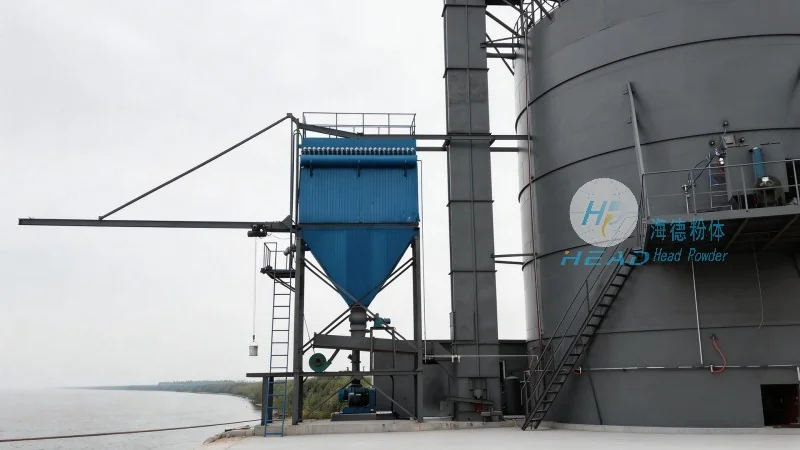
Structural Principles of Aeration Transport
The structural principles of aeration transport are based on the principles of fluid dynamics and particle movement. When compressed air is introduced into the conveying pipeline, it creates a low-pressure zone that draws the oat flour particles into the air stream. The air flow then carries the particles through the pipeline, maintaining them in suspension until they reach the discharge point. The key to effective aeration transport lies in achieving the right balance between air velocity and material flow rate. If the air velocity is too low, the particles may settle and cause blockages; if it is too high, the system may experience excessive energy consumption and wear on components. The design of the system, including the size of the pipeline, the length of the conveying distance, and the type of air injection, is critical to optimizing this balance and ensuring efficient transport.
Advantages of Using Aeration Transport for Oat Flour
Implementing aeration transport for oat flour offers several advantages over traditional conveying methods. First, it provides a dust-free and hygienic handling solution, which is essential for food processing applications where contamination control is paramount. The enclosed system prevents the release of fine particles into the environment, reducing the risk of inhalation by workers and maintaining compliance with environmental regulations. Second, aeration transport is highly flexible and can be easily integrated into existing production lines. The system can be configured to handle varying flow rates and conveying distances, making it suitable for both small-scale and large-scale operations. Third, the technology reduces the need for mechanical components, which can be prone to wear and maintenance issues. The absence of moving parts like screws or belts minimizes downtime and maintenance costs, leading to lower operational expenses over time. Additionally, aeration transport is capable of handling materials with high moisture content or those that are prone to caking, as the air flow helps to keep the particles in suspension and prevent agglomeration.
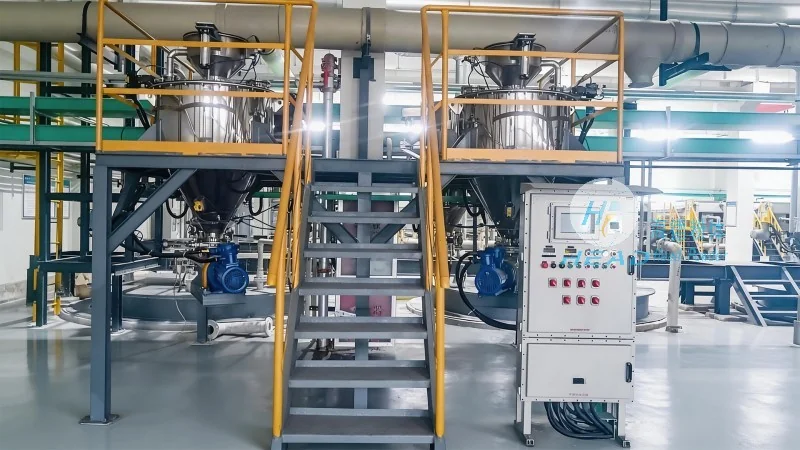
Applications in the Oat Flour Industry
Aeration transport systems are widely used in various stages of the oat flour production process. In the initial stages, such as raw material handling and storage, the system can efficiently transport oat grains from storage silos to processing equipment. During the milling process, the system can convey the ground oat flour from the mill to storage tanks or packaging lines. In the packaging stage, the aeration transport system can deliver the final product to packaging machines, ensuring a consistent and controlled flow of material. The versatility of the system makes it suitable for both batch and continuous production processes, allowing manufacturers to adapt to changing production demands and scale their operations as needed.
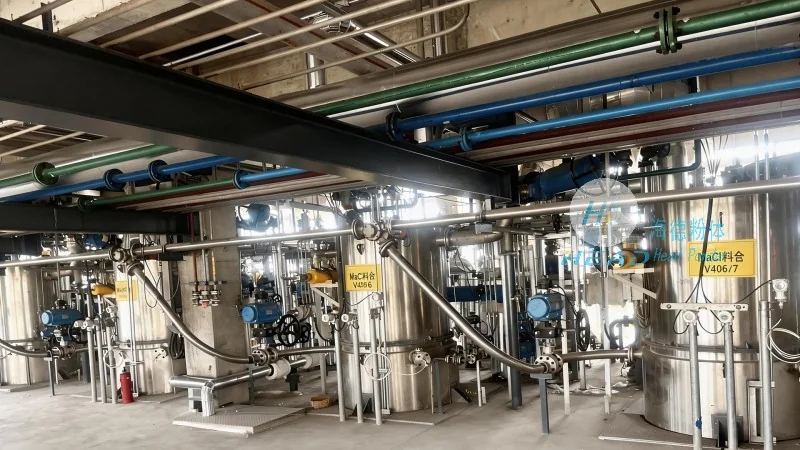
Case Study: Implementation by Shandong HeadPowder Engineering Co., Ltd.
Shandong HeadPowder Engineering Co., Ltd., a leading provider of material handling solutions, has successfully implemented aeration transport systems for oat flour in several clients' facilities. One notable case involved a large-scale oat flour processing plant that required a reliable system to handle 500 tons of oat flour per day. The company designed and installed a custom aeration transport system that included a stainless steel conveying pipeline, a high-efficiency blower, and an automated discharge unit. The system was configured to handle the specific characteristics of oat flour, including its fine particle size and potential for caking. The result was a significant improvement in production efficiency, with a reduction in downtime from 15% to 2% and a decrease in maintenance costs by 30%. The client also reported improved product quality, as the enclosed system prevented contamination and maintained consistent moisture levels in the oat flour.
Conclusion and Future Outlook
Aeration transport technology offers a robust and efficient solution for handling oat flour, combining the benefits of pneumatic conveying with the specific needs of food processing applications. By understanding the structural principles and key components of the system, manufacturers can optimize their material handling processes and improve overall operational performance. As the demand for oat flour and other fine powders continues to grow, the adoption of advanced aeration transport systems will become increasingly important for maintaining competitiveness and ensuring product quality. With companies like Shandong HeadPowder Engineering Co., Ltd. providing specialized solutions, the future of oat flour handling looks promising, with continued advancements in technology and system design.