

Introduction to the Structure and Principle of Powdered Baking Soda Pneumatic Conveying
Efficient material handling is a critical aspect of modern industrial operations, especially when dealing with bulk powders like powdered baking soda. Pneumatic conveying systems have emerged as a preferred method for transporting such materials due to their flexibility, efficiency, and ability to maintain product integrity. This article provides a detailed introduction to the structure and operational principles of a pneumatic conveying system designed for powdered baking soda, highlighting its key components and how they work together to ensure reliable and effective material transport. The system is manufactured by Shandong HeadPowder Engineering Co., Ltd., a leading provider of engineering solutions for powder handling in China.

Pneumatic Conveying System Overview
A pneumatic conveying system for powdered baking soda is a closed-loop system that uses air to move the material from a source to a destination. The system can be categorized into two main types: positive pressure and negative pressure systems. Positive pressure systems utilize a blower or compressor to generate air pressure that pushes the powder through the pipeline, while negative pressure systems create a vacuum that pulls the powder into the line. The choice between these systems depends on factors such as the distance to be covered, the material's properties, and the desired flow rate.
Key Components and Their Functions
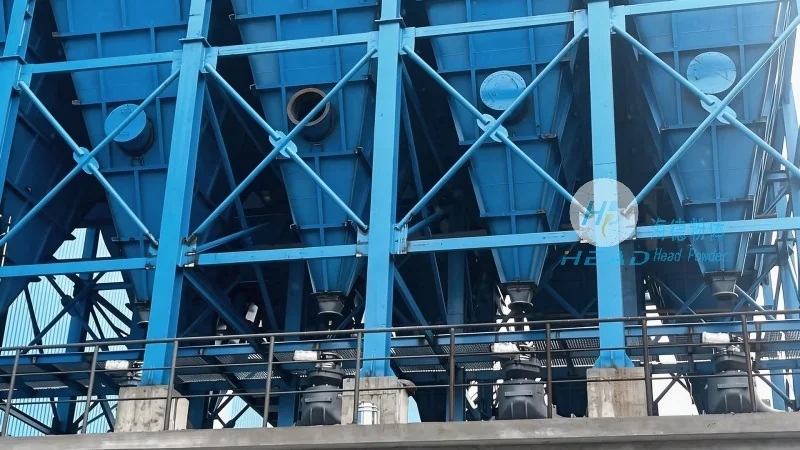
The pneumatic conveying system for powdered baking soda consists of several essential components, each playing a crucial role in the overall operation. The material feed hopper is the starting point of the system, where bulk powdered baking soda is stored. It is equipped with a rotary valve or screw feeder that regulates the flow of powder into the system, preventing overfilling and ensuring a consistent feed rate. The air supply unit, typically a high-efficiency centrifugal blower, provides the necessary air pressure or vacuum to move the powder through the conveying line. The conveying line itself is made of durable materials like stainless steel or food-grade plastic, chosen for their resistance to corrosion and ability to handle abrasive particles. At the discharge end, a cyclone separator or filter is used to separate the powder from the air. The air is either recirculated back into the system or released to the atmosphere, while the powder is collected in a container or transferred to the next stage of the process.
Operational Principles and How It Works
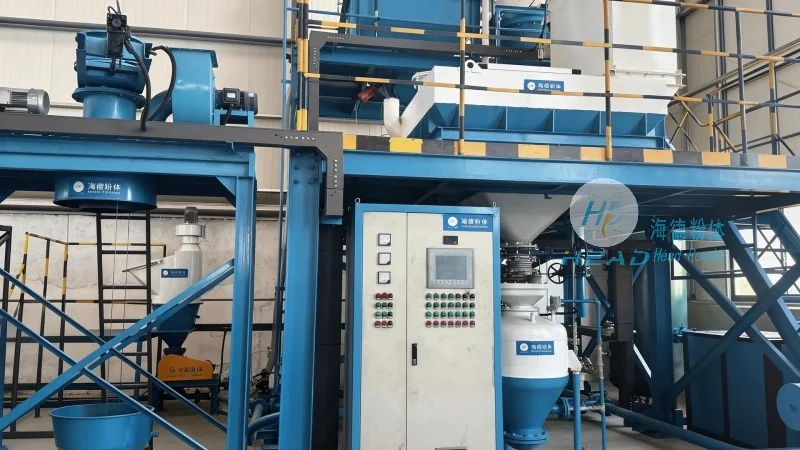
The operational principle of a pneumatic conveying system for powdered baking soda is based on the interaction between the powder particles and the air stream. In a positive pressure system, the blower creates a pressure differential that forces the air and powder mixture through the pipeline. The powder particles are suspended in the air stream, and the velocity of the air is sufficient to keep them in suspension, preventing them from settling or caking. In a negative pressure system, the vacuum created by the fan draws the powder into the line, where it is mixed with the air and transported to the discharge point. The system's design ensures that the powder remains in a suspended state throughout the conveying process, minimizing the risk of blockages and ensuring smooth operation.
Advantages and Benefits
Implementing a pneumatic conveying system for powdered baking soda offers numerous advantages over traditional handling methods. The system is capable of transporting the material over long distances with minimal loss, and it can handle varying flow rates without the need for frequent adjustments. The closed-loop design of the system helps maintain the purity of the powder, preventing contamination from external sources and ensuring that the product meets quality standards. Additionally, pneumatic conveying reduces labor costs by automating the material handling process and improves workplace safety by eliminating the need for manual handling of bulk powders. The system also allows for better control over the material's temperature and moisture content, which is crucial for maintaining the quality of the final product.

Application Scenarios and Industrial Use
Pneumatic conveying systems for powdered baking soda are widely used in various industrial sectors, including food processing, pharmaceuticals, and chemical manufacturing. In the food industry, the system is commonly used to transport baking soda from storage silos to production lines, ensuring a consistent supply of the ingredient for baking, leavening, and other food preparation processes. The system's ability to handle fine powders without caking or agglomeration makes it ideal for applications where product quality is paramount. In pharmaceutical manufacturing, the system is used to handle baking soda as an excipient or raw material, maintaining the purity and consistency of the final drug product. The versatility of the system also makes it suitable for chemical plants, where it can transport various powdered chemicals, including baking soda, with precision and efficiency.