

Operation Process and Working Principle of Powdered Liquor Yeast Pneumatic Conveying Equipment
HeadPowder, a leading manufacturer based in Shandong, China, specializes in the design and production of advanced pneumatic conveying systems tailored for the transportation of powdered materials like liquor yeast. The equipment is engineered to efficiently handle the unique challenges associated with moving such fine powders, ensuring minimal loss, consistent flow, and optimal operational reliability. This article delves into the operational process and underlying principles of these systems, providing a comprehensive understanding of their functionality and benefits.
Key Components and Their Roles
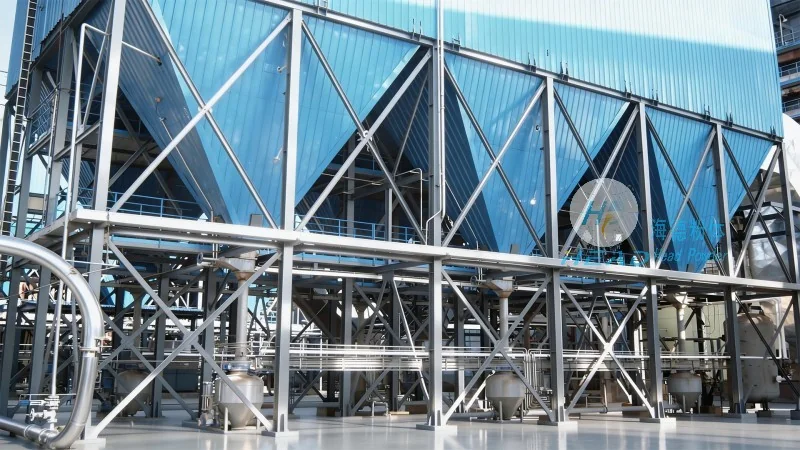
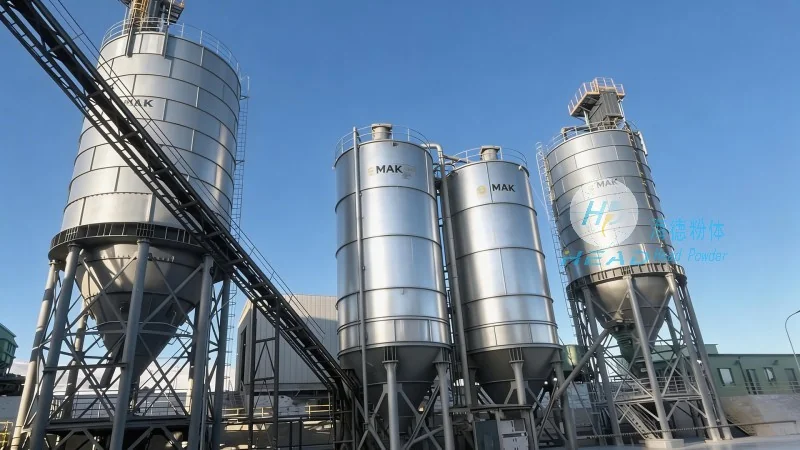
The pneumatic conveying system for powdered liquor yeast typically consists of several critical components that work in tandem to facilitate material transport. The main elements include a hopper for material storage, a conveyor line (often a pipeline), a blower or compressor to generate the air flow, a control system for regulating pressure and flow, and a discharge outlet for delivering the material to its destination. Each component plays a vital role in maintaining the system's efficiency and safety. The hopper ensures a consistent feed of the yeast powder, preventing blockages and ensuring a steady supply. The conveyor line, usually made of durable materials like stainless steel or PVC, provides the path for the material to travel under the influence of the air stream. The blower or compressor generates the necessary air pressure, which is crucial for moving the fine particles through the pipeline. The control system monitors and adjusts the air flow and pressure, optimizing the conveying process and preventing issues such as clogging or excessive pressure. The discharge outlet allows the yeast powder to be released at the desired location, completing the transport cycle.
Operation Process: Step-by-Step Explanation
The operation of the powdered liquor yeast pneumatic conveying equipment follows a systematic process that ensures smooth and efficient material handling. The process begins with the loading of the yeast powder into the hopper. As the material accumulates, it is fed into the conveyor line through a feeder mechanism, which controls the flow rate to match the system's capacity. Simultaneously, the blower or compressor starts operating, generating a high-pressure air stream that travels through the pipeline. The air flow creates a negative pressure in the pipeline, drawing the yeast powder particles into the air stream. The mixture of air and powder then moves through the conveyor line towards the discharge outlet. At the discharge point, the air flow is adjusted to separate the powder from the air, allowing the yeast to be deposited in the receiving container. The system's control panel continuously monitors parameters such as pressure, flow rate, and material level, ensuring that any deviations are corrected promptly. This closed-loop control system enhances the reliability of the operation and minimizes downtime.
Working Principle: The Physics Behind Pneumatic Conveying
The working principle of the pneumatic conveying system for powdered liquor yeast is based on the fundamental physics of fluid dynamics and particle motion. The system operates on the principle of creating a high-velocity air stream that entrains the fine powder particles, carrying them through the pipeline. This process is often referred to as "drag-type" or "pressure-type" conveying, depending on the system design. In the drag-type system, a low-pressure air stream is used to pull the material through the pipeline, while in the pressure-type system, a high-pressure air stream pushes the material forward. For liquor yeast, the pressure-type system is commonly preferred due to its ability to handle fine powders without causing excessive wear or degradation. The key to effective conveying lies in achieving the right air-to-particle ratio, which ensures that the particles are fully suspended in the air stream and transported without settling or clogging. The velocity of the air flow must be sufficient to overcome the gravitational forces acting on the particles and any frictional losses within the pipeline. Additionally, the system's design, including the pipeline diameter and length, is optimized to minimize pressure drop and energy consumption. The control system plays a critical role in maintaining the optimal air flow and pressure, ensuring that the conveying process is efficient and sustainable.
Benefits and Advantages of Using Pneumatic Conveying for Liquor Yeast
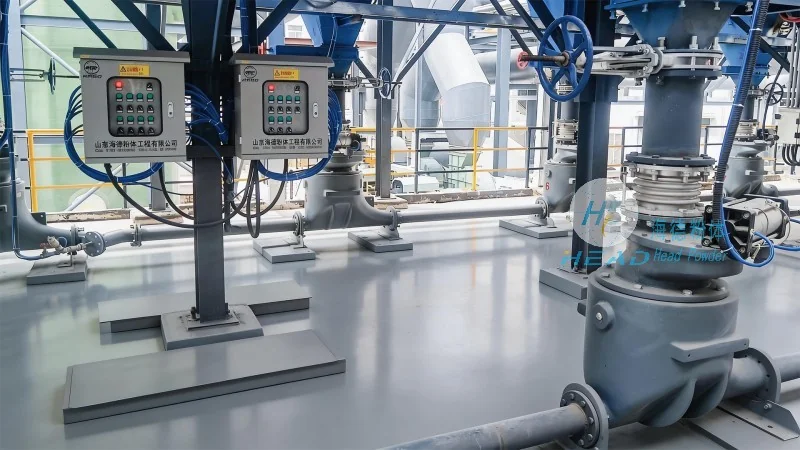
Implementing a pneumatic conveying system for powdered liquor yeast offers several significant benefits that enhance operational efficiency and product quality. Firstly, the system provides a closed-loop transport process, which minimizes material loss and contamination, ensuring that the yeast remains in pristine condition throughout the conveying process. This is particularly important for liquor yeast, as any contamination or degradation can affect the quality of the final product. Secondly, the system offers high flexibility in terms of material handling, allowing for the transport of the yeast from multiple sources to various destinations within the facility. This flexibility reduces the need for manual handling and improves overall workflow efficiency. Thirdly, the pneumatic conveying system is highly scalable, capable of handling varying volumes of yeast powder, from small batches to large-scale production. This scalability makes it suitable for both small-scale and large-scale operations. Additionally, the system is relatively low-maintenance compared to traditional mechanical conveying systems, as it has fewer moving parts and requires less frequent cleaning. The use of stainless steel or other corrosion-resistant materials in the construction of the pipeline and components further enhances the system's durability and longevity. Overall, the pneumatic conveying system provides a reliable, efficient, and cost-effective solution for the transportation of powdered liquor yeast, contributing to improved productivity and product quality in the manufacturing process.