

The Operation Process and Working Principle of Bauxite Powder Pneumatic Conveying
Bauxite powder pneumatic conveying is a critical technology in material handling, particularly for the efficient transport of bauxite powder from one location to another. This method leverages the principles of fluidization and air movement to move dry powders through a pipeline system. The process is widely used in industries such as aluminum production, where bauxite is a primary raw material. Understanding the operation process and working principle is essential for optimizing the performance and reliability of pneumatic conveying systems.
Key Components of Bauxite Powder Pneumatic Conveying Systems
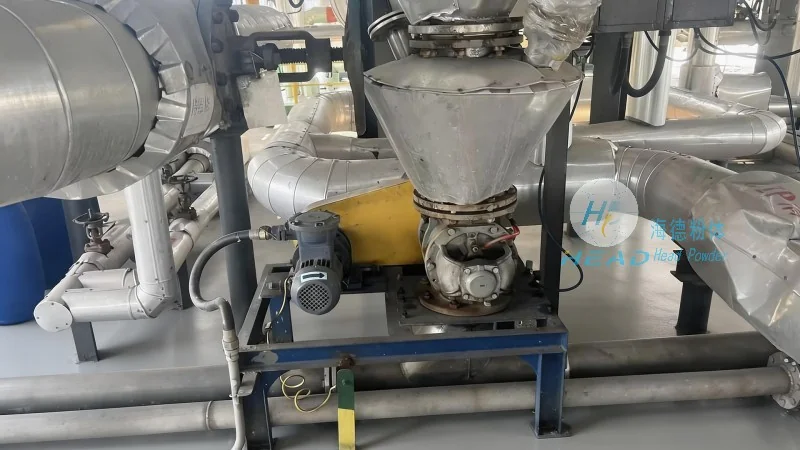
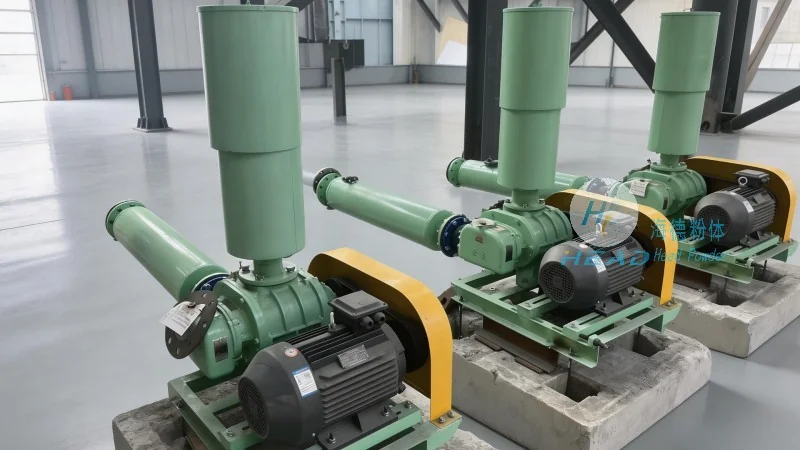
At the core of a bauxite powder pneumatic conveying system are several key components that work in tandem to ensure smooth material transport. These components include the material feed hopper, which holds the bauxite powder and regulates its flow into the system. The feeder, often a rotary valve or a screw feeder, controls the discharge rate of the powder, preventing overloading or underflow. The conveying pipeline, typically made of stainless steel or other corrosion-resistant materials, is designed to withstand the abrasive nature of bauxite powder and maintain airtight integrity. The air compressor or blower generates the necessary air pressure to move the powder through the pipeline. Additionally, the system may include a filter or cyclone separator to remove any fine particles from the air, ensuring compliance with environmental regulations and protecting downstream equipment.
Working Principle of Bauxite Powder Pneumatic Conveying
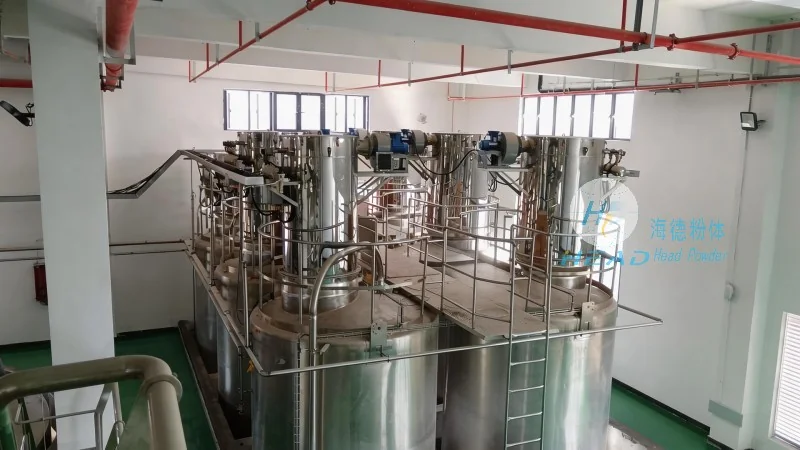
The working principle of bauxite powder pneumatic conveying is based on the concept of creating a fluidized bed of powder particles within the conveying pipeline. When air is introduced into the pipeline at a controlled velocity, the powder particles become suspended and move along with the air stream. This is achieved by maintaining a specific air velocity that is sufficient to overcome the gravitational force acting on the powder particles while keeping the air velocity below the point where the particles are entrained too aggressively, which could lead to system wear or pressure drop. The system operates in either positive pressure or negative pressure modes. In positive pressure systems, the air compressor pressurizes the entire pipeline, pushing the powder forward. In negative pressure systems, a vacuum is created at the discharge end, pulling the powder through the pipeline. The choice between these modes depends on factors such as the distance of transport, the quantity of material, and the need to minimize dust emissions.
Operation Process of Bauxite Powder Pneumatic Conveying
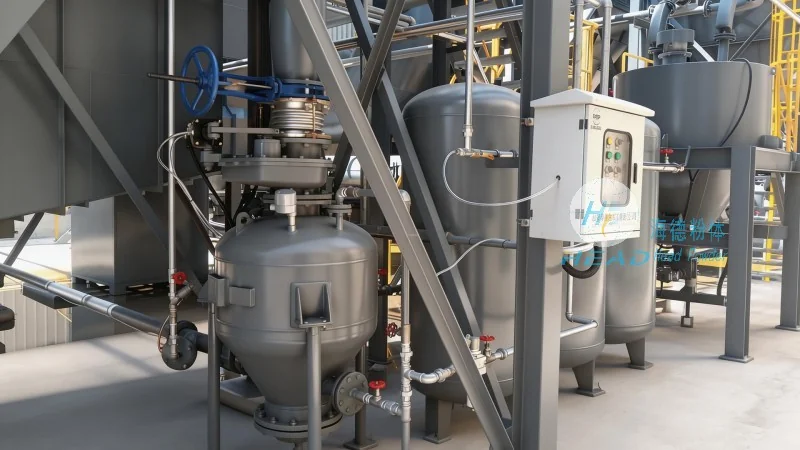
The operation process of a bauxite powder pneumatic conveying system involves several sequential steps to ensure efficient and safe material transport. First, the bauxite powder is stored in the feed hopper. The feeder then regulates the flow of powder into the conveying pipeline, ensuring a consistent feed rate. The air compressor or blower supplies the required air pressure, which is adjusted based on the system's design and the characteristics of the bauxite powder. As the powder is introduced into the pipeline, it is mixed with the air stream and conveyed to the discharge point. The discharge point may be a storage silo, a processing unit, or another location within the facility. The system continuously monitors parameters such as air pressure, flow rate, and temperature to maintain optimal performance. Regular maintenance, including cleaning the filter or cyclone separator and checking for leaks in the pipeline, is essential to prevent system downtime and ensure long-term reliability.
Benefits and Applications of Bauxite Powder Pneumatic Conveying
Bauxite powder pneumatic conveying offers several advantages over traditional material handling methods, such as belt conveyors or bucket elevators. One of the primary benefits is the ability to transport bauxite powder over long distances without the need for multiple transfer points. This reduces the risk of material spillage and contamination, which is particularly important for bauxite, a raw material used in the production of aluminum. The system also minimizes dust emissions, contributing to a cleaner working environment and compliance with environmental regulations. Additionally, pneumatic conveying systems are more flexible in terms of layout, allowing for changes in the plant's design without major modifications to the material handling infrastructure. The technology is widely applied in the aluminum industry, where bauxite is processed into alumina, and in other industries that require the transport of dry powders, such as chemical and pharmaceutical manufacturing.
Conclusion and Company Information
Bauxite powder pneumatic conveying is a sophisticated and efficient method for handling bauxite powder, playing a vital role in the aluminum production process and other industries that rely on dry powder transport. The operation process, which involves the coordinated action of key components and the controlled movement of air and powder, ensures reliable and safe material transport. By understanding the working principle and following proper operation procedures, industries can optimize their material handling systems, reduce costs, and improve overall productivity. Shandong HeadPowder Engineering Co., Ltd., a leading provider of material handling solutions, specializes in designing and manufacturing bauxite powder pneumatic conveying systems tailored to the specific needs of clients. With a focus on quality and innovation, the company delivers reliable and efficient solutions that enhance the performance of industrial processes. Located in Shandong, China, HeadPowder Engineering Co., Ltd. serves clients globally, providing expert consultation and support to ensure the successful implementation of pneumatic conveying systems.