

The Operation Process and Working Principle of Hydraulic Iron Sulfate Powder Pneumatic Conveying
Hydraulic iron sulfate powder pneumatic conveying represents a sophisticated method for the efficient and reliable transport of iron sulfate powders, a critical material in various industrial applications. This technology leverages pneumatic principles to move fine powders through a network of pipes using air or gas as the conveying medium. The process is designed to handle the unique characteristics of iron sulfate, such as its fine particle size and potential for agglomeration, ensuring minimal loss and contamination during transfer. As a key component in material handling systems, this method is widely adopted in industries like water treatment, chemical manufacturing, and agriculture, where consistent and controlled movement of iron sulfate is essential for operational efficiency.
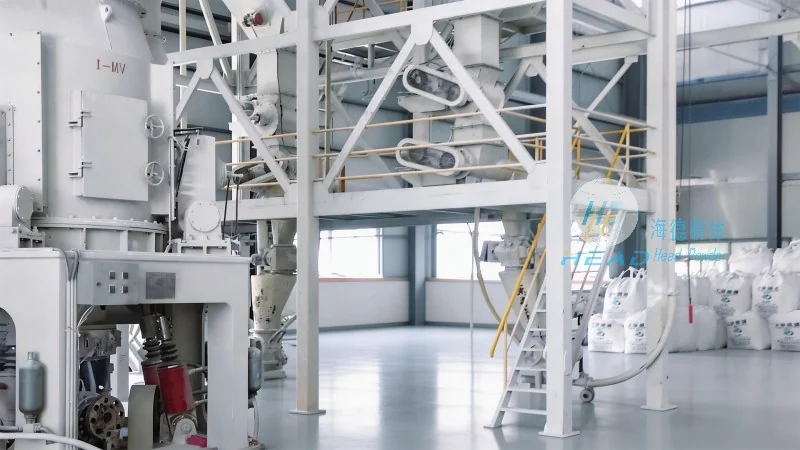
Working Principle of the Pneumatic Conveying System
The fundamental working principle of the hydraulic iron sulfate powder pneumatic conveying system revolves around creating a pressure differential between the conveying line and the ambient environment. A high-pressure fan or blower generates the necessary airflow, which draws the iron sulfate powder from a hopper or feeder into the pipeline. The powder is then entrained by the moving air stream and transported along the conveying line to the destination point. The system typically incorporates a cyclone separator or a bag filter at the receiving end to separate the powder from the air, preventing dust emissions and maintaining air quality. The working principle is engineered to maintain the integrity of the iron sulfate powder, preventing degradation or agglomeration during transport. The control unit monitors and adjusts the air pressure and flow rate in real-time, ensuring optimal conveying efficiency and preventing system overload.
Key Components and Their Functions
The hydraulic iron sulfate powder pneumatic conveying system comprises several critical components, each playing a vital role in the overall operation. The hopper or feeder is the primary component that holds the iron sulfate powder and regulates the discharge rate, ensuring a consistent flow into the conveying line. The conveying line, usually constructed from stainless steel or other corrosion-resistant materials, is designed to withstand the chemical properties of iron sulfate and prevent sticking or clogging. The fan or blower provides the necessary air pressure and flow rate to move the powder, with options ranging from centrifugal to positive displacement types depending on the system requirements. The cyclone separator or bag filter is essential for separating the powder from the air, with the filter media chosen based on the particle size and dust load. The control unit, often equipped with sensors and a programmable logic controller (PLC), monitors system parameters such as pressure, flow rate, and temperature, and adjusts them as needed to maintain optimal performance. Each component is carefully selected and integrated to handle the specific characteristics of iron sulfate powder, ensuring efficient and reliable operation.
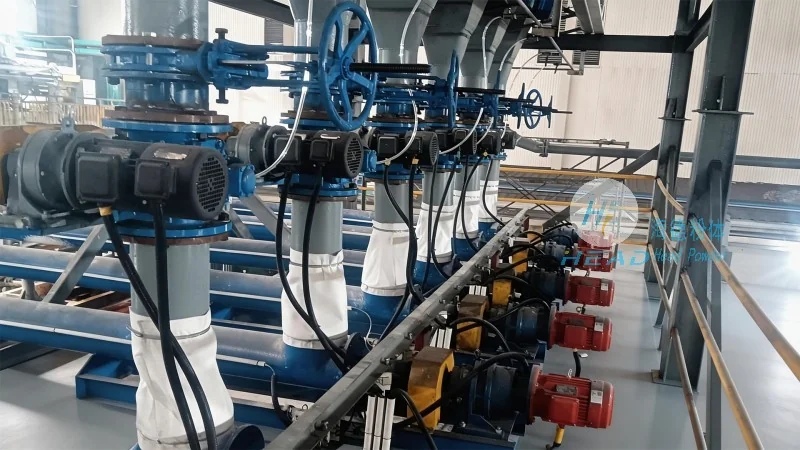
Operation Process of the Pneumatic Conveying System
The operation process of the hydraulic iron sulfate powder pneumatic conveying system begins with the loading of iron sulfate powder into the hopper. The feeder then controls the discharge rate, ensuring a steady flow of powder into the conveying line. The fan or blower is activated, creating the airflow that draws the powder into the pipeline. As the powder is carried along the line, it reaches the destination point, such as a storage silo or processing unit. The system may include a venturi or other devices to enhance the conveying efficiency, especially for fine powders with low bulk density. The entire process is automated, with the control unit adjusting the parameters in real-time to maintain optimal performance. The operation is continuous, allowing for high throughput and minimal downtime. The system also incorporates safety features, such as pressure relief valves and dust suppression mechanisms, to prevent accidents and ensure safe operation. Regular monitoring of the system ensures that any issues, such as clogging or pressure loss, are detected and addressed promptly, maintaining the efficiency of the conveying process.
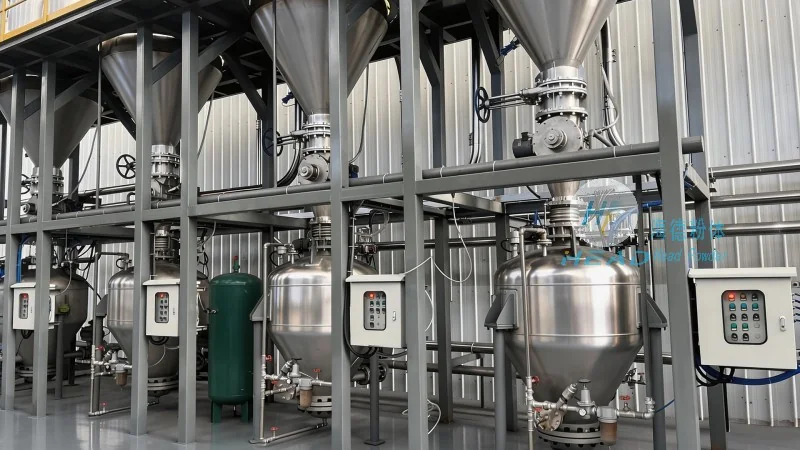
Advantages of Using Hydraulic Iron Sulfate Powder Pneumatic Conveying
There are several significant advantages to using the hydraulic iron sulfate powder pneumatic conveying system for transporting iron sulfate powders. One of the primary benefits is the high efficiency in material handling, as the system can transport large quantities of powder over long distances with minimal labor. The technology also ensures a clean and dust-free environment, reducing the risk of contamination and improving workplace safety. Additionally, the system is flexible and can be adapted to various industrial applications, from small-scale operations to large-scale production lines. The use of corrosion-resistant materials in the conveying line helps to prevent the degradation of iron sulfate powder, maintaining its quality throughout the transport process. The automated control system also reduces the need for manual intervention, leading to lower operational costs and increased productivity. Furthermore, the system can be integrated with other processes, such as mixing or dosing, to create a seamless material handling workflow. Overall, the hydraulic iron sulfate powder pneumatic conveying system offers a reliable and efficient solution for the transport of iron sulfate powders, enhancing operational efficiency and reducing costs.
Applications in Industrial Settings
The hydraulic iron sulfate powder pneumatic conveying system is widely used in various industrial settings where iron sulfate powders are processed or handled. In the water treatment industry, it is employed to convey iron sulfate for coagulation and flocculation processes, improving the efficiency of water purification by facilitating the removal of suspended solids. In chemical manufacturing, the system is used to transport iron sulfate from storage to processing units, ensuring a consistent supply of raw materials for production. The pharmaceutical industry also utilizes this technology for the transport of iron sulfate powders used in medication formulations, where precision and cleanliness are paramount. Additionally, in the agricultural sector, the system helps in the distribution of iron sulfate as a fertilizer or soil amendment, providing farmers with a reliable method to apply the material. The versatility of the system makes it suitable for a wide range of applications, providing a consistent and efficient solution for the transport of iron sulfate powders in different industrial environments. By meeting the specific requirements of each industry, the hydraulic iron sulfate powder pneumatic conveying system enhances the overall performance and productivity of industrial operations.