

Operation Process and Working Principle of Lithium Fluoride Powder Pneumatic Conveying
HeadPowder, a leading manufacturer based in Shandong, China, specializes in the design and implementation of advanced pneumatic conveying systems for lithium fluoride powder. This article provides a detailed overview of the operational process and underlying principles of such systems, highlighting the technical aspects that ensure efficient and reliable material transport.
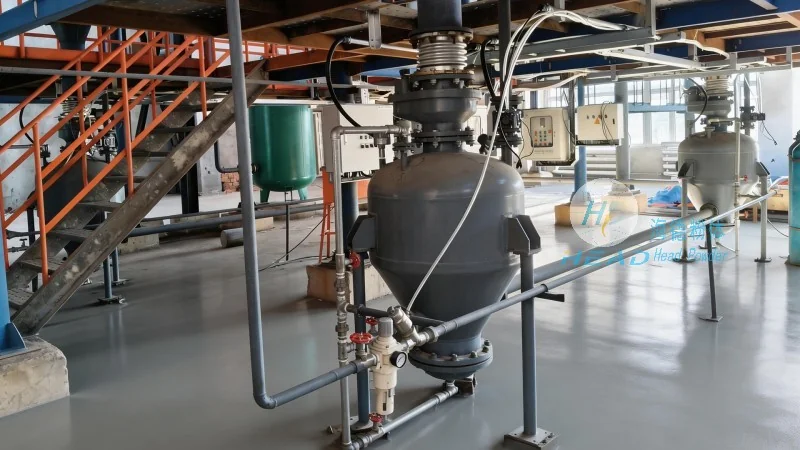
Understanding Pneumatic Conveying for Lithium Fluoride
Lithium fluoride (LiF) is a critical material in various industrial applications, including nuclear energy, chemical manufacturing, and pharmaceuticals. The safe and efficient handling of LiF powder is paramount due to its chemical properties and potential hazards. Pneumatic conveying offers a non-contact, low-maintenance method to transport this powder, minimizing contamination and operational risks.
The Working Principle of Pneumatic Conveying Systems
Pneumatic conveying systems operate by using a gas stream, typically air or a specialized gas mixture, to transport solid particles through a pipeline. In the case of lithium fluoride powder, the system is designed to handle fine, abrasive particles, requiring specialized equipment to prevent blockages and ensure consistent flow. The core components of a typical system include a material feed hopper, a conveyor pipeline, a gas source (blower or compressor), and a discharge unit.
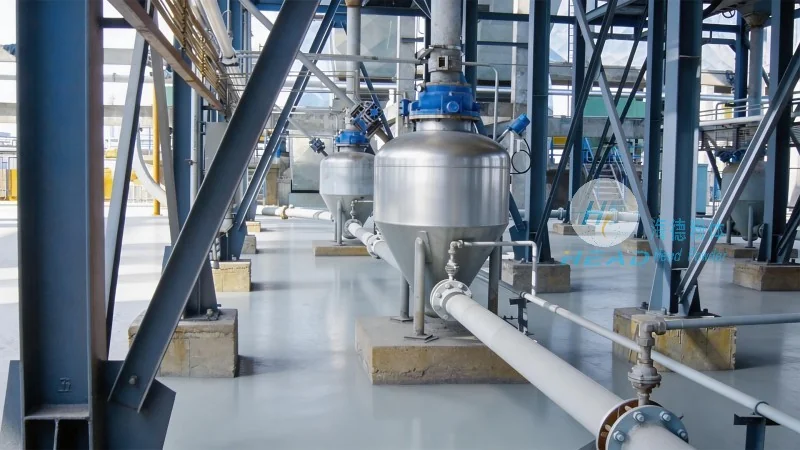
Key Operational Steps in Lithium Fluoride Pneumatic Conveying
The operation of a lithium fluoride pneumatic conveying system involves several sequential steps that ensure smooth material transport. First, the lithium fluoride powder is fed from the storage hopper into the conveyor pipeline. The system then generates a high-pressure gas stream, which is introduced into the pipeline, creating a flow that carries the powder particles. As the gas moves through the pipeline, it maintains a consistent velocity to prevent particle settling or blockage. The discharge unit at the end of the pipeline collects the conveyed powder, completing the transport process.
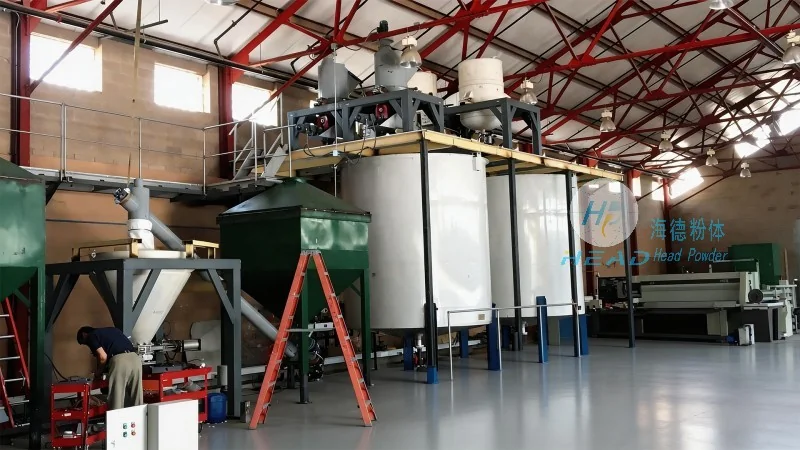
System Design Considerations for Lithium Fluoride Handling
Designing a pneumatic conveying system for lithium fluoride powder requires careful consideration of several factors to optimize performance and safety. Material compatibility is a primary concern, as the system components must withstand the chemical properties of LiF and prevent corrosion or degradation. The pipeline design, including diameter and material, is critical to maintain proper gas velocity and prevent particle accumulation. Additionally, the gas source and pressure control systems must be configured to handle the specific flow characteristics of lithium fluoride powder, ensuring efficient transport without excessive energy consumption.
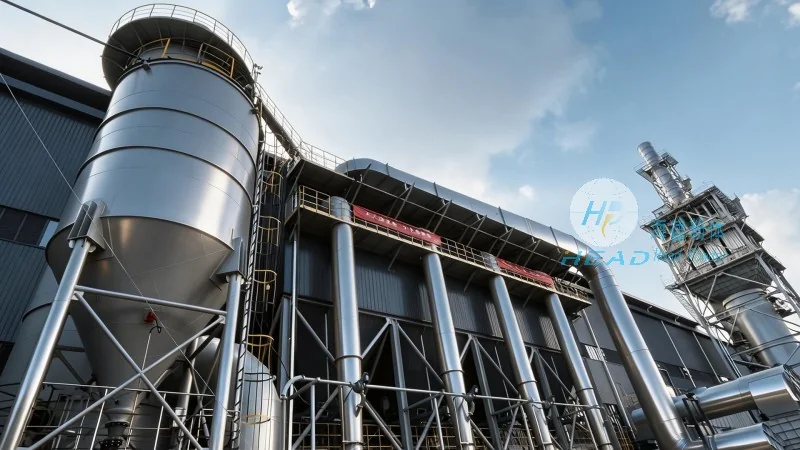
Advantages of Pneumatic Conveying for Lithium Fluoride
Compared to traditional mechanical conveying methods, pneumatic conveying offers several advantages for lithium fluoride powder transport. These include reduced risk of contamination, as the material is not in direct contact with equipment surfaces. The system also minimizes dust exposure and improves workplace safety. Furthermore, pneumatic conveying can handle varying particle sizes and flow rates, providing flexibility in industrial applications. The low maintenance requirements and ability to transport materials over long distances make it a cost-effective solution for lithium fluoride handling.
Conclusion and Company Overview
HeadPowder Engineering Co., Ltd., based in Shandong, China, is a trusted provider of pneumatic conveying solutions tailored to the specific needs of lithium fluoride powder handling. With expertise in system design, installation, and maintenance, the company ensures that its clients receive reliable and efficient material transport systems. By adhering to industry standards and utilizing advanced technology, HeadPowder delivers solutions that enhance operational efficiency and safety in the handling of lithium fluoride powder.