

Operation Process and Working Principle of Coal Fly Ash Powder Pneumatic Conveying
Shandong HeadPowder Engineering Co., Ltd., also known as headpowder, specializes in the design, manufacturing, and implementation of advanced pneumatic conveying systems tailored for handling coal fly ash and other fine powders. Our expertise lies in optimizing material transport efficiency while ensuring operational reliability and safety in industrial applications.
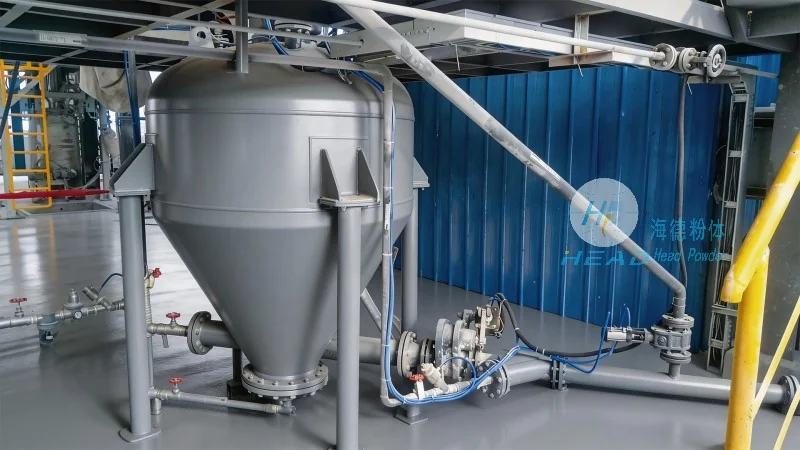
Understanding Pneumatic Conveying for Coal Fly Ash
Pneumatic conveying is a critical technology for transporting bulk powders like coal fly ash over long distances or within complex industrial setups. This method uses a pressurized or vacuum system to move particles through a pipeline, eliminating the need for mechanical components such as belts or buckets. The process is particularly advantageous for handling abrasive or potentially hazardous materials, as it minimizes direct contact with equipment and reduces the risk of contamination.
The Core Components of a Pneumatic Conveying System
At the heart of a coal fly ash pneumatic conveying system are several key components that work in tandem to ensure smooth operation. These include the material feed hopper, which stores and meters the fly ash; the air supply unit, which generates the necessary pressure or vacuum; the conveying pipeline, which transports the material; and the discharge unit, which delivers the fly ash to its final destination. Each component is engineered to handle the specific characteristics of coal fly ash, such as its fine particle size and potential moisture content.
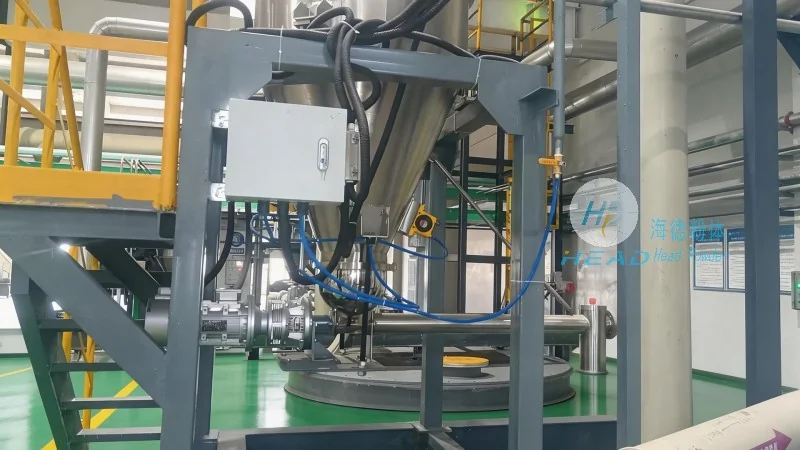
Operation Process: From Hopper to Discharge
The operation of a coal fly ash pneumatic conveying system follows a systematic sequence. Initially, the fly ash is fed from the storage hopper into the conveying line. Simultaneously, the air supply unit generates a flow of air that either pushes or pulls the material through the pipeline, depending on the system design (pressure or vacuum type). As the material travels, it is suspended and carried by the air stream, maintaining a consistent flow rate. The conveying process continues until the material reaches the discharge point, where it is collected in a receiving container or directly into a processing unit. This entire sequence is controlled by automated systems that monitor pressure, flow rate, and material level, ensuring optimal performance and preventing system failures.
Working Principle: How Pressure and Vacuum Drive the Process
The working principle of a pneumatic conveying system for coal fly ash revolves around the interaction between the material particles and the air stream. In a pressure system, compressed air is introduced into the conveying line at the feed end, creating a high-pressure environment that propels the fly ash forward. The air and material mixture moves through the pipeline, with the air providing the necessary momentum to overcome friction and maintain flow. In a vacuum system, the air supply unit creates a low-pressure zone at the discharge end, drawing the fly ash from the hopper through the pipeline. The vacuum effect pulls the material along, ensuring consistent transport even over longer distances. Both systems rely on the principle of fluidization, where the air stream suspends the fine particles, preventing them from settling or clogging the pipeline. This fluidization is crucial for maintaining a stable and efficient conveying process.
Advantages of Pneumatic Conveying for Coal Fly Ash Handling
Implementing pneumatic conveying for coal fly ash offers several significant advantages over traditional mechanical methods. Firstly, it eliminates the need for moving parts, reducing maintenance requirements and extending equipment lifespan. Secondly, the system is highly flexible, allowing for changes in material flow rates or pipeline configurations without major modifications. Thirdly, it provides excellent control over material handling, enabling precise dosing and preventing overloading or underloading. Additionally, pneumatic conveying minimizes dust emissions and contamination risks, as the material is contained within the pipeline, reducing environmental impact and improving workplace safety. These benefits make it an ideal solution for industrial applications where efficiency, reliability, and safety are paramount.
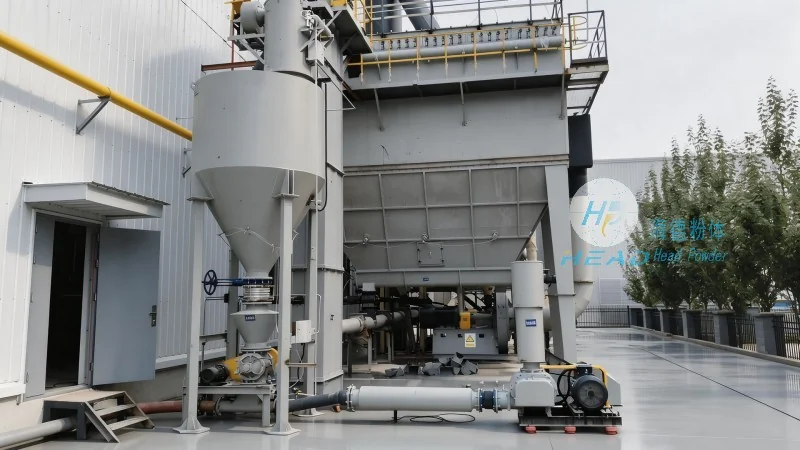
Customization and Application in Industrial Settings
Shandong HeadPowder Engineering Co., Ltd. offers customized pneumatic conveying solutions tailored to the specific needs of industrial clients. Our systems are designed to accommodate varying fly ash characteristics, such as different particle sizes, moisture levels, or abrasive properties. We work closely with clients to assess their operational requirements, including material flow rates, pipeline length, and discharge locations, to develop a system that meets their exact specifications. Whether for transporting fly ash from a power plant to a storage facility or integrating it into a cement production line, our solutions are engineered to deliver consistent performance and long-term reliability. The flexibility of our designs allows for integration with existing infrastructure, minimizing disruption to ongoing operations.
Ensuring System Reliability and Efficiency
Reliability and efficiency are top priorities in the design and operation of our pneumatic conveying systems. We employ advanced control technologies, including sensors and automation systems, to monitor key parameters such as pressure, flow rate, and material level in real-time. This enables proactive maintenance and quick response to any deviations from optimal performance. Additionally, our systems are built with high-quality materials, such as corrosion-resistant stainless steel, to withstand the harsh conditions of fly ash handling. Regular maintenance and performance testing are conducted to ensure the system operates at peak efficiency, minimizing downtime and maximizing productivity. By prioritizing reliability and efficiency, we help our clients achieve consistent results and reduce operational costs over the long term.