

Operation Process and Working Principle of Iron Turnings Powder Pneumatic Conveying
Shandong HeadPowder Engineering Co., Ltd., commonly known as headpowder, is a professional manufacturer specializing in pneumatic conveying systems for various powder materials. With its headquarters located in Shandong, China, the company has been committed to providing efficient and reliable solutions for material handling in industrial applications. This article focuses on the operation process and working principle of pneumatic conveying systems specifically designed for iron turnings powder, offering insights into how these systems function and the key components involved.
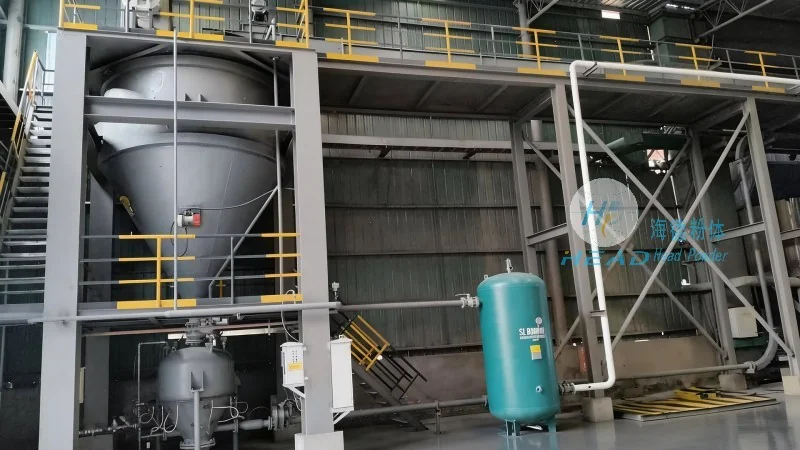
Pneumatic Conveying Systems: An Overview
Pneumatic conveying, also known as pneumatic transport, is a method of transporting bulk materials through a pipeline using compressed air or other gas. It is widely used in industries such as mining, food processing, and metalworking due to its ability to handle a variety of materials, including fine powders like iron turnings. The core of a pneumatic conveying system consists of a blower or compressor, a pipeline network, and a series of components that control the flow and pressure of the conveying medium. These systems can be categorized into different types, including dilute-phase and dense-phase conveying, each with its own advantages and applications.
The Operation Process of Iron Turnings Powder Pneumatic Conveying
The operation process of an iron turnings powder pneumatic conveying system typically involves several key steps. First, the iron turnings powder is fed into the system through a hopper or feeder, which ensures a consistent and controlled flow of material. The feeder is designed to prevent material bridging and ensure smooth feeding into the pipeline. Next, the compressed air or gas is introduced into the system, creating a flow that carries the iron turnings particles through the pipeline. The pressure and flow rate of the conveying medium are carefully controlled to maintain the desired velocity and prevent material deposition or blockages. As the material travels through the pipeline, it may encounter various components such as bends, filters, and separators, which help to maintain the integrity of the material and ensure efficient transport. Finally, the iron turnings powder is discharged at the receiving end of the system, where it is collected in a storage bin or processing equipment. The entire process is automated and monitored to ensure optimal performance and minimal downtime.
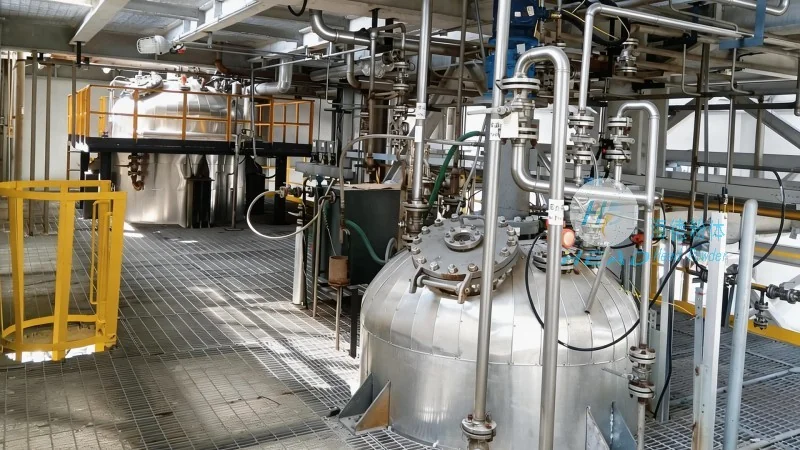
Working Principle of Iron Turnings Powder Pneumatic Conveying
The working principle of an iron turnings powder pneumatic conveying system is based on the principles of fluid dynamics and particle motion. When compressed air is introduced into the pipeline, it creates a low-pressure zone that draws the iron turnings particles into the flow. The particles are then carried along by the air stream, with their motion influenced by factors such as particle size, density, and the velocity of the conveying medium. In dilute-phase conveying, the particles are suspended in the air stream and travel at a relatively high velocity, while in dense-phase conveying, the particles are more closely packed and travel at a lower velocity. The choice of conveying type depends on the characteristics of the iron turnings powder and the specific application requirements. The system also incorporates control mechanisms, such as pressure sensors and flow meters, to monitor and adjust the conveying parameters in real-time, ensuring that the system operates within safe and efficient limits.
Key Components and Their Functions
Several key components are essential for the proper operation of an iron turnings powder pneumatic conveying system. The blower or compressor is responsible for generating the necessary pressure and flow of the conveying medium. The pipeline network, typically made of stainless steel or other corrosion-resistant materials, transports the material from the feeding point to the discharge point. The feeder, as mentioned earlier, ensures a consistent feed rate and prevents material bridging. The bends and elbows in the pipeline are designed to minimize pressure loss and maintain the flow of the material. Filters and separators are used to remove any dust or debris from the iron turnings powder, ensuring that the material is clean and free from contaminants. The discharge equipment, such as a rotary valve or a hopper, controls the release of the material from the system. Each component plays a critical role in the overall performance of the system, and their proper selection and maintenance are crucial for efficient operation.
Advantages and Applications of Iron Turnings Powder Pneumatic Conveying
Iron turnings powder pneumatic conveying systems offer several advantages over traditional material handling methods, such as belt conveyors or bucket elevators. These systems are more flexible and can be easily reconfigured to accommodate changes in production processes or material flow. They also provide a cleaner and more hygienic environment, as the material is transported in a closed system, preventing dust and contamination. Additionally, pneumatic conveying systems can handle materials with a wide range of particle sizes and densities, making them suitable for various industrial applications. The applications of iron turnings powder pneumatic conveying include the transport of iron turnings from storage bins to processing equipment, such as grinding or magnetic separation units. It is also used in the recycling industry to transport iron turnings from collection points to recycling facilities. The efficiency and reliability of these systems make them an ideal choice for industries that require consistent and high-quality material handling.
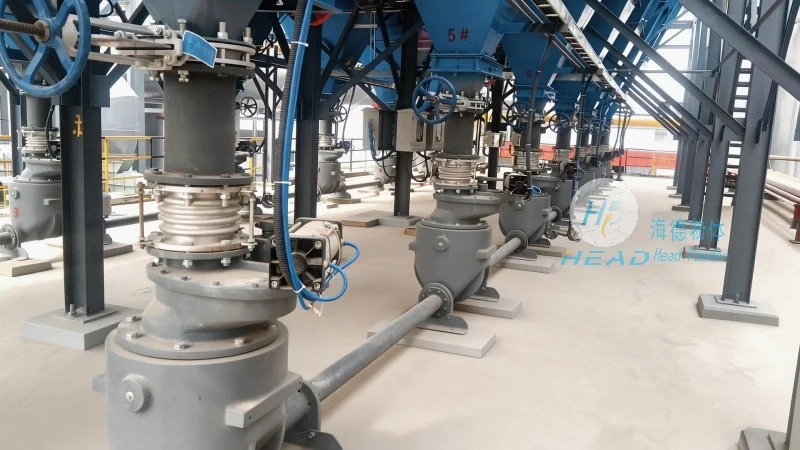
Maintenance and Troubleshooting
To ensure the long-term performance and reliability of an iron turnings powder pneumatic conveying system, regular maintenance is essential. This includes checking the condition of the blower or compressor, inspecting the pipeline for leaks or blockages, and cleaning the filters and separators. Regular maintenance can help to prevent system failures and reduce downtime. In case of system issues, such as reduced conveying capacity or increased pressure loss, troubleshooting steps should be taken to identify and resolve the problem. Common issues may include clogged filters, worn-out seals, or improper feeder settings. By addressing these issues promptly, the system can be restored to its optimal performance, ensuring that the iron turnings powder is transported efficiently and reliably.
Conclusion
In conclusion, the operation process and working principle of iron turnings powder pneumatic conveying systems are complex but well-understood processes. These systems offer efficient and reliable material handling solutions for industries that require the transport of fine powders like iron turnings. By understanding the key components and the principles of operation, users can select and maintain the appropriate system to meet their specific needs. Shandong HeadPowder Engineering Co., Ltd. continues to innovate and improve its pneumatic conveying systems, providing customers with high-quality solutions that enhance productivity and reduce operational costs.