

Operation Process and Working Principle of Gray Calcium Powder Pneumatic Conveying
Gray calcium powder is a common industrial material widely used in various manufacturing processes. Pneumatic conveying is an efficient method for transporting such powders over long distances or in complex systems. Understanding the operation process and working principle of gray calcium powder pneumatic conveying is crucial for optimizing material handling efficiency and ensuring safe operation in industrial settings. This article provides a detailed overview of the system, presented by Shandong HeadPowder Engineering Co., Ltd., a leading provider of industrial material handling solutions.
Introduction to Gray Calcium Powder Pneumatic Conveying
Gray calcium powder, often derived from limestone or other calcium-based minerals, is a fine particulate material with specific properties that make it suitable for pneumatic conveying. This method involves transporting the powder using a stream of air or gas, which creates a flow that moves the material through pipes or ducts. The process is widely adopted in industries such as construction, pharmaceuticals, and food processing due to its ability to handle delicate materials without degradation. The system is designed to maintain the integrity of the powder, ensuring that it remains free-flowing and uncontaminated throughout the conveying process.
Key Components of the Pneumatic Conveying System
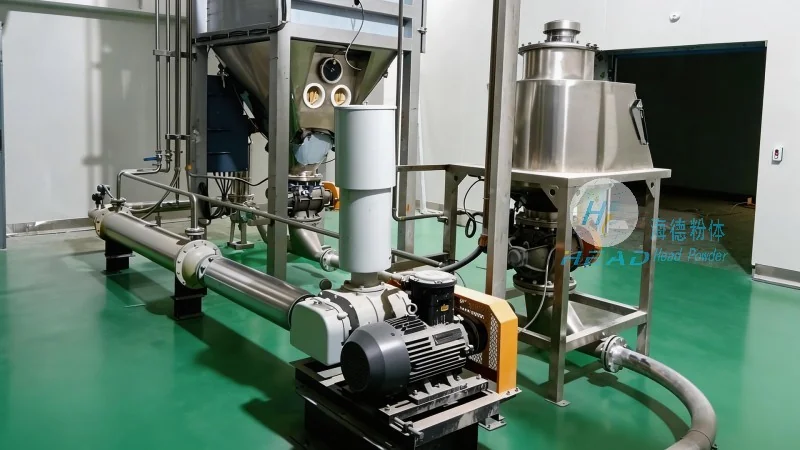
The pneumatic conveying system for gray calcium powder typically consists of several critical components that work in tandem to ensure efficient material transport. These components include the hopper or feeder, which stores and dispenses the powder; the air compressor or blower, which generates the necessary air pressure; the conveying pipes, which form the path for the powder and air mixture; and the control valves and regulators, which manage the flow and pressure. Each component plays a vital role in maintaining the stability and efficiency of the conveying process. The hopper is equipped with a discharge mechanism, such as a rotary valve or a venturi device, that controls the flow of powder into the conveying pipe. The air compressor supplies compressed air to the system, which is introduced into the pipe at the discharge end of the hopper. The conveying pipes are usually made of stainless steel or other corrosion-resistant materials to withstand the abrasive nature of the gray calcium powder.
Working Principle of Pneumatic Conveying
The working principle of gray calcium powder pneumatic conveying relies on the creation of a high-velocity air stream that entrains the powder particles. When the air is forced through the conveying pipe at a sufficient velocity, it creates a negative pressure or suction effect that pulls the powder particles into the air stream. This entrainment process allows the powder to be transported through the system without the need for mechanical conveyors, which can cause particle degradation or contamination. The air velocity must be carefully controlled to ensure that the powder particles are fully suspended and transported without clogging or deposition in the pipes. The system operates on the principle of fluidization, where the air stream lifts and transports the powder particles, maintaining a uniform mixture throughout the conveying process.
Operation Process of Gray Calcium Powder Pneumatic Conveying
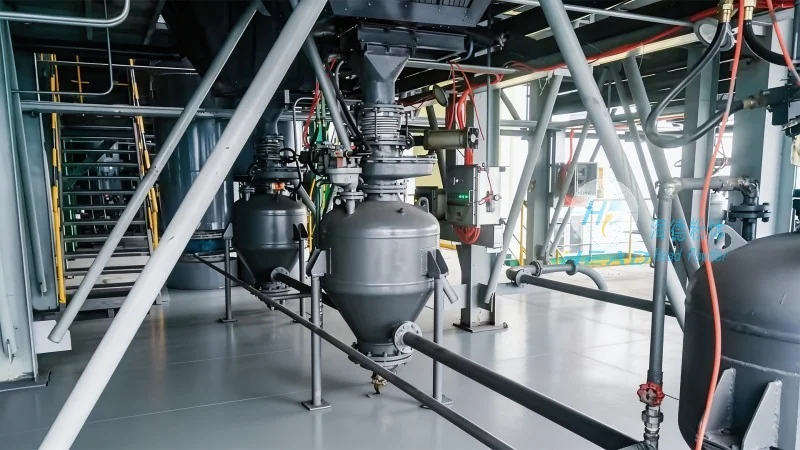
The operation process of the system begins with the loading of gray calcium powder into the hopper. The powder is then discharged into the conveying pipe through a feeder, which may be a rotary valve or a venturi device. The air compressor supplies compressed air to the system, which is introduced into the pipe at the discharge end of the hopper. As the air flows through the pipe, it entrains the powder particles and transports them to the destination point, such as a storage silo or processing unit. The system is equipped with pressure sensors and flow meters to monitor the performance and adjust the air pressure or flow rate as needed. The control system ensures that the conveying process operates smoothly and efficiently, minimizing downtime and maximizing material throughput. The process is typically continuous, with the powder being fed at a steady rate and the air flow adjusted to maintain a consistent conveying velocity.
Advantages of Pneumatic Conveying for Gray Calcium Powder
Pneumatic conveying offers several advantages over traditional mechanical conveying methods for gray calcium powder. One of the primary benefits is the ability to handle fine and delicate powders without causing particle breakage or agglomeration. The air stream provides a gentle transport mechanism that preserves the quality of the material, which is essential for applications where particle size and uniformity are critical. Additionally, pneumatic conveying systems are more flexible and can be easily adapted to complex layouts, allowing for the integration of multiple processing units or storage facilities. The system also reduces the risk of contamination, as the material is enclosed within the pipes and air stream, preventing exposure to external elements or human contact. Another advantage is the ability to transport materials over long distances without the need for intermediate transfer points, which can simplify the overall material handling process and reduce operational costs.
Considerations for System Design and Maintenance
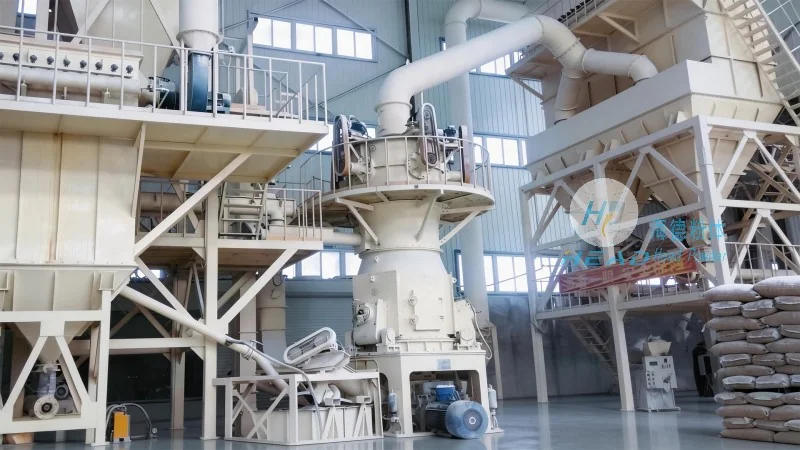
When designing a pneumatic conveying system for gray calcium powder, several factors must be considered to ensure optimal performance and longevity. The system design must account for the particle size, density, and flow characteristics of the powder, as these properties affect the required air velocity and pressure. The material of the conveying pipes and components must be selected to resist corrosion and wear, as gray calcium powder can be abrasive and may contain moisture that leads to rust or scaling. Regular maintenance is essential to prevent clogging and ensure consistent performance. This includes cleaning the pipes and components, replacing worn parts, and monitoring the air pressure and flow rates. Proper maintenance can extend the lifespan of the system and reduce the risk of operational failures. The system should also be equipped with safety features, such as pressure relief valves and emergency shut-off mechanisms, to prevent accidents and ensure operator safety.
Applications of Gray Calcium Powder Pneumatic Conveying
The versatility of gray calcium powder pneumatic conveying makes it suitable for a wide range of applications. In the construction industry, it is used to transport calcium carbonate for concrete production, where the fine powder is added to the mix to improve strength and durability. In the pharmaceutical industry, the method is employed to transport raw materials for drug manufacturing, ensuring that the powders are handled hygienically and without contamination. The food industry also utilizes pneumatic conveying for transporting calcium-based supplements or additives, where the system must meet strict sanitary standards. Each application requires specific adjustments to the system, such as the use of stainless steel components or additional filtration, to meet the unique requirements of the process. The system can also be integrated with other processing equipment, such as mixers or classifiers, to form a complete production line for gray calcium powder.
Conclusion
Gray calcium powder pneumatic conveying is a highly effective and efficient method for transporting fine industrial powders. The operation process, which involves the coordinated action of various components and the controlled use of air pressure, ensures that the material is transported safely and without degradation. The advantages of this system, including its ability to handle delicate materials and its flexibility in system design, make it a preferred choice in many industries. Proper system design, regular maintenance, and adherence to operational guidelines are essential to maximize the performance and longevity of the system. As industrial processes continue to evolve, the importance of efficient material handling methods like pneumatic conveying will only increase, making it a critical technology for the future of industrial manufacturing. Shandong HeadPowder Engineering Co., Ltd. specializes in providing customized pneumatic conveying solutions for gray calcium powder, ensuring that clients achieve optimal material handling efficiency and safety in their operations.