

Operation Process and Working Principle of Pyrolysis Char Material Conveying System
The pyrolysis char material conveying system is a critical component in industrial pyrolysis processes, designed to efficiently transport char, a byproduct of pyrolysis, from the pyrolysis reactor to subsequent processing or storage units. This system ensures smooth material flow, enhances operational efficiency, and maintains system integrity. The following sections detail the operational process and working principles of such a system, highlighting key aspects of its design and functionality.
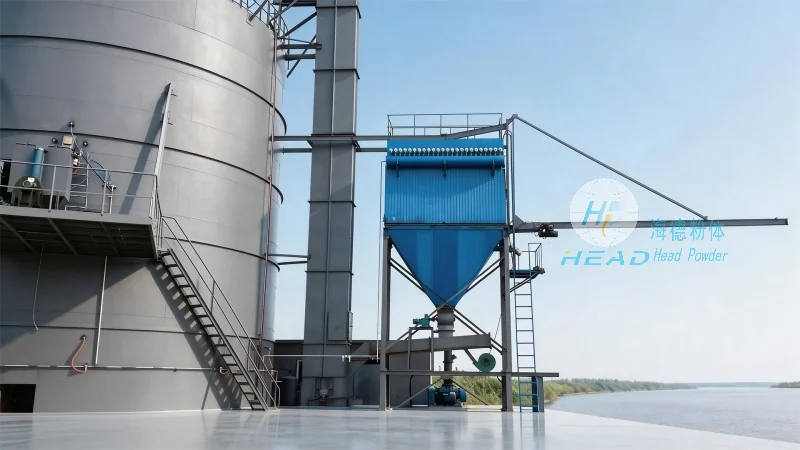
System Overview and Core Components
At the heart of the pyrolysis char material conveying system lies a series of interconnected components engineered to handle the unique properties of pyrolysis char. These components typically include a discharge mechanism from the pyrolysis reactor, a conveying device (such as a screw conveyor, pneumatic conveyor, or belt conveyor), and a control system for regulating flow rates and operational parameters. The system is tailored to accommodate the characteristics of char, such as its granular or powdery nature, and the potential presence of moisture or volatile components. The company, Shandong HeadPowder Engineering Co., Ltd., specializes in designing and manufacturing such systems, with a focus on durability, efficiency, and compliance with industrial standards.
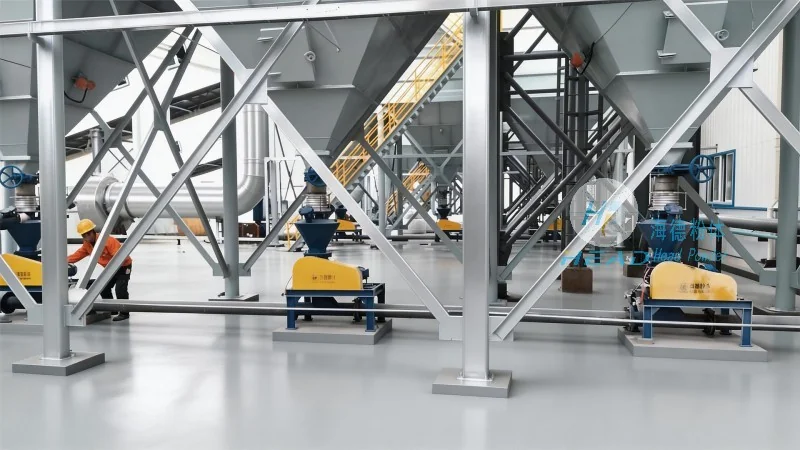
Operation Process: Step-by-Step Flow
The operation of the pyrolysis char material conveying system follows a systematic sequence to ensure reliable material transport. The process begins with the pyrolysis reactor, where raw materials undergo thermal decomposition to produce char, oil, and gas. Once the pyrolysis cycle is complete, the reactor's discharge valve opens, allowing char to be released into the conveying system. The discharge mechanism, often a rotary valve or gate valve, controls the flow of char from the reactor to the conveyor. The conveying device then moves the char through the system, either by mechanical means (e.g., screw rotation) or by pneumatic pressure (e.g., air or gas). The control system monitors parameters like flow rate, pressure, and temperature, adjusting the operation as needed to maintain optimal performance. The char is transported to a collection hopper or storage silo, where it is prepared for further processing or disposal. This step-by-step process ensures consistent and efficient material handling, minimizing downtime and maximizing productivity.
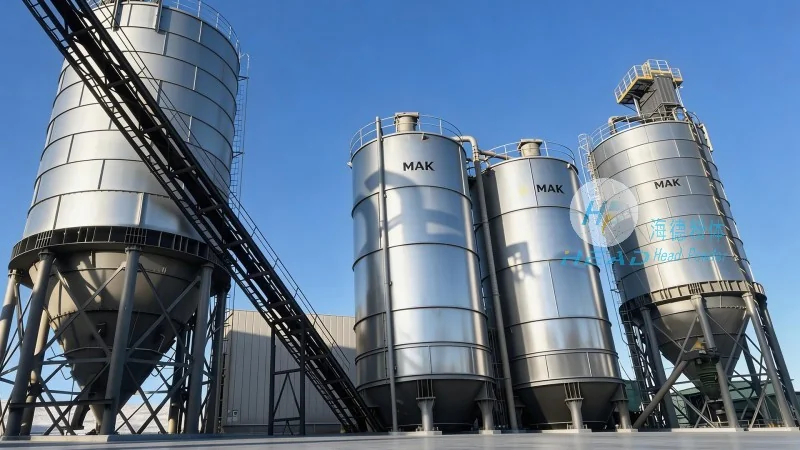
Working Principle: Mechanical and Pneumatic Conveying
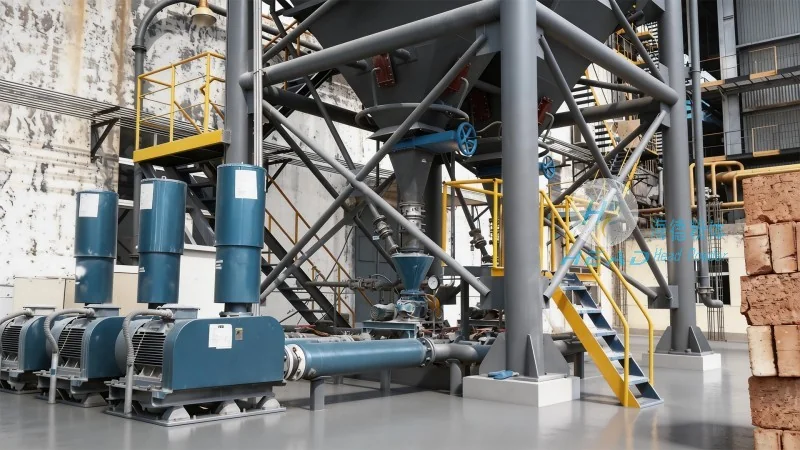
The working principle of the pyrolysis char material conveying system can be categorized into mechanical and pneumatic conveying methods, each with distinct advantages depending on the application. Mechanical conveying, commonly using screw conveyors or belt conveyors, relies on mechanical force to move material. In a screw conveyor, a rotating screw (auger) pushes char forward through a trough or pipe, providing consistent and controlled flow. This method is suitable for handling dry, free-flowing char and is relatively low in maintenance. Pneumatic conveying, on the other hand, uses air or gas to transport char as a slurry or suspended particles. A blower or compressor generates the necessary pressure, and the char is carried through a pipeline. This method is ideal for transporting char over longer distances or in environments where dust control is critical. The system may incorporate a combination of both methods, such as a mechanical conveyor for initial transport and a pneumatic system for final delivery, optimizing performance based on the specific requirements of the pyrolysis plant.
Key Features and Technical Advantages
The pyrolysis char material conveying system from Shandong HeadPowder Engineering Co., Ltd. incorporates several key features that enhance its performance and reliability. These include robust construction to withstand the abrasive nature of char, advanced control systems for precise flow regulation, and energy-efficient designs to reduce operational costs. The system is designed to handle varying char compositions and moisture levels, ensuring consistent operation even under changing process conditions. Additionally, the use of corrosion-resistant materials and wear-resistant components extends the system's lifespan and reduces maintenance requirements. The company's expertise in engineering and manufacturing ensures that each system is customized to meet the specific needs of the client, whether for small-scale or large-scale pyrolysis operations.
Conclusion and Application
In conclusion, the pyrolysis char material conveying system is a vital component in modern pyrolysis processes, enabling efficient and reliable transport of char. The operation process involves a systematic flow from reactor discharge to storage, while the working principles leverage mechanical and pneumatic technologies to optimize material handling. With its robust design and advanced features, the system from Shandong HeadPowder Engineering Co., Ltd. provides a reliable solution for industries seeking to enhance their pyrolysis operations. By understanding the operational process and working principles, users can better appreciate the importance of this system in maintaining overall plant efficiency and productivity.