

Operation Process and Working Principle of Chloroprene Rubber Powder Conveying Line
Chloroprene rubber powder conveying lines are essential systems in industrial settings, particularly for the efficient handling and transportation of chloroprene rubber powder. These lines are designed to ensure safe, reliable, and efficient material transfer, playing a crucial role in various manufacturing processes. The following sections will detail the operation process and working principles of such systems, highlighting key components and operational dynamics.
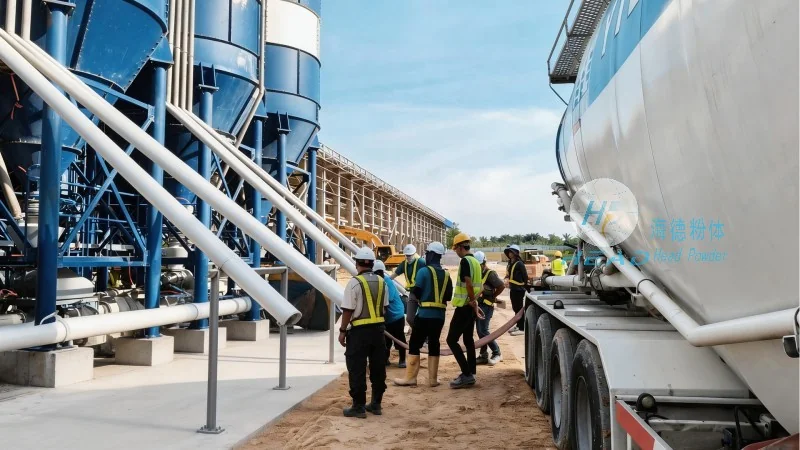
Overview of Chloroprene Rubber Powder Conveying Lines
Chloroprene rubber, also known as neoprene, is a synthetic polymer widely used in the production of rubber products due to its excellent resistance to oil, chemicals, and weathering. Powder conveying lines for this material are engineered to manage the bulk handling of chloroprene rubber powder, which is often produced as a fine powder for easier processing. The system typically consists of several interconnected components, including feeders, conveyors, control systems, and safety mechanisms, all working in tandem to achieve seamless material transport.
Key Components and Their Functions
The operation of a chloroprene rubber powder conveying line relies on a combination of specialized equipment. The primary components include:
- Pneumatic Feeders: These devices are used to feed the chloroprene rubber powder into the conveying system. They ensure a consistent and controlled flow of material, preventing blockages and maintaining uniform material distribution.
- Pneumatic Conveyors: This is the core component responsible for transporting the powder through the system. Pneumatic conveyors use air pressure to move the material, which can be either positive pressure (blowing air into the line) or negative pressure (sucking air out of the line). The choice of pressure type depends on the specific application and material characteristics.
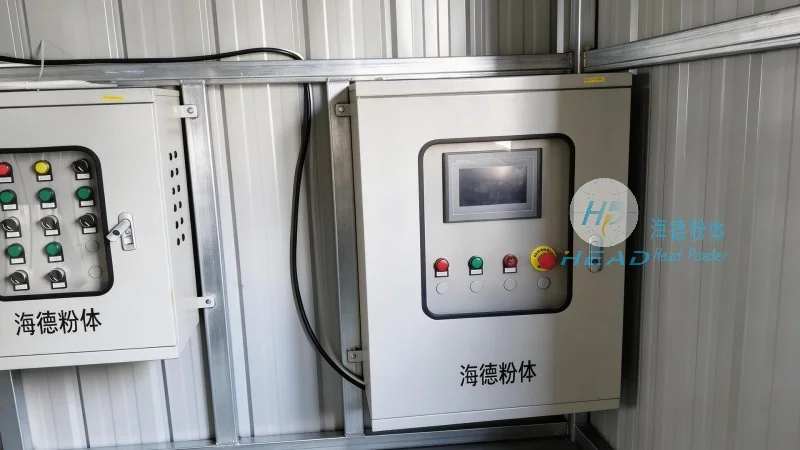
- Control Systems: Advanced control systems monitor and regulate the operation of the conveying line. These systems include sensors for material level, pressure, and flow rate, as well as control panels that allow operators to adjust parameters in real-time. This ensures optimal performance and prevents operational issues.
- Safety and Filtration Systems: To maintain material purity and ensure operator safety, the conveying line is equipped with filtration systems that remove dust and contaminants. Additionally, safety features such as pressure relief valves and emergency shut-off mechanisms are integrated to prevent accidents and protect personnel.
Working Principle of the Conveying Process
The working principle of a chloroprene rubber powder conveying line involves the controlled movement of material from the source to the destination. The process typically begins with the chloroprene rubber powder being fed into the system via a feeder. The feeder ensures that the material is introduced at a consistent rate, preventing overloading or underloading of the conveyor.
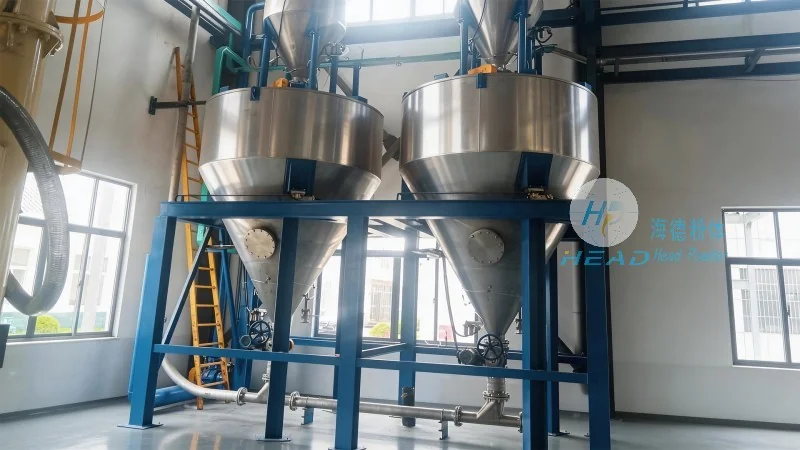
Once the powder is fed into the pneumatic conveyor, it is propelled by the air flow. In positive pressure systems, a blower or compressor generates high-pressure air that pushes the powder through the pipeline. The air and powder mixture travels through the conveyor, with the powder being carried by the air current. In negative pressure systems, a vacuum pump creates a low-pressure environment that draws the powder into the line.
The conveyor system is designed with appropriate pipe diameters and bends to accommodate the flow of the powder-air mixture. The design ensures minimal pressure loss and efficient material transport. The material is then discharged at the destination point, where it is collected in a hopper or storage tank. The control system continuously monitors the pressure and flow rates, adjusting the air supply as needed to maintain optimal performance.
Operation Process and Workflow
The operation process of a chloroprene rubber powder conveying line follows a systematic workflow to ensure efficient material handling. The process begins with the preparation of the material, where the chloroprene rubber powder is stored in a silo or hopper. The feeder then draws the material from the storage container and feeds it into the pneumatic conveyor.
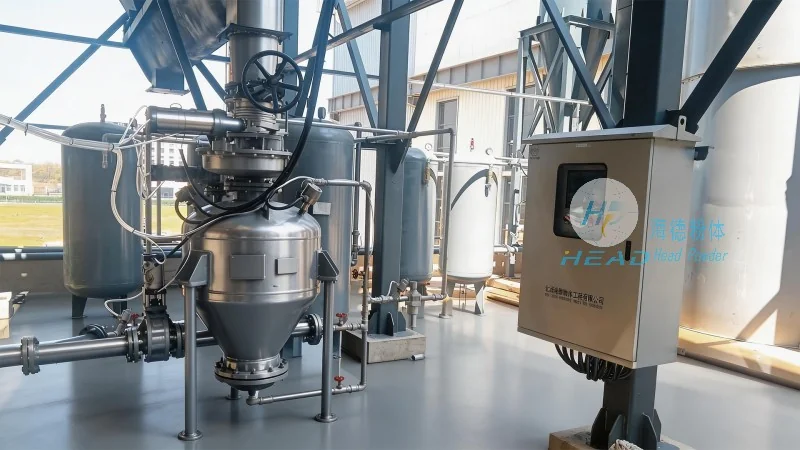
During operation, the control system continuously monitors the system parameters. If any issue arises, such as a blockage or pressure drop, the system will automatically trigger an alarm or shut down to prevent damage. The operator can then address the issue and resume operation once the problem is resolved.
The conveying line operates continuously or in batches, depending on the production requirements. In continuous operation, the system runs continuously to maintain a steady flow of material. In batch operation, the system is started and stopped as needed to transport specific quantities of material.
Maintenance and Operational Considerations
Proper maintenance is crucial for the reliable operation of a chloroprene rubber powder conveying line. Regular maintenance tasks include cleaning the system to remove dust and debris, checking the condition of the conveyor components, and inspecting the control system for any issues. The system should also be checked for leaks or pressure losses, which can affect performance.
Operational considerations include ensuring that the material is properly dried before conveying, as moisture can cause blockages and reduce the efficiency of the system. Additionally, the air pressure and flow rate should be adjusted according to the material characteristics and system design to achieve optimal performance.
Conclusion
Chloroprene rubber powder conveying lines are sophisticated systems that play a vital role in the efficient handling of chloroprene rubber powder. By understanding the operation process and working principles of these systems, manufacturers can ensure optimal performance, minimize downtime, and maintain product quality. The integration of advanced control systems and safety features further enhances the reliability and safety of these operations.