

Operation Process and Working Principle of Textile Fiber Pneumatic Conveying Machines
Textile fiber pneumatic conveying machines are essential equipment in the textile industry, designed to efficiently transport loose fibers and other fine materials through an air-driven system. These machines are widely used in various textile processing stages, including raw material handling, processing, and packaging. The operation of such systems involves a combination of mechanical and pneumatic components that work in harmony to ensure smooth and reliable material transport. Understanding the operation process and working principle is crucial for optimizing performance and maintaining efficiency in textile manufacturing operations.
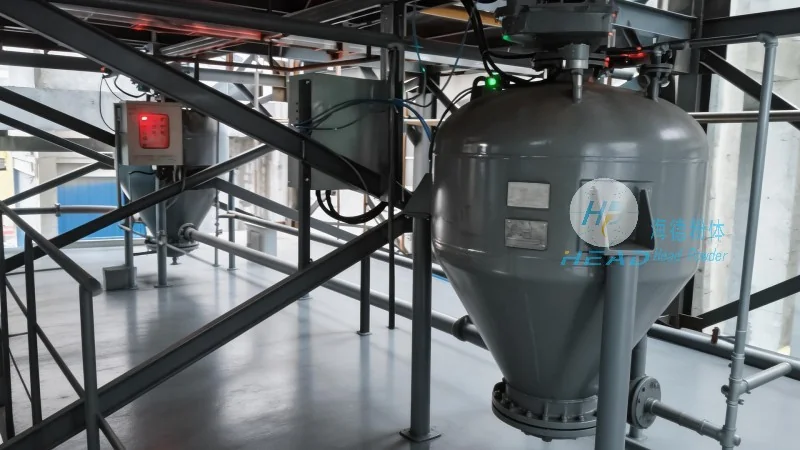
Key Components of Textile Fiber Pneumatic Conveying Systems
The textile fiber pneumatic conveying machine typically consists of several key components that work together to facilitate material transport. These components include a hopper for material storage, a conveyor line (often a flexible tube or rigid pipe), a blower or air compressor to generate the necessary airflow, a control system for regulating pressure and flow, and a discharge unit for delivering the material to its destination. Each component plays a vital role in the overall functionality of the system, ensuring that the material is transported safely and efficiently. The hopper is designed to hold the textile fibers and provide a consistent feed to the conveyor line, while the blower generates the airflow that propels the fibers through the system. The control system allows operators to adjust the pressure and flow rate as needed, adapting to different material types and processing requirements. The discharge unit then collects the transported fibers and directs them to the next stage of the production process.
Operation Process of Textile Fiber Pneumatic Conveying Machines
The operation process of a textile fiber pneumatic conveying machine begins with the loading of raw fibers into the hopper. The blower then starts, creating a low-pressure zone within the conveyor line. As the air flows through the system, it draws the fibers from the hopper and transports them along the conveyor line. The fibers are carried by the airflow, moving from the inlet to the discharge point. The speed and pressure of the airflow are carefully controlled to ensure that the fibers are transported without damage or loss. The system operates continuously, with the blower maintaining a steady airflow to keep the material moving. When the hopper is empty or the material flow needs adjustment, the control system can be used to stop the blower or adjust the airflow parameters. This flexibility allows the machine to handle varying material volumes and processing demands. The discharge unit then collects the fibers and may further process them, such as by sorting or packaging, depending on the specific application.
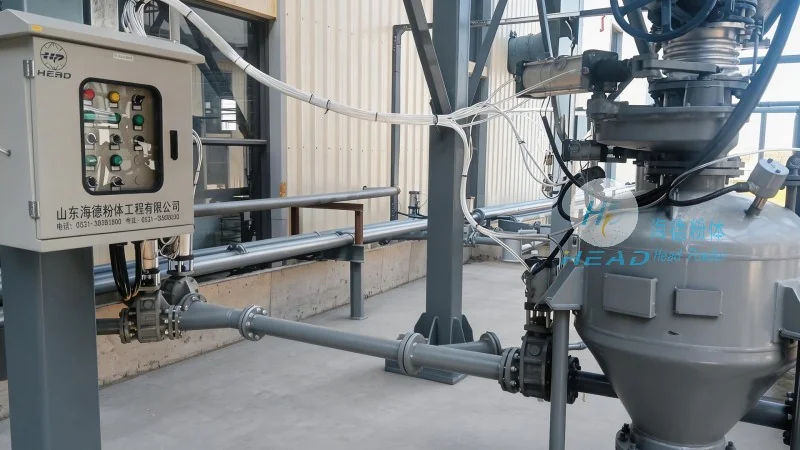
Working Principle of Pneumatic Conveying in Textile Applications
The working principle of textile fiber pneumatic conveying machines is based on the fundamental principle of fluid dynamics and air pressure. The system operates by creating a pressure differential between the inlet and outlet of the conveyor line. The blower generates a high-pressure air stream at the inlet, which creates a negative pressure (or low pressure) at the outlet. This pressure difference causes the textile fibers to be drawn into the airflow and carried along the conveyor line. The fibers are suspended in the air stream, moving as a dense phase or dilute phase, depending on the system design and operating conditions. The dense phase conveying involves a higher concentration of fibers in the air, while the dilute phase involves a lower concentration, with more air relative to the material. The choice between these phases depends on the material characteristics, such as fiber size, density, and moisture content, as well as the required transport distance and efficiency. The system's efficiency is influenced by factors like air velocity, pressure drop, and the design of the conveyor line. Proper design and maintenance of the components are essential to ensure optimal performance and minimize energy consumption.
Advantages of Using Pneumatic Conveying for Textile Fibers
Textile fiber pneumatic conveying machines offer several advantages over traditional mechanical conveying methods. One of the primary benefits is the ability to transport materials without physical contact, which helps prevent contamination and damage to the fibers. This is particularly important in the textile industry, where maintaining the quality and integrity of the fibers is critical. The system also allows for flexible and space-saving design, as the conveyor lines can be installed in various configurations, including vertical, horizontal, or a combination of both. This flexibility makes it easier to integrate the machine into existing production lines without significant modifications. Additionally, pneumatic conveying systems are relatively easy to clean and maintain, as the components are designed to be accessible and can be disassembled for inspection and cleaning. The use of air as the transport medium also reduces the risk of material buildup and blockages, which can occur with mechanical conveyors. Overall, the advantages of pneumatic conveying make it a preferred choice for many textile manufacturers looking to improve efficiency and product quality.
Applications and Industries Utilizing Textile Fiber Pneumatic Conveying Machines
Textile fiber pneumatic conveying machines are widely used in various industries and applications within the textile sector. These machines are commonly employed in the processing of raw materials, such as cotton, wool, and synthetic fibers, as well as in the handling of finished products like yarn and fabric. In the raw material handling stage, the machine is used to transport fibers from storage bins or silos to processing equipment, such as carding machines or spinning machines. This ensures a consistent and continuous supply of material to the production line. In the processing stage, the machine can be used to convey fibers between different processing units, such as from a blending machine to a carding machine or from a spinning machine to a winding machine. The flexibility of the system allows it to handle different material types and processing requirements, making it suitable for a wide range of textile applications. Additionally, the machine is used in the packaging stage to transport finished products, such as yarn or fabric rolls, from the production line to storage or shipping areas. The ability to handle both raw and finished materials makes the textile fiber pneumatic conveying machine a versatile and essential tool in modern textile manufacturing.
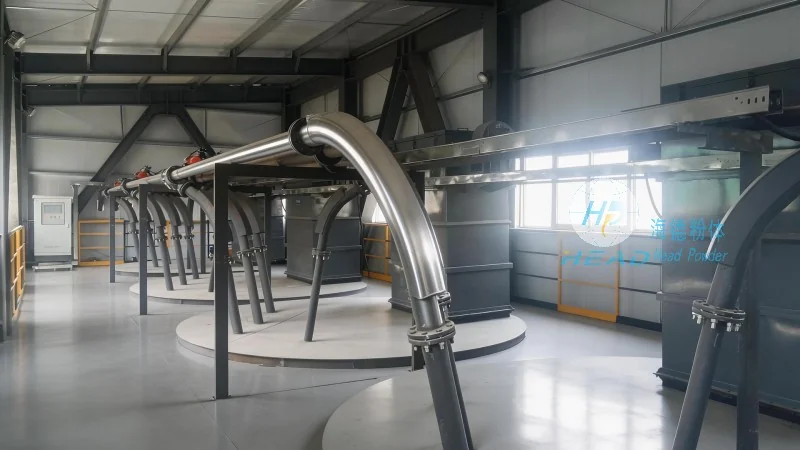
Maintenance and Operational Considerations for Textile Fiber Pneumatic Conveying Systems
Proper maintenance and operational considerations are essential to ensure the long-term performance and reliability of textile fiber pneumatic conveying systems. Regular maintenance is required to keep the components in good working condition and prevent breakdowns. This includes checking the blower for proper airflow and pressure, inspecting the conveyor lines for blockages or wear, and cleaning the hopper and discharge unit to remove accumulated material. The control system should also be checked regularly to ensure that it is functioning correctly and that the pressure and flow settings are adjusted as needed. Operators should be trained to monitor the system's performance and identify any issues early, such as changes in airflow or pressure, which may indicate a problem with the components. Additionally, the system should be operated within the recommended parameters to avoid excessive wear or damage to the components. Proper maintenance and operational practices help to extend the lifespan of the machine and reduce downtime, ensuring that it continues to operate efficiently and reliably. Regular inspections and maintenance also help to identify potential issues before they become major problems, saving time and money in the long run.
Conclusion: The Importance of Understanding Textile Fiber Pneumatic Conveying Systems
In conclusion, textile fiber pneumatic conveying machines are critical equipment in the textile industry, providing efficient and reliable transport of fibers and other fine materials. Understanding the operation process and working principle is essential for optimizing performance and maintaining efficiency in textile manufacturing operations. The system's components, operation process, and working principles work together to ensure smooth and consistent material transport, which is vital for maintaining product quality and meeting production demands. By adhering to proper maintenance and operational practices, textile manufacturers can ensure that their pneumatic conveying systems continue to operate efficiently and reliably, contributing to the overall success of their operations. The use of such systems not only improves the efficiency of material handling but also enhances the quality of the final products, making them an indispensable part of modern textile manufacturing.