

Operation Process and Working Principle of Sintering Dust Gas-Solid Pneumatic Conveying Equipment
For industrial applications involving sintering processes, the efficient handling of dust and ash is crucial for maintaining operational efficiency and environmental compliance. The sintering dust gas-solid pneumatic conveying equipment developed by Shandong HeadPowder Engineering Co., Ltd. offers a reliable solution to transport these materials with precision and minimal loss. This equipment is designed to handle the unique challenges posed by sintering dust, ensuring smooth and continuous material transport while reducing operational costs and environmental impact.
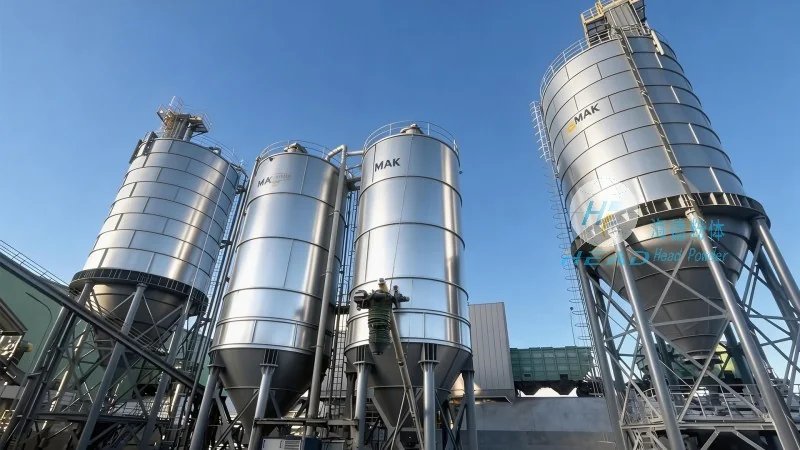
Overview of Sintering Dust Gas-Solid Pneumatic Conveying Equipment
HeadPowder's sintering dust gas-solid pneumatic conveying system is engineered to address the specific needs of sintering plants. The equipment is built with high-quality materials and advanced technology to ensure durability and long-term performance. It is designed to handle various types of sintering dust, including fine particles and heavy ash, with consistent performance. The system integrates seamlessly into existing sintering plant infrastructure, providing a cost-effective upgrade for material handling operations.
Working Principle of the Pneumatic Conveying System
The core of the sintering dust gas-solid pneumatic conveying equipment is the pneumatic transport mechanism, which uses compressed air to move solid particles through a pipeline. The process begins with the material being fed into the hopper, where it is then drawn into the conveying line by the pressure differential created by the air flow. The compressed air, typically supplied by a high-pressure blower, creates a flow that propels the dust particles forward. The system employs a combination of positive and negative pressure zones to ensure efficient and stable transport, minimizing the risk of blockages and material degradation.
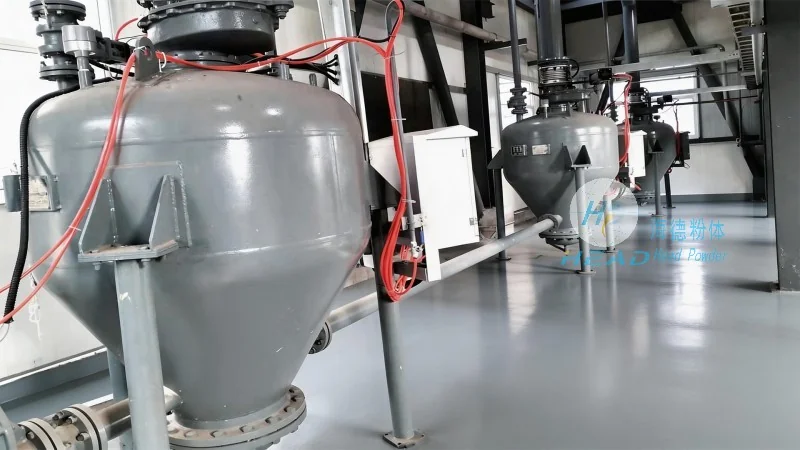
Key Components and Their Functions
The sintering dust gas-solid pneumatic conveying system consists of several critical components, each playing a vital role in the overall operation. The main components include the material hopper, air compressor, conveying pipeline, and control system. The material hopper is responsible for storing and feeding the sintering dust into the system. The air compressor generates the necessary pressure to drive the material through the pipeline. The conveying pipeline, often made of stainless steel or other corrosion-resistant materials, ensures the safe and efficient transport of the dust. The control system monitors and regulates the air pressure, flow rate, and material feed rate to maintain optimal performance.
Operation Process: Step-by-Step Guide
The operation of the sintering dust gas-solid pneumatic conveying equipment follows a systematic process to ensure smooth material transport. The steps include: 1. Preparing the system by checking the air compressor and pipeline for any obstructions or leaks. 2. Starting the air compressor to generate the required pressure. 3. Feeding the sintering dust into the hopper at a controlled rate. 4. Monitoring the pressure and flow rate to ensure the system is operating within optimal parameters. 5. Adjusting the feed rate or air pressure as needed to maintain consistent transport. 6. Shutting down the system when the material is fully conveyed to the destination. Each step is designed to minimize downtime and maximize efficiency, ensuring the system operates reliably over extended periods.
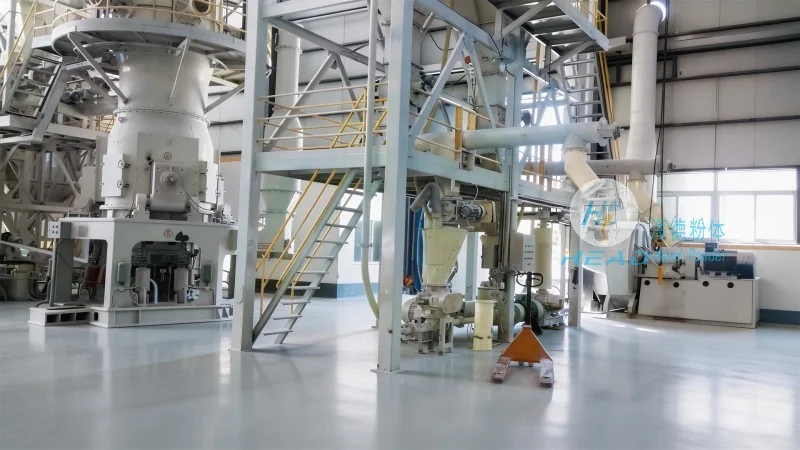
Advantages of Using Sintering Dust Gas-Solid Pneumatic Conveying Equipment
Implementing HeadPowder's sintering dust gas-solid pneumatic conveying equipment offers several advantages for industrial operations. The primary benefit is the reduction in material loss and contamination, as the system minimizes contact with external elements and reduces the risk of spillage. Additionally, the equipment enhances operational efficiency by providing continuous and automated material transport, reducing the need for manual handling and labor. The system also contributes to improved environmental performance by containing dust and preventing air pollution, aligning with regulatory requirements. Furthermore, the modular design of the equipment allows for easy integration and customization to meet specific plant requirements, ensuring a tailored solution for each application.
Maintenance and Troubleshooting Tips
To ensure the long-term reliability and performance of the sintering dust gas-solid pneumatic conveying equipment, regular maintenance is essential. Regular checks of the air compressor, pipeline, and control system are recommended to identify and address any potential issues before they escalate. Common maintenance tasks include cleaning the hopper and pipeline to prevent clogging, inspecting the air filter for blockages, and checking the pressure and flow rate sensors for accuracy. Troubleshooting is also important to address any operational issues promptly. For example, if the system experiences reduced flow or pressure, it may indicate a blockage in the pipeline or a problem with the air compressor. In such cases, the system should be shut down and inspected to identify the root cause and resolve it. Proper maintenance and troubleshooting can significantly extend the lifespan of the equipment and maintain its optimal performance.